
Why Monsoon Is Tough on Your Dog’s Skin
The core problem during the monsoon is trapped moisture. When a dog's coat remains damp in a humid environment, it creates the perfect warm, moist breeding ground for bacteria and fungi. This is why veterinarians across India see a significant spike in skin
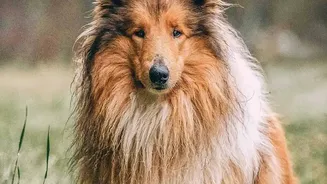
problems during the rainy season. Conditions like pyoderma, a bacterial skin infection, and fungal infections like yeast dermatitis become incredibly common. These can lead to incessant scratching, red patches, hair loss, and a persistent musty odour that goes beyond the typical “wet dog smell.” For breeds with thick double coats or skin folds, the risk is even higher as air circulation is naturally poor, trapping dampness against the skin.
A Proactive Paw Care Routine
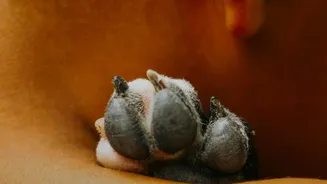
Your dog's paws are on the front line, constantly in contact with muddy, wet surfaces and puddles that can harbour bacteria. This exposure makes them highly susceptible to infections. The first and most crucial step is to clean and dry their paws after every single walk. Use a clean, absorbent towel and pay special attention to the areas between the toes, where moisture loves to hide. For long-haired breeds, keeping the fur between the paw pads trimmed short can significantly improve airflow and speed up drying time. Inspect the paws daily for any signs of redness, swelling, or irritation, and watch for excessive licking, which is often the first sign of a problem. Using a pet-safe paw balm can also help protect pads from cracking.
Mastering Monsoon Coat Management
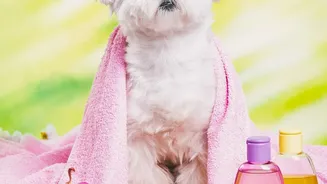
Thoroughly drying your dog's coat is non-negotiable during the monsoon. A quick towel-down is often not enough, especially for dogs with dense undercoats. While the top layer may feel dry, moisture can remain trapped underneath, creating an ideal environment for skin issues. Consider using a pet-specific dryer on a low or cool setting to ensure the undercoat is completely dry. Regular brushing is also essential. Brushing helps to remove loose fur, detangle knots that can trap moisture, and improve air circulation through the coat. Contrary to some beliefs, bathing is still necessary during the monsoon, but it must be done correctly. Use a mild antifungal or antibacterial shampoo as a preventative measure, and ensure your dog is dried completely afterward.
Red Flags: When to See a Veterinarian
While preventative care can solve most issues, it's vital to recognise when a problem requires professional help. If you notice any of the following signs, it's time to schedule a visit with your vet: persistent and intense itching, chewing, or licking of an area; circular patches of hair loss, which could indicate ringworm; red, inflamed, or crusty skin; a strong, yeasty or foul odour coming from the skin or ears; and any open sores or 'hot spots,' which are angry, raw patches of skin. Early veterinary intervention is key to treating infections like pyoderma and preventing them from becoming more severe or recurring.
Your Essential Monsoon Grooming Kit
Being prepared can make your daily routine much easier. Having a dedicated kit by your door ensures you're ready to tackle wet walks immediately. Your kit should include: highly absorbent microfibre towels for efficient drying; pet-safe antiseptic wipes for quick paw cleaning; a gentle, vet-approved paw cleaner or wash for muddier days; a good quality brush or comb suitable for your dog's coat type; and an antifungal powder to dust on paws and in skin folds after drying. For dogs with a history of skin trouble, keeping a vet-recommended medicated shampoo on hand is also a wise precaution.