
A New Culinary Conversation
Across India, a quiet and delicious revolution is unfolding on the dining tables of festive homes. This isn't about replacing the cherished recipes passed down through generations. Instead, it's a creative dialogue between the traditional and the contemporary.
Chefs and home cooks, armed with a deep love for their regional cuisines, are confidently experimenting with global ingredients and techniques. This culinary evolution stems not from a rejection of the past, but from a celebration of it. There's a growing recognition that the foundations of Indian cooking—its complex spice blends, regional specialties, and time-honoured methods—are robust enough to embrace new ideas without losing their soul. This fusion is less about changing what a dish is and more about expanding what it can be.
The Sweet Reinvention
The most vibrant experimentation is happening in the world of mithai. The classic sweet box is getting a gourmet makeover that goes far beyond just presentation. Imagine biting into a delicate Rasmalai cake, a fusion that marries the beloved Indian sweet with the concept of a Latin American tres leches cake. Or consider Gulab Jamun churros, which blend an Indian classic with a Spanish favourite. Confectioners are infusing traditional sweets with international flavours like coffee, strawberry, and dark chocolate. You might find Thandai Panna Cotta, a creamy Italian dessert reimagined with the traditional spiced Indian drink, or a rich, decadent Motichoor cheesecake. Even the humble laddoo is being transformed, sometimes coated in fine chocolate or infused with ingredients once considered entirely foreign. These creations aren't just novelties; they are thoughtfully crafted desserts that respect the original flavour profiles while offering a surprising and delightful new experience.
Savory Surprises
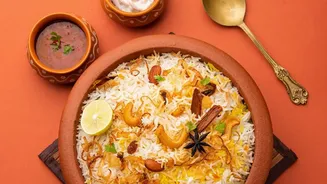
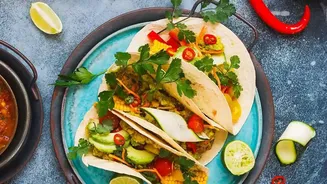
The trend extends well into the savoury courses of the festive meal. While main dishes often remain classic, appetizers and side dishes have become a playground for innovation. It's now common to find appetisers like flaky puff pastry bites filled with creamy French brie and tangy Indian mango chutney. The traditional cranberry sauce served in Western holiday meals is being reinterpreted as a spicy-sweet chutney, infused with quintessentially Indian spices like cardamom, star anise, and ginger. Elsewhere, chefs are using global grains to give classics a modern, health-conscious twist, such as creating a biryani with quinoa instead of rice. Even formats are being borrowed, leading to creative combinations like masala-spiced tacos. These dishes showcase a playful and sophisticated approach to flavour, proving that fusion can be both respectful and exciting.
A Reflection of Modern India
So, why is this happening now? The answer lies in the changing palate and perspective of a new generation. Increased global travel, access to international food media, and the visual-first nature of social media have exposed Indians to a world of culinary possibilities. Younger cooks and food entrepreneurs are keen to add their personal signature to the traditions they've inherited. They are part of a globally connected India, and their kitchens reflect that reality. This isn't about simply copying Western trends; it's about selectively borrowing elements that complement and enhance Indian flavours. It reflects a confidence in one's own culinary heritage and an eagerness to see it evolve and continue to be relevant in a contemporary context.
Tradition Remains the Anchor
For all the talk of lavender and cheesecake, it's crucial to note what isn't changing. The heart of these dishes remains firmly rooted in Indian tradition. The goal is to complement, not conquer. The best fusion creations understand that the true essence of a festive dish lies in its core spices, its cooking technique, and the memories it evokes. The smokiness of a tandoor, the fragrance of freshly ground cardamom, the tangy hit of tamarind—these are the non-negotiable elements. The global flavours are merely guests at the table, invited to enhance the celebration. A Rasmalai cake still needs to taste like Rasmalai, and a biryani made with quinoa must still deliver the aromatic complexity of a classic biryani. This balance is key, ensuring that even the most modern festive menu feels both new and nostalgically familiar.