






Step 1: Prioritise Protein
The first thing to look for when comparing snacks is the protein content. Protein is a crucial macronutrient that helps build muscle and, most importantly for snacking, promotes satiety—the feeling of fullness. A snack high in protein will keep you satisfied
for longer, preventing overeating and stabilising energy levels. Many snacks marketed as "healthy" are little more than candy bars in disguise, offering minimal protein. Aim for a snack that provides at least 5 to 10 grams of protein. Some experts suggest that 15 to 30 grams of protein per meal is an effective range for most adults, so a snack in the upper end of that 5-10 gram range can be a significant contributor to your daily needs. Anything less than 5 grams is unlikely to make a real dent in your hunger. So, before you even look at calories, flip the package over and check the protein count. A higher number here is almost always a better sign.
Step 2: Scrutinise the Sugar
Next, turn your attention to sugar. This is where many seemingly healthy snacks reveal their true nature. The key is to look specifically for "Added Sugars" on the nutrition label. Naturally occurring sugars, like those in whole fruit or milk, are less of a concern than sugars added during processing for flavour. The Dietary Guidelines for Americans recommend limiting added sugars to less than 10% of your total daily calories. For a 2,000-calorie diet, that's about 50 grams per day. For a single snack, a good rule of thumb is to choose products with less than 10 grams of added sugar. The American Heart Association suggests even stricter limits for daily intake. If sugar or one of its many aliases (like high-fructose corn syrup, cane sugar, agave, or fruit juice concentrate) is listed as one of the first few ingredients, it's a red flag that the product is essentially a dessert.
Step 3: Investigate the Ingredients
Finally, take a quick scan of the ingredients list. This provides the ultimate truth about what's in your snack. Ingredients are listed by weight, from the greatest amount to the least. If the first ingredient is a whole food like oats, nuts, seeds, or a legume, that's a great sign. If it's sugar, refined flour, or a starch, the snack is likely highly processed. A shorter ingredient list is often better. If you see a long list of items you can't pronounce, it suggests the product is ultra-processed and may contain additives and fillers that offer little nutritional value. Don't be fooled by marketing claims on the front of the box. The back of the package, where the nutrition facts and ingredients are, tells the real story of what you're about to eat.
Putting It All Together
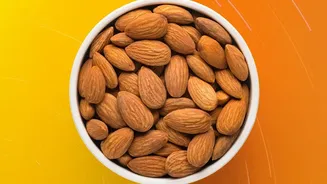
Let's imagine you're comparing two different snack bars. Bar A boasts "Low-Fat" on the front. Bar B is marketed as a "Protein Bar." Using our method, you first check protein. Bar A has 2 grams of protein, while Bar B has 12 grams. Already, Bar B is looking like the better choice to keep you full. Next, you check added sugar. Bar A, despite being low in fat, contains 18 grams of added sugar. Bar B contains 7 grams. Finally, you scan the ingredients. Bar A's first ingredient is high-fructose corn syrup, followed by refined wheat flour. Bar B's first ingredient is almonds, followed by a protein blend. The choice becomes clear. Without getting bogged down by calories or fat grams, this three-step process—focusing on high protein, low added sugar, and a whole-food-first ingredient list—quickly identifies the more nutritious option that will better serve your body and energy levels.