





More Than Just an Engineering Challenge
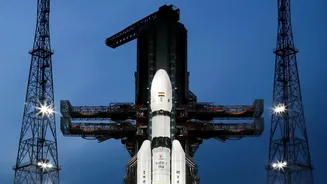
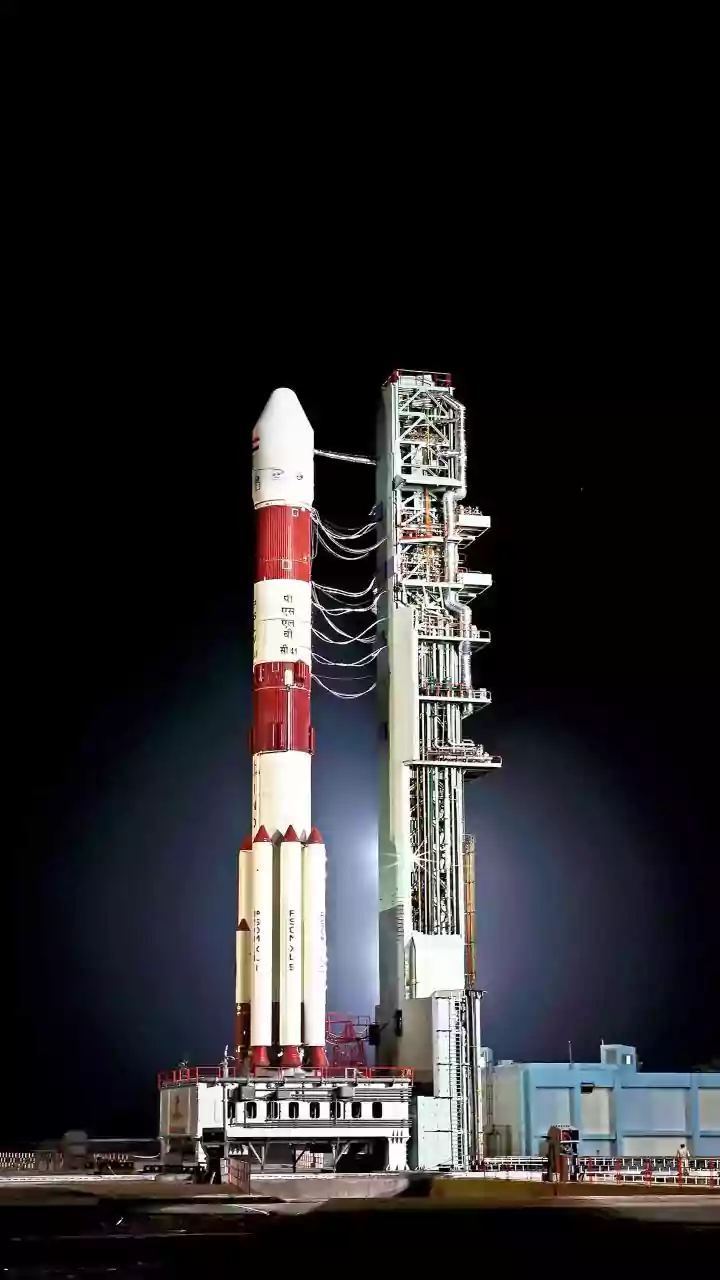
Sending humans to a 400-kilometre orbit and bringing them back safely is the core objective of the Gaganyaan mission. While this represents a monumental engineering feat, the Indian Space Research Organisation (ISRO) understands that the long-term success
of India's human spaceflight program hinges on something more: a deep and wide-ranging scientific ecosystem. It's not just about building a spacecraft; it's about understanding what happens to the human body in space, how materials behave in zero gravity, and how to create a self-sustaining presence beyond Earth. This realisation has prompted a strategic shift from a purely internal effort to a national collaboration, pulling in the brightest minds from across the country.
A Call to the Scientific Community
This strategy was on full display in mid-July 2026, when ISRO’s Human Space Flight Centre (HSFC) convened the first-ever National Workshop on Microgravity Research in Bengaluru. The event brought together over 270 delegates not just from ISRO, but from universities, private labs, startups, and other government agencies. The message, delivered by ISRO Chairman Dr. V. Narayanan, was clear: India needs to build a robust microgravity research ecosystem to unlock the full potential of its space ambitions. The workshop was designed as a bridge, connecting the agency’s needs with the nation's vast intellectual capital.
The New Frontier of Research
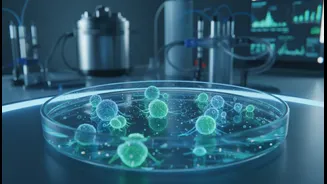
The workshop highlighted the specific domains where ISRO is actively seeking collaborators. This isn't just theoretical science; it's the practical, hands-on research essential for astronaut safety and mission success. Key areas of focus include space bio-technology, materials science, and perhaps most critically, human research and space biology. Scientists are needed to study the effects of microgravity and radiation on the human body and to develop countermeasures. This involves everything from space medicine to the psychological well-being of astronauts in isolation. The goal is to build a foundation of knowledge that not only supports the initial Gaganyaan flights but also paves the way for a future Indian space station.
Creating Career Pathways
ISRO's push is creating tangible career opportunities. Beyond the workshop, the agency has been formalising partnerships, such as its collaboration with the Sree Chitra Tirunal Institute for Medical Sciences & Technology (SCTIMST) to advance space medicine. This partnership led to the launch of India's first Postdoctoral Fellowship program in Bioastronautics, with the first session beginning in July 2026. This programme is designed to create a specialised workforce to tackle the unique health challenges of space travel. By fostering such specialised academic tracks and openly inviting participation from industry and academia, ISRO is creating structured pathways for young researchers to build careers directly contributing to India's space story.
Building a 'Gaganyaan Generation'
Ultimately, the success of Gaganyaan will be measured in two ways: the safe return of its astronauts and the strength of the scientific community it builds on the ground. By putting research careers at the centre of the narrative, ISRO is making a long-term investment. This strategy ensures that India not only becomes the fourth nation to independently send humans to space, but that it also develops a sustainable, innovation-driven space economy. The recent workshop and academic collaborations are the first steps in inspiring and training a 'Gaganyaan Generation'—a cohort of scientists and innovators who will define the future of India's journey into the cosmos.