




The Foundation of Fasting
Before diving into regional specialities, it's helpful to understand the basics of the Navratri vrat (fast). Devotees typically avoid grains like wheat and rice, lentils, onions, and garlic. Instead, the diet is built around a specific set of ingredients
considered 'sattvic' or pure. These include fruits, dairy products like milk and paneer, and certain vegetables such as potatoes, sweet potatoes, and pumpkin. A special unrefined rock salt, 'sendha namak', replaces regular table salt. The energy for the day comes from alternative flours and grains like buckwheat flour (kuttu ka atta), water chestnut flour (singhare ka atta), amaranth flour (rajgira), and barnyard millet (samak ke chawal). These ingredients form the canvas upon which each region paints its unique culinary masterpiece.
North India: Hearty and Wholesome
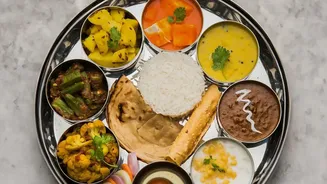
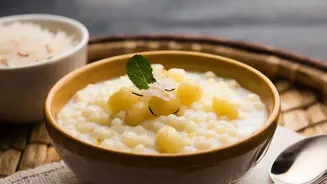
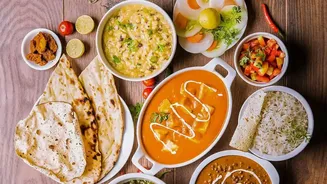
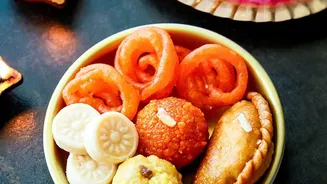
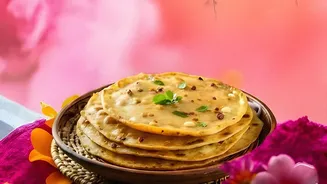
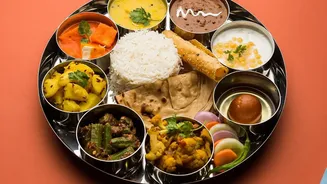
In North India, Navratri fasting is widespread, and the cuisine is known for being rich and satisfying. A classic meal often features Kuttu ki Poori, a deep-fried bread made from buckwheat flour, served with a simple yet flavourful potato curry (vrat wale aloo). Another staple is Samak ke Chawal, or barnyard millet, which is used to make dishes like khichdi and pulao, often paired with potatoes and mild spices. For snacks and sweets, you'll find Singhare ka Halwa, a dense and delicious pudding made from water chestnut flour, and crispy tikkis or cutlets made from samak rice or sabudana. Dairy plays a huge role, with paneer dishes, fruit chaats with yogurt, and refreshing lassis being very common.
West India: The Reign of Sabudana
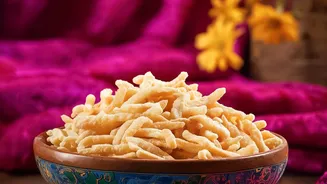
When you think of Navratri food in Western India, especially in Maharashtra and Gujarat, one ingredient immediately comes to mind: sabudana (tapioca pearls). Sabudana Khichdi, a savoury dish made with soaked tapioca pearls, roasted peanuts, potatoes, and green chillies, is a beloved fasting staple. Another popular snack is the Sabudana Vada, a crispy, deep-fried patty that is crunchy on the outside and soft on the inside. In Gujarat, you'll find a variety of 'faraali' (fasting) foods, including Rajgira Puri made from amaranth flour and faraali pattice. Maharashtrian households also prepare Sabudana Thalipeeth, a savoury pancake made with a mix of sabudana, potatoes, and peanuts.
South India: A Celebration of Sundal
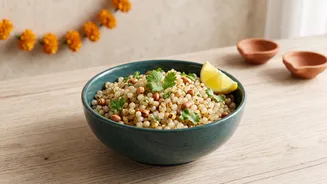
In Southern states like Tamil Nadu, Navratri is celebrated as 'Golu' or 'Kolu', where dolls are decoratively displayed. While strict fasting on all nine days is less common than in the North, food prepared during this time is always free of onion and garlic. The quintessential Navratri offering here is Sundal, a simple and healthy dish made from different legumes or lentils every day. Popular versions include chickpea sundal, black channa sundal, and peanut sundal, each tempered with mustard seeds, curry leaves, and fresh coconut. Sweet dishes like Sakkarai Pongal (made with rice, jaggery, and ghee) and various forms of Payasam (kheer) are also prepared as offerings.
East India: A Different Tradition
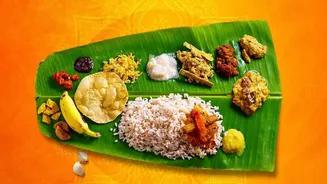
In Eastern India, particularly West Bengal, the Navratri period is a prelude to the region's biggest festival, Durga Puja. Here, the tradition is less about fasting and more about feasting to celebrate the homecoming of Goddess Durga. Many Bengali households do not observe a strict vegetarian fast and instead indulge in a variety of dishes, including fish and meat. However, a special vegetarian 'bhog' (offering) is central to the puja rituals. This typically consists of Khichuri, a comforting mix of rice and lentils, served with a mixed vegetable dish called 'labra', fried items, and a sweet tomato or mango chutney. For those who do fast, the diet is simpler, often revolving around fruits, milk-based sweets, and makhana (fox nuts).