

The Soul: Perfect Dry Garlic Chutney
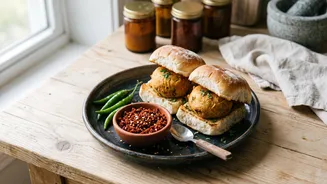
The fiery, pungent kick of dry garlic chutney, or 'lasun chutney', is what makes a Vada Pav truly iconic. This isn't a wet chutney but a coarse powder that adds a layer of intense flavour and texture. To make it, you need only a few key ingredients: garlic,
dry coconut, and red chilli powder. The secret is in the roasting. Start by dry roasting garlic cloves on a low flame until they develop light brown spots and their sharp, raw aroma mellows. Do the same with peanuts or desiccated coconut until they are fragrant and golden. Some recipes also include sesame seeds for an extra nutty dimension. Once cooled, grind these roasted ingredients together with Kashmiri red chilli powder for a vibrant colour without overwhelming heat and a pinch of salt. Be careful not to over-blend; you want a coarse, semi-moist powder, not a paste.
The Heart: The Classic Batata Vada
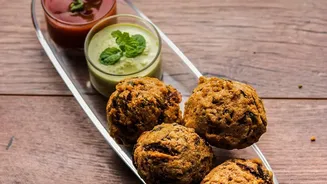
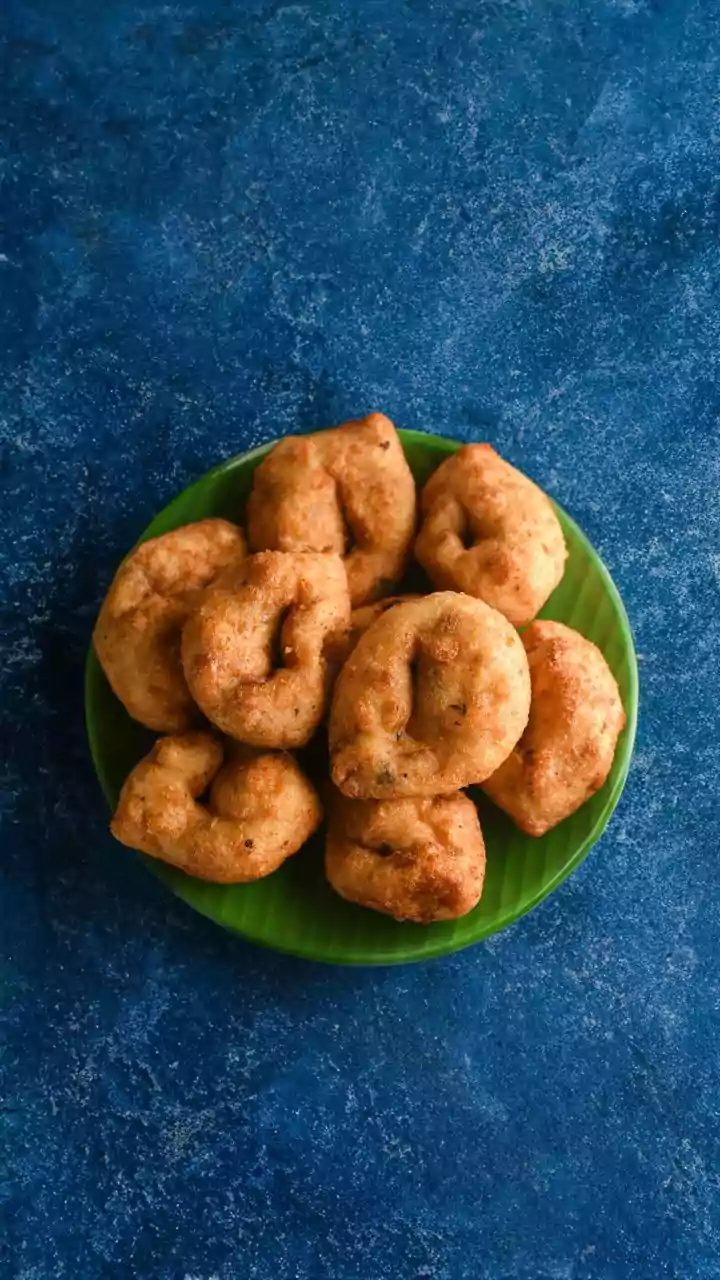
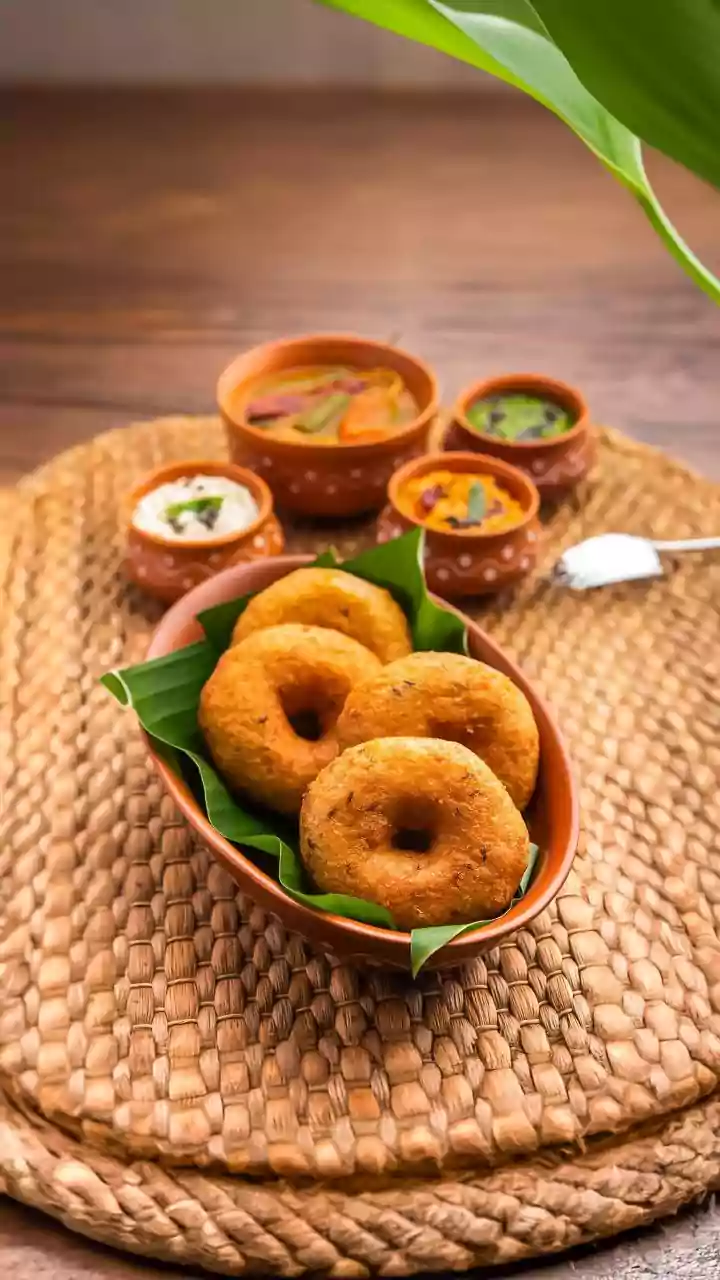
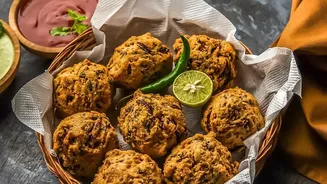
At the heart of the Vada Pav is the 'batata vada'—a spiced potato fritter. The perfect vada is fluffy on the inside with a crisp, golden-brown exterior. Start with perfectly boiled potatoes; they should be tender but not watery. Mash them coarsely, leaving a bit of texture. The flavour comes from a 'tadka' or tempering. Heat oil and add mustard seeds, letting them crackle before adding curry leaves, asafoetida (hing), and a paste of ginger, garlic, and green chillies. Sauté this until fragrant, then mix it into the mashed potatoes along with turmeric, salt, and fresh coriander. Let this mixture cool completely before shaping it into balls. The batter is a simple mix of gram flour (besan), salt, turmeric, and sometimes a pinch of baking soda for lightness. The key is a smooth, thick consistency that evenly coats the potato balls before they are deep-fried to perfection.
The Assembly: Bringing It All Together
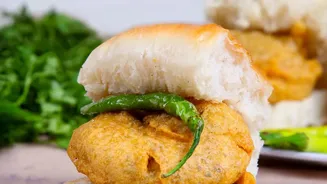
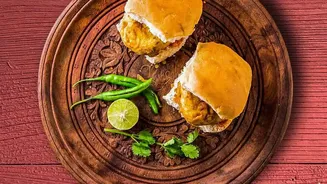
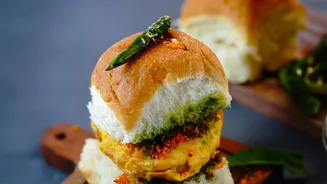
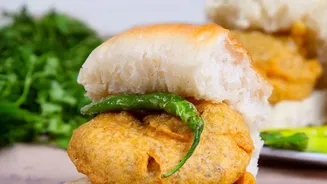
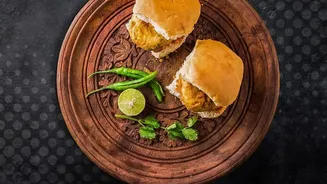
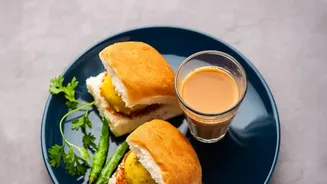
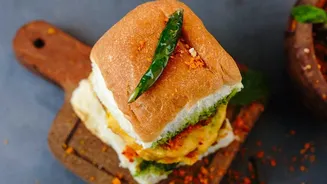
Assembling a Vada Pav is an art. You need a soft, fresh 'ladi pav' bun. Slit it almost all the way through, but leave one side hinged. The first layer of flavour is the chutneys. Generously sprinkle the dry garlic chutney inside. Many street vendors also add a vibrant green coriander-mint chutney and a sweet tamarind chutney for a trifecta of spicy, fresh, and tangy notes. Place the hot, crispy batata vada in the centre and press down gently. The classic accompaniment is a salted, fried green chilli served on the side, which you can nibble on between bites for an extra kick of heat.
Beyond the Classic: Delicious Variations
While the classic is king, Vada Pav is a fantastic canvas for creativity. The variations are endless and cater to every palate. One of the most popular modern twists is the Cheese Vada Pav, where a slice or shred of cheese is added inside the pav, melting against the hot vada to create a gooey, indulgent treat. For those who love a spicy, Indo-Chinese flavour, the Schezwan Vada Pav is a must-try. Here, fiery Schezwan sauce is slathered inside the bun, either replacing or complementing the traditional chutneys. Other inventive takes include the Paneer Vada Pav, which adds soft cubes of paneer to the filling for a creamy texture, and even an 'Ulta' or 'inverse' Vada Pav, where the pav is stuffed inside the vada's potato mixture and then fried.
Pro-Tips for Street-Style Results
To elevate your homemade Vada Pav, a few extra steps make all the difference. Always use fresh, soft pav. Lightly toasting the pav with a bit of butter on a hot pan before assembling adds a wonderful texture and flavour. When making the batter for the vada, adding a teaspoon of hot oil to the mix can result in a crispier coating. Don't be shy with the dry garlic chutney; it’s a signature flavour. And for a truly authentic experience, don't forget the fried green chillies on the side. Make a slit in them before frying to prevent them from bursting in the hot oil.