





The Rise of the AI Wellness Coach
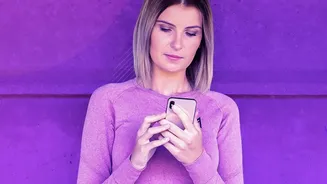
It’s hard to miss the biggest trend in wellness this year: the rise of the AI coach. These smart applications, available on our phones and wearables, promise personalised guidance for a fraction of the cost of a human expert. They track our habits, analyse
our sleep, monitor our stress levels, and offer real-time feedback to help us build better habits. For many, this has made wellness support more accessible and affordable than ever before, moving from a luxury to an everyday tool. Companies are also adopting these platforms to support employee well-being, using AI to provide daily emotional support and detect burnout before it becomes a crisis.
The Pitfall of One-Size-Fits-All Advice
The promise of AI coaching lies in hyper-personalisation, the idea that a machine can analyse your unique data to provide tailored recommendations. However, the reality often falls short. Many AI systems, trained on vast but general datasets, can end up providing advice that is factual but not personally applicable. This can range from unhelpful to outright dangerous. For instance, an AI might recommend a popular diet without knowing about an individual's specific food sensitivities, or suggest an intense workout routine to someone whose body needs rest and recovery. This happens because algorithms often miss the critical context of a person's life, medical history, and emotional state—details that a human coach would naturally consider.
The Irreplaceable Human Element
This is where the importance of human checks becomes clear. A human coach does more than just analyse data; they build relationships. They provide empathy, accountability, and the ability to read between the lines of what a person says. A human can understand the nuance in your voice, notice hesitation, and ask follow-up questions that uncover the root cause of an issue. While an AI might offer a script for dealing with stress, a human coach offers presence and helps you navigate the complex political and emotional realities of your life that an algorithm can't see. This relational intelligence is something current AI simply cannot replicate.
The Risk of Inaccurate or Biased Guidance
Beyond being generic, AI advice carries the risk of being plain wrong. AI models can 'hallucinate'—presenting incorrect information with complete confidence. They can also amplify misinformation found online or reflect biases present in their training data, leading to recommendations that may not be fair or appropriate for everyone. For example, an AI trained predominantly on data from one demographic might misinterpret signs of depression in someone from a different cultural background. Without a qualified professional to vet these suggestions, users may be led to self-misdiagnose or follow unsafe advice, delaying necessary care from a licensed provider.
The Future: A Hybrid Approach
The most effective and responsible future for wellness coaching doesn't involve choosing between AI and humans, but blending them. This 'human-in-the-loop' model uses AI for what it does best: tracking data, identifying patterns, and handling routine tasks. This frees up human coaches to focus on what they do best: providing empathy, strategic guidance, and deep, transformational support. In this model, the AI acts as a powerful assistant, surfacing insights that a human expert then interprets, contextualises, and delivers to the client in a safe and personalised way. It combines the scale and efficiency of technology with the irreplaceable judgment and connection of a human professional.