





The Search for Something Real
A growing number of travellers are swapping crowded main towns for smaller, lesser-known destinations. The motivation is simple: a desire for more authentic, or 'grounded', experiences. Instead of ticking off viewpoints from a checklist, this kind of travel is about
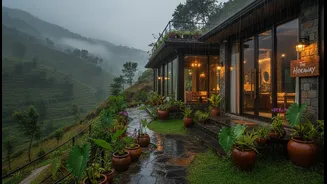
slowing down, connecting with local communities, and understanding a place on a deeper level. This shift is powered by a rejection of over-tourism and a craving for genuine cultural immersion. Travellers are increasingly seeking experiences that feel personal and unique, something the region's smaller towns are perfectly positioned to offer. The rise of community-led tourism and homestays has been pivotal, allowing visitors to stay with local families, share meals, and experience daily life firsthand.
Arunachal's Valleys: Mechuka and Ziro
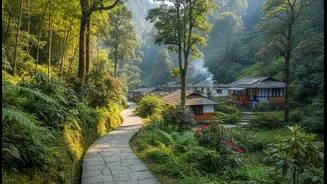
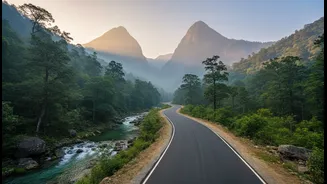
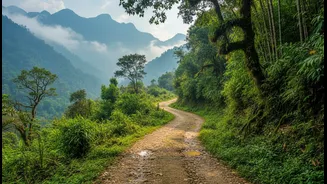
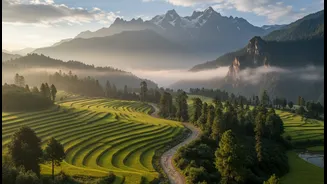
In Arunachal Pradesh, remote valleys like Mechuka and Ziro are emerging as prime examples of this trend. Mechuka, often called the 'Forbidden Valley', was largely isolated until motorable roads made it accessible. Situated near the Indo-Tibet border, it offers stunning Himalayan landscapes, traditional Memba tribal villages, and the serene 400-year-old Samten Yongcha Monastery. Ziro Valley, a UNESCO World Heritage Site contender, is famous for its unique Apatani cultural landscape, where rice and fish are farmed together in harmony with nature. Here, the experience is less about luxury resorts and more about staying in bamboo huts, exploring villages, and attending the vibrant Ziro Music Festival.
Nagaland's Heart: Beyond the Hornbill Festival
While the Hornbill Festival puts Nagaland on the global map, towns like Mokokchung offer a quieter, year-round window into Naga culture. Known as the cultural and intellectual hub of the Ao Naga tribe, Mokokchung is a place of misty hills and living traditions. Visitors can explore ancient villages like Ungma, considered a living museum, and Mopungchuket, renowned for its cleanliness and wood carvings. The experience here is about interacting with villagers, learning about the history of the Ao people at the District Museum, and witnessing a way of life that balances tradition with modernity.
Tripura's Treasure: The Enigma of Unakoti
Tripura, often overlooked on the North-East circuit, holds one of India's most astonishing archaeological sites: Unakoti. Meaning 'one less than a crore', it is an ancient Shaivite pilgrimage site featuring giant rock-cut sculptures and carvings scattered across a forested hill. The centerpiece is the massive 30-foot head of Lord Shiva. Unlike a typical monument, Unakoti is an open-air gallery shrouded in myth and natural beauty. A visit here, especially during the annual Ashokastami Mela in April, offers a unique blend of spirituality, history, and raw nature, far from the commercial tourist trail. Accessibility has improved, with the nearest transport hubs being Dharmanagar and Kumarghat.
The Power of Homestays
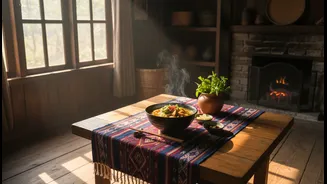
Underpinning this entire shift is the homestay revolution. Across the North-East, state governments and local communities are championing homestays as a sustainable tourism model. Meghalaya, for instance, has launched ambitious schemes to add thousands of new homestays, empowering local families and ensuring tourism revenue is distributed more equitably. These homestays do more than just provide a bed; they offer a direct connection to the local culture. A survey found that a vast majority of Indian travellers prefer accommodations that connect them to the local community, a need that homestays perfectly fulfil. This model allows travellers to enjoy home-cooked meals, hear local stories, and gain insights that no hotel could ever provide.