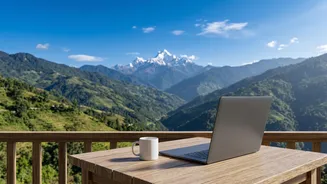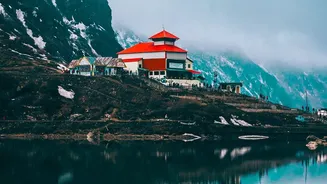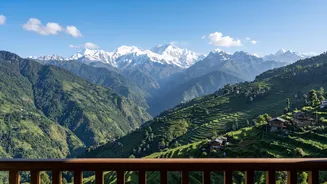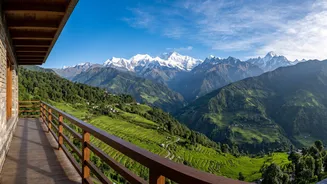



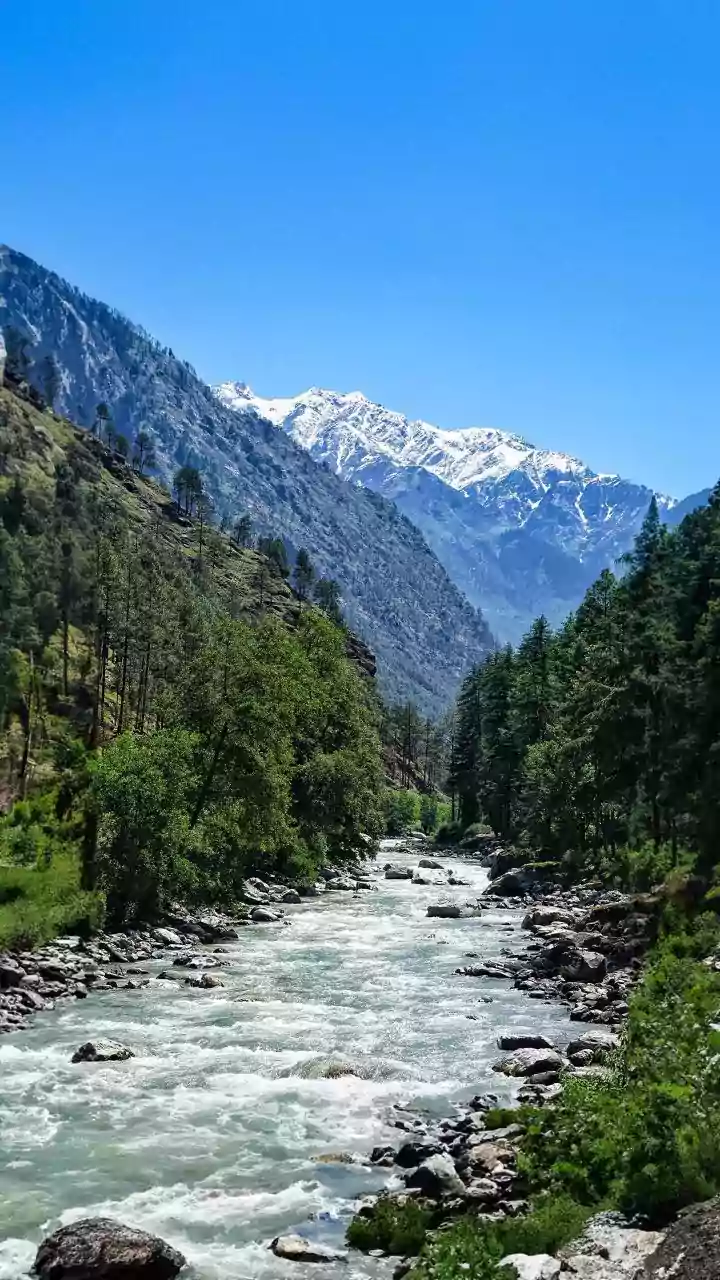

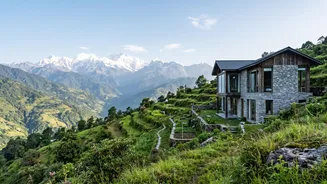
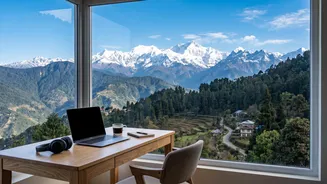
The New Corner Office: A Himalayan View
The 'work from mountains' phenomenon, born out of a pandemic-era necessity, has evolved into a deliberate lifestyle choice for many in India's tech sector. Professionals are discovering that a change of scenery does more than just offer a pretty background
for video calls. Swapping the concrete jungle for the green hills of Sikkim is proving to be a powerful antidote to burnout. The appeal lies in a potent combination of mental health benefits, cost savings, and a renewed sense of focus. Homestays in villages like Yakten, which has been developed as India's first official Digital Nomad Village, are becoming popular hubs. These places offer a unique blend of quiet, rural life with the infrastructure needed for a modern, connected career, providing a workspace that inspires creativity and calm.
The Productivity Dividend of Nature
The persistent hum of the city can be a major drain on focus. In contrast, the tranquil environment of the Himalayas offers fewer distractions and a natural boost to cognitive performance. Research has shown that exposure to nature can reduce stress, improve mood, and enhance concentration. Spending even 20 minutes in a natural setting can lower heart rate and blood pressure, creating a state of calm similar to meditation. This 'biophilia'—our innate connection to the natural world—translates into tangible workplace benefits. Tech workers report that the crisp mountain air and panoramic views help them think more clearly, solve complex problems, and regain focus, leading to a more productive workday without the fatigue of city living.
Decoding the Affordability Factor
One of the most compelling reasons for the move is the significant reduction in living costs. Compared to major tech hubs like Bengaluru or Mumbai, Sikkim offers a much more affordable lifestyle. A one-bedroom apartment in a city centre in Sikkim can cost as little as a fraction of its metropolitan equivalent. Data suggests that monthly costs for a single person, including rent, are significantly lower than in major Indian cities. Homestays often provide long-stay packages that include meals, further simplifying expenses. For instance, some homestays offer rooms for as low as ₹1,200 to ₹1,500 per night, with even better deals for monthly stays. This financial relief allows workers to save more, invest in personal projects, or simply enjoy a higher quality of life without the constant pressure of high urban expenses.
Staying Connected: The Wi-Fi Question
The viability of a Himalayan work setup hinges on one crucial factor: internet connectivity. In the past, this was a major obstacle, but significant infrastructure improvements have changed the game. Recognizing the potential of 'work from mountains' tourism, there has been a concerted effort to bring high-speed internet to remote areas. Initiatives like 'Nomad Sikkim' in villages such as Yakten ensure that homestays are equipped with reliable high-speed Wi-Fi and power backups, promising minimal downtime for professionals. While challenges can still exist in more remote areas, many homestays now specifically advertise their work-friendly credentials, including dedicated Wi-Fi zones and stable broadband connections, making it possible to handle video conferences and large file transfers from a mountain perch.
Life Beyond the Laptop
The workday is only half the story. The true value of relocating to Sikkim lies in the work-life integration it offers. After logging off, professionals can step out into a world of adventure. Weekend treks, exploring local monasteries, learning about unique Sikkimese culture, and enjoying organic, farm-to-table meals are all part of the experience. The local homestay model, often run by families, provides a deep cultural immersion that a hotel stay could never match. This lifestyle encourages a healthier rhythm—waking up to mountain views, taking breaks for a walk in nature, and spending evenings under starlit skies. It's a holistic upgrade that benefits both personal well-being and professional output.
Making the Move: A Practical Guide
For those inspired to trade their city commute for a mountain trail, the first step is research. Websites and social media groups dedicated to travel and workations in Sikkim are valuable resources for finding suitable homestays. It is crucial to inquire specifically about internet speed and power backup facilities. When packing, think layers, as the weather can change quickly. It is also wise to carry any specific medications and a basic first-aid kit. Upon arrival, setting a firm routine can help maintain productivity. Designate a specific workspace, set clear work hours, and schedule time for outdoor activities. Integrating with the local community by being respectful of their customs will enrich the experience and make the transition from tourist to temporary resident a smooth and rewarding one.