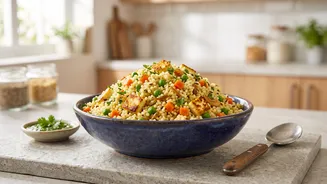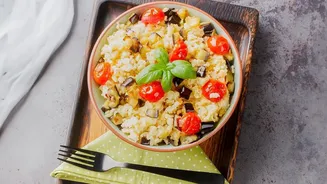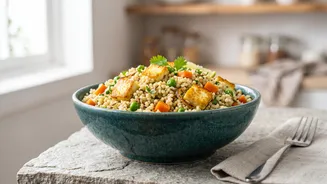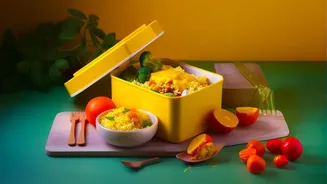


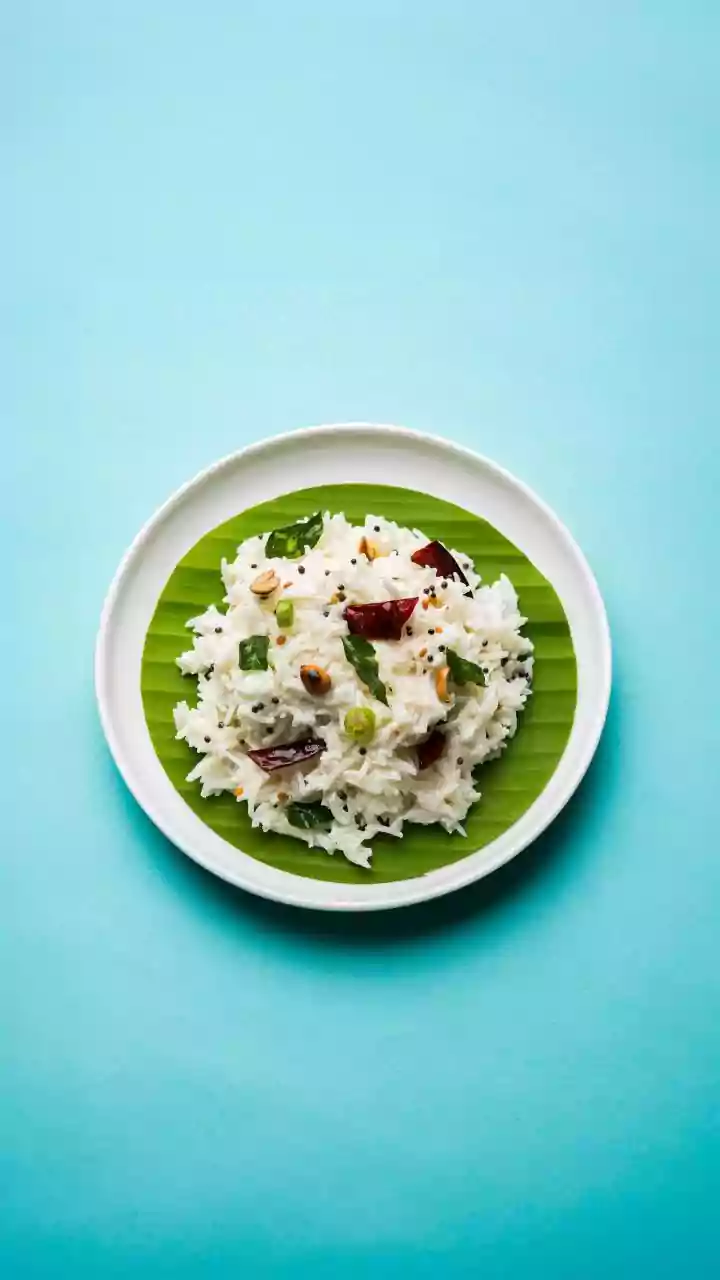

Stuck in a lunchtime rut of plain rice dishes? If you're looking for a simple switch that packs a punch in both flavour and nutrition, it's time to explore the humble millet and its power to transform your meal into a balanced, vibrant pulao.
Why Millets Are a Smart Lunch Swap
For centuries,
millets were a staple in Indian households before polished white rice became commonplace. These ancient grains are now making a well-deserved comeback, and for good reason. Compared to white rice, millets are nutritional powerhouses. They are significantly higher in dietary fibre, protein, and essential minerals like iron and magnesium. This superior nutritional profile means a meal built around millets can offer more sustained energy and keep you feeling full longer, helping you avoid that dreaded post-lunch slump. The high fibre content aids digestion, while the protein contributes to a more balanced macronutrient profile for your midday meal.
The Balanced Lunch Advantage
A 'balanced lunch' is one that provides steady energy without causing sharp spikes and crashes in blood sugar. This is where millets truly shine. Most millets have a lower glycemic index (GI) compared to white rice, meaning they release sugar into the bloodstream more slowly. This helps in maintaining stable energy levels throughout the afternoon. Furthermore, millets are naturally gluten-free, making them an excellent and inclusive option for families and individuals with gluten sensitivity or celiac disease. By swapping rice for millet in a pulao, you are not just changing the grain; you are upgrading the entire meal's nutritional value, creating a dish that is more satisfying and beneficial for your overall well-being.
Choosing and Cooking Your Millet
The term 'millet' refers to a group of grains, not just one. For a pulao that mimics the texture of rice, the 'small millets' are your best bet. Varieties like Foxtail millet (Kangni), Little millet (Kutki), and Kodo millet (Varagu) are excellent choices because their grains tend to stay separate and fluffy when cooked properly. The key to a non-sticky millet pulao lies in the preparation. Always rinse the millets thoroughly. Some, like Kodo, may require a brief soaking period of about 30 minutes, which also helps with digestion. A general rule for cooking is to use a 1:2 ratio of millet to water. Sautéing the drained millet for a minute in the pan before adding water can also help ensure the grains remain distinct and fluffy.
A Blueprint for the Perfect Millet Pulao
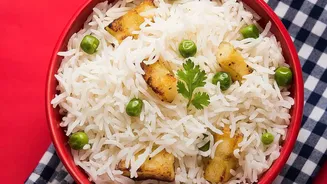
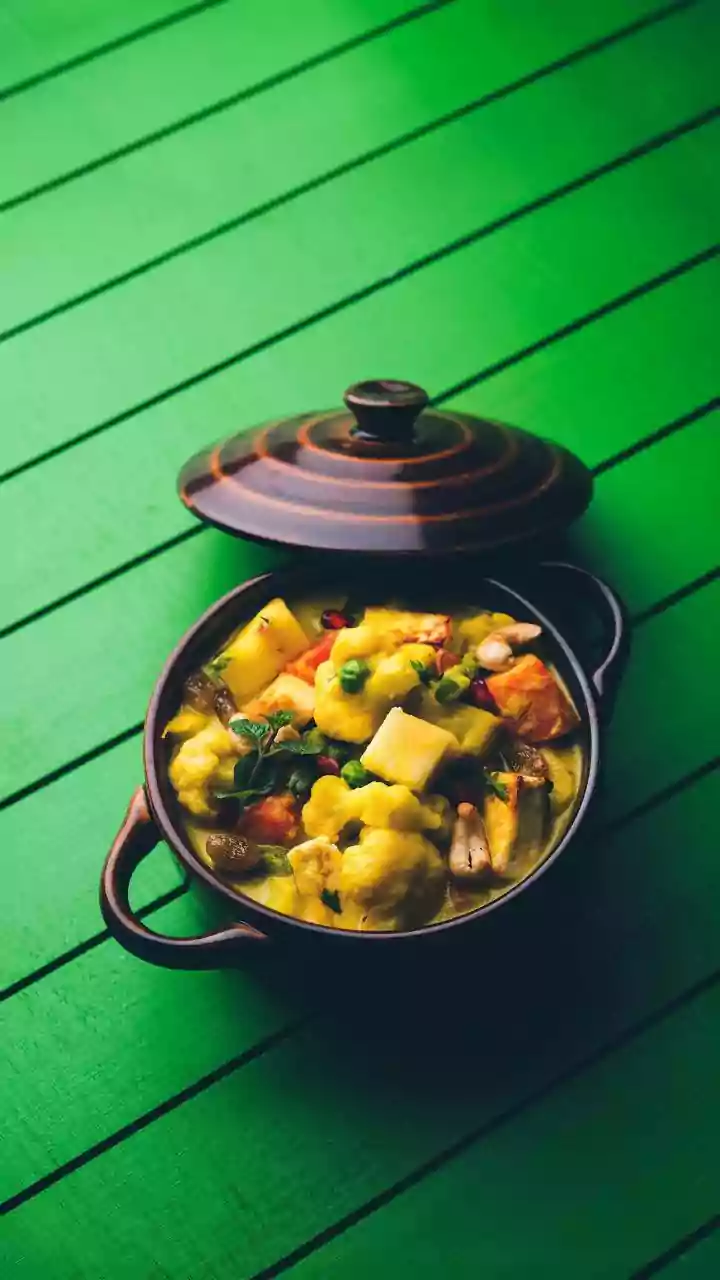
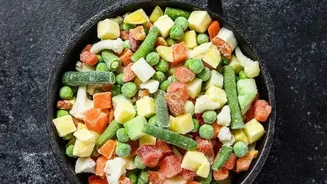
Making millet pulao is just as easy as making its rice_based counterpart. Think of it as a simple, flavourful template you can adapt. Start by heating ghee or oil in a pressure cooker or heavy_bottomed pan. Temper whole spices like cinnamon, cloves, bay leaves, and cumin seeds until fragrant. Sauté aromatics like sliced onions, ginger_garlic paste, and green chillies until the onions turn golden. This is the foundation of your flavour. Next, add your choice of chopped vegetables—carrots, beans, peas, and bell peppers all work wonderfully, adding colour, nutrients, and texture. For a more protein_rich meal, consider adding paneer cubes, chickpeas, or even soya chunks. Stir everything together before adding the rinsed and drained millet, followed by water and salt. Cook on a low flame until the water is absorbed, then let it rest for a few minutes before fluffing with a fork. Garnish with fresh coriander, and your balanced, delicious lunch is ready to serve.