
The Plant-Based Iron Problem
Iron is a crucial mineral responsible for transporting oxygen in your blood and giving you energy. But not all iron is created equal. The iron found in animal products, known as heme iron, is easily absorbed by the body. Plant-based foods like legumes,
grains, and leafy greens contain what is called non-heme iron, which our bodies find much trickier to absorb. It is estimated that those on a vegetarian or vegan diet may absorb only 5-12% of the iron they consume, compared to 14-17% in a typical Western diet. This can make it challenging for those relying on plants to meet their daily needs, potentially leading to fatigue and iron deficiency.
Vitamin C: The Absorption Supercharger
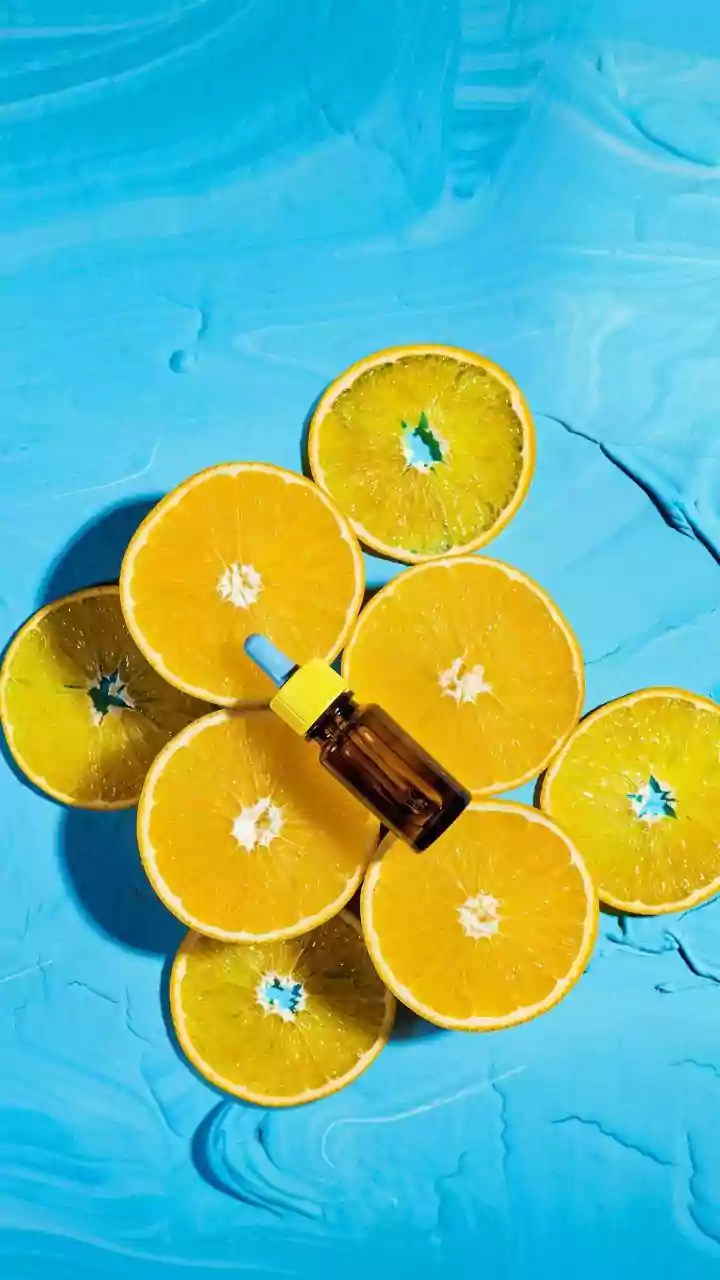
This is where vitamin C, also known as ascorbic acid, comes to the rescue. Decades of research have confirmed that vitamin C is the most potent enhancer of non-heme iron absorption. The science is straightforward: plant-based iron is typically in a form called ferric iron (Fe3+). Vitamin C acts as a reducing agent, converting this iron into the more soluble and absorbable ferrous form (Fe2+). Consuming vitamin C in the same meal as your iron source can increase absorption several times over. While the headline's claim of 'doubling instantly' is dramatic, some studies show that as little as 25-100mg of vitamin C can increase iron absorption by as much as four times, depending on the meal. It effectively unlocks the iron that's already in your food, making it available for your body to use.
Your Power-Pairing Playbook
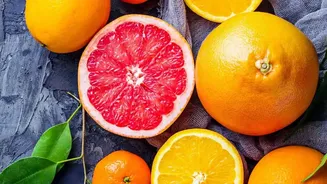
Putting this knowledge into practice is simple and delicious. The key is to combine a food high in non-heme iron with a food high in vitamin C in the same meal. While citrus fruits and leafy vegetables are a classic combination, the possibilities are endless. Think beyond oranges and spinach and try these powerful pairings: Lentils and Bell Peppers: A hearty lentil soup or curry becomes an iron-boosting powerhouse with the addition of diced red or yellow bell peppers, which are packed with vitamin C. Tofu and Broccoli: A classic stir-fry combination for a reason. Broccoli is not only a good source of vitamin C but also contains some iron itself. Oatmeal and Strawberries: Start your day with an iron-rich bowl of oatmeal topped with fresh strawberries for a significant vitamin C boost. Chickpeas and Lemon Juice: Drizzling lemon juice over your hummus or chickpea salad is a quick and easy way to enhance iron uptake. Pumpkin Seeds and Tomatoes: Snack on pumpkin seeds, an excellent source of iron, and pair them with cherry tomatoes for a nutrient-dense combination.
Foods That Hinder Iron Absorption
Just as some foods help, others can hinder iron absorption. Compounds known as inhibitors can bind to non-heme iron and block its uptake. It's wise to consume these separately from your iron-rich meals. The main culprits include: Tannins in Tea and Coffee: These polyphenols can reduce iron absorption by up to 90%. Try to enjoy your tea or coffee at least an hour before or after your iron-focused meal. Calcium-Rich Foods: Calcium competes with iron for absorption. This includes dairy products like milk and cheese, as well as fortified plant milks. Phytates: Found in whole grains, legumes, nuts, and seeds, phytates can bind to iron. While these foods are healthy and often rich in iron themselves, the enhancing effect of vitamin C can help counteract the inhibitory effect of phytates.