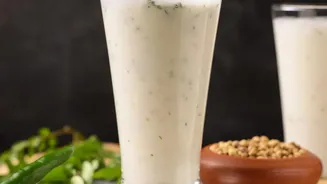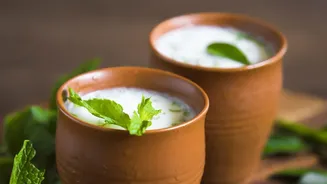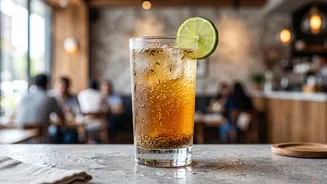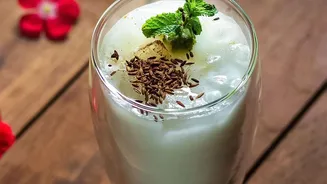





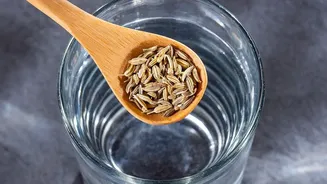
For decades, the choice of a cold drink in India was a simple one, usually between two global cola giants. But a fizzing revolution is underway, powered by a flavour that has been in Indian kitchens for centuries: jeera, or cumin.
The Rise of the Desi Fizz
A significant shift is
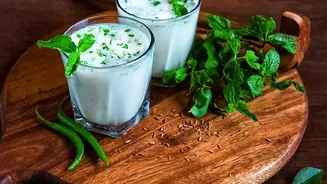
bubbling up in India's non-alcoholic beverage market, valued at over $32 billion. Homegrown brands offering fizzy, spiced drinks, particularly jeera (cumin) soda, are capturing a rapidly growing slice of consumer attention. Brands like Lahori Zeera, Bindu Jeera, and Xotik Frujus' Jeeru are moving from regional strongholds to national challengers. This isn't a story of a single upstart, but a category-wide surge. Lahori Zeera, launched in 2017 from a kitchen experiment, is now a major player expected to generate revenues of up to $120 million this year alone. Meanwhile, Bindu, a player for nearly 25 years, has seen the contribution of its jeera drink to company revenue double to 40% in just the last five years, a testament to the flavour's soaring popularity.
A Thirst for Familiar Flavours
So, what’s driving this change? It’s a powerful blend of taste, nostalgia, and a renewed preference for local products. Consumers are increasingly seeking flavours that feel authentic and familiar, a departure from the Western tastes that have long dominated the market. The spicy, tangy profile of jeera soda is a classic taste, reminiscent of homemade digestive drinks and street-side refreshments. This trend is also tied to a broader shift towards wellness; many consumers perceive beverages with traditional Indian spices as healthier alternatives to sugary colas. Some brands are even launching zero-sugar versions to cater to this growing health-conscious demographic.
Shaking Up the Duopoly
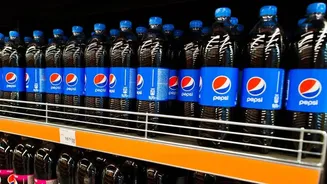
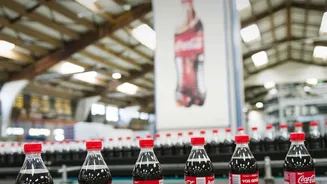
The impact on the long-standing duopoly of Coca-Cola and PepsiCo is becoming noticeable. Recent reports indicate that the combined market share of smaller, ethnic beverage brands has doubled to around 15%, while the share of the two cola giants has slipped from approximately 93% to 85%. While the giants still command a vast majority of the market, this is the first time in years they are facing such a serious challenge. The disruption is most pronounced in the high-volume Rs 10 price segment, which has been a key battleground for winning over mass-market consumers across the country.
How the Giants Are Responding
The cola behemoths are not standing still. They are responding by ramping up their own ethnic flavour offerings and competing more aggressively on price. Coca-Cola, which acquired the jeera brand Rimzim in the 1990s, has reportedly doubled its production to tap into the trend. Both Coca-Cola and PepsiCo have also introduced new Rs 10 packs for their flagship brands like Coke, Thums Up, and Pepsi to directly counter the value proposition offered by the likes of Lahori Zeera. Furthermore, established Indian companies like Parle Agro and Reliance Consumer Products (with its revived Campa brand) are also launching their own jeera variants, making the category more competitive than ever.
The Road Ahead
The journey for these homegrown brands is not without challenges. Rising costs for raw materials like sugar and packaging put pressure on their low-price model, which has been crucial to their success. Competing with the enormous distribution networks and marketing budgets of multinational corporations remains a formidable task. However, the demand for jeera soda is so high that some producers report being unable to keep up, even after doubling production capacity. The success of Lahori Zeera, which built its empire by focusing on underserved Tier III and Tier IV markets, shows a path forward. These brands have proven that a product rooted in Indian tradition can create not just a customer base, but a loyal community.