


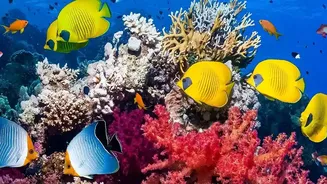
Why Now? Protecting an Underwater Paradise
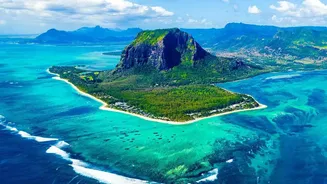
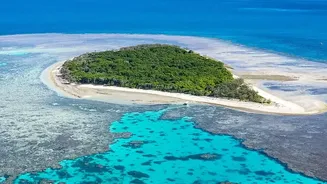
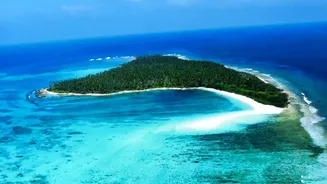
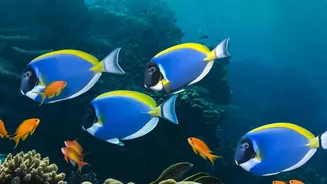
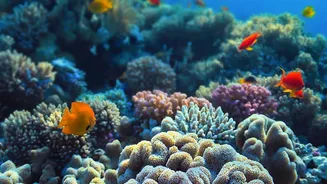
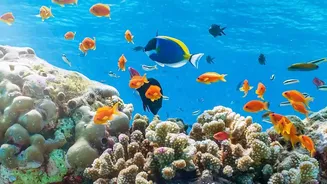
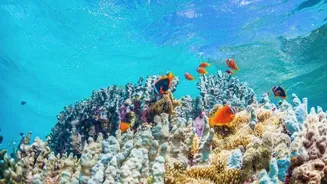
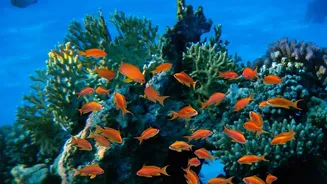
Lakshadweep is more than just a beautiful destination; it's a fragile, living ecosystem. The archipelago's 36 coral atolls are home to some of the most pristine marine biodiversity in the country. In recent years, interest in the islands has surged, with
simplified entry permits making it easier for tourists to visit. While this boom is a welcome development for the local economy, it also places immense pressure on the very environment that draws visitors in the first place. The coral reefs, which take centuries to grow, are particularly vulnerable to damage from anchors, careless fins, and even the chemical compounds in sunscreen. A single misstep can destroy years of coral growth. Recognising this, the administration has moved to introduce a more structured and conservation-focused approach to water sports.
What Are the New Standardised Rules?
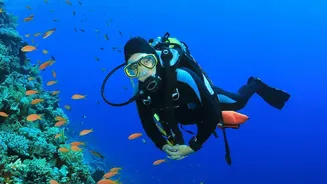
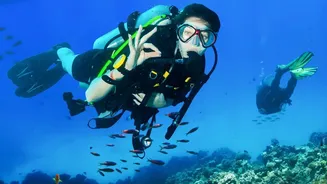
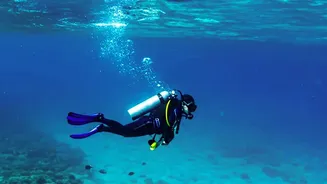
While there isn't a single new law book, the "Sustainable Island Protocols" represent a formalisation and standardisation of best practices for all marine tourism. For scuba and snorkelling operators and tourists, this means a clearer, stricter set of rules designed for maximum conservation. Key measures include mandatory pre-dive briefings focused on marine ecology and responsible behaviour. Every participant will be educated on the 'no-touch' policy for corals and marine life. The protocols also mandate specific guide-to-diver ratios to ensure close supervision. Furthermore, all dive operators must be registered and employ certified divemasters and instructors, ensuring a high level of professionalism and safety. This shift is less about introducing brand-new ideas and more about ensuring that proven conservation methods are universally applied and enforced across all the islands open to tourism.
What This Means for Your Trip
For the average tourist planning a trip to paradise, these new standards are overwhelmingly positive. Firstly, they enhance safety. With stricter checks on equipment, certified guides, and clear emergency action plans, you can be more confident in the quality of the operation you choose. Secondly, it guarantees a better experience. These rules are designed to preserve the vibrant beauty of the reefs. By preventing damage, the protocols ensure that the underwater world you travel to see remains as spectacular as the photos. You can enjoy your dive or snorkel with the peace of mind that comes from knowing your presence is not harming the delicate environment. Tourists will be expected to play their part by choosing only licensed operators and consciously following the conservation guidelines provided during briefings.
Raising the Bar for Tour Operators
Local and national tour operators are at the heart of this new framework. The standardised protocols require them to invest in certified training for their staff, maintain their equipment to a high standard, and carry adequate insurance. They will be held accountable for the actions of their clients in the water. This professionalisation helps level the playing field, weeding out casual operators who may cut corners on safety or environmental responsibility. While it may mean increased operational costs in the short term, the long-term benefit is a more sustainable and reputable tourism industry. By adhering to these green safeguards, operators become active partners in conservation, helping to secure the future of their own livelihood and the natural resources it depends on.
A Blueprint for Sustainable Tourism
These marine-specific protocols are part of a much larger vision for Lakshadweep. The administration has been actively promoting eco-tourism through initiatives like plastic bans and controlled, environmentally responsible development. The National Green Tribunal has also reinforced the need for all tourism projects to adhere to strict green safeguards. By standardising the rules for its most popular tourist activities, Lakshadweep is not just protecting its reefs; it's cementing its brand as a world-class destination for responsible travellers. This approach balances economic growth with ecological preservation, creating a model that other sensitive destinations in India and around the world can look to for inspiration.