



More Than Just a Drink
To call Kadha a mere 'drink' would be a disservice. It’s a feeling, a memory, and a tradition passed down through generations. It’s the taste of a grandmother’s love and the scent of a mother’s care. For many, the very act of preparing Kadha is a ritual
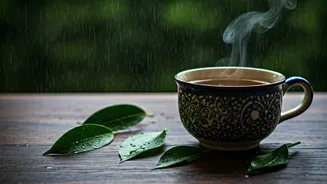
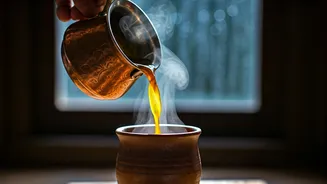
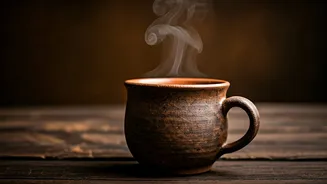
in itself—a comforting routine that signals a moment of pause and self-care. On a grey, rainy afternoon, when the dampness seems to seep into your bones, this spiced decoction is a warm, internal hug. It's the flavour of home, an antidote to both the common cold and a gloomy mood, embodying a sense of wellness that transcends physical health and touches the soul.
The Anatomy of Comfort
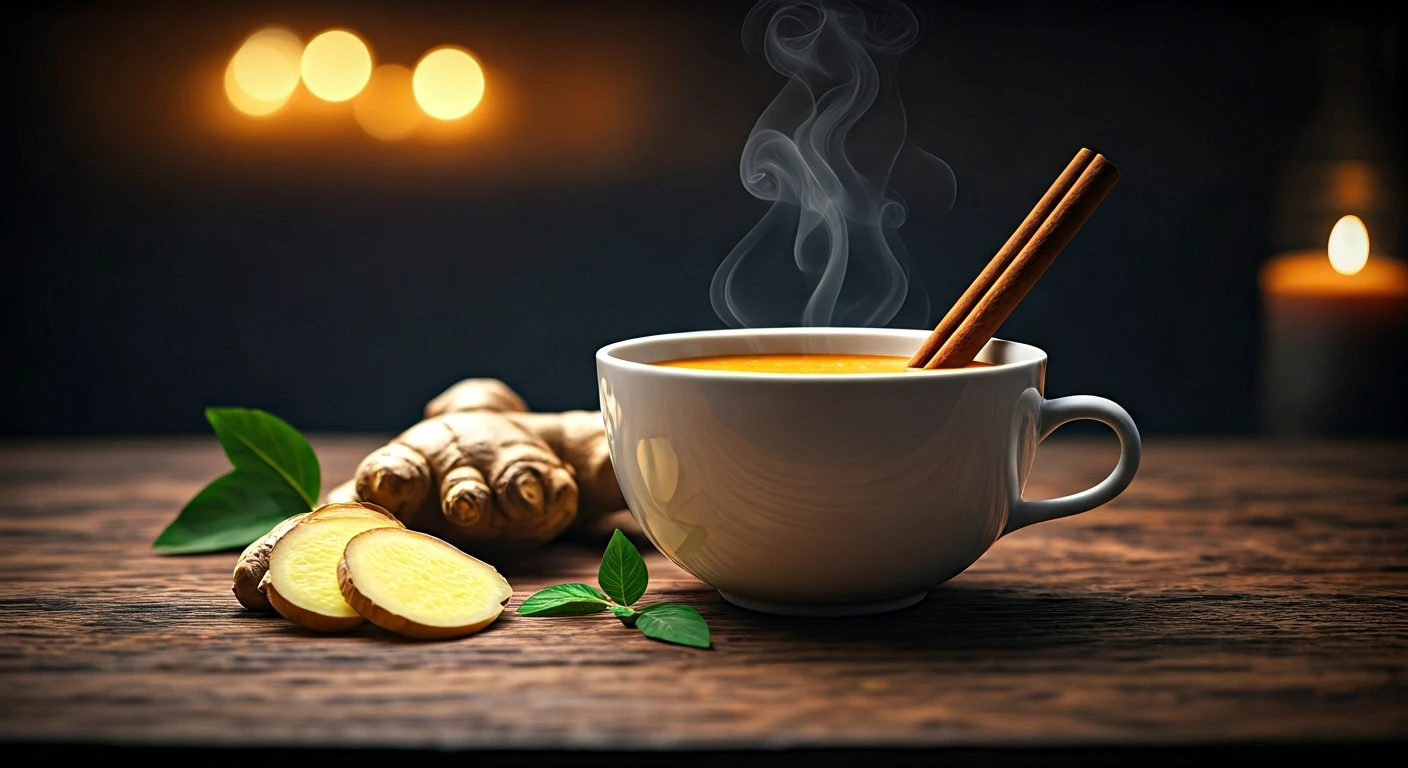
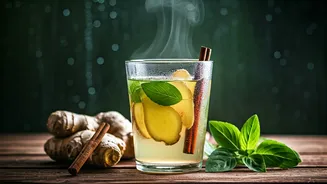
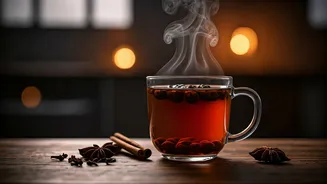
At its heart, Kadha is a simple, potent brew of herbs and spices simmered in water. While recipes vary from one household to the next—a fiercely guarded secret, at times—a few core ingredients form its backbone. Ginger (adrak) provides a pungent warmth, often credited with soothing a sore throat. Black peppercorns (kali mirch) add a sharp, cleansing heat. Cloves (laung) and cinnamon (dalchini) bring their sweet, woody aromas and comforting flavours. The star of many recipes is Holy Basil (tulsi), revered for its distinctive fragrance and place in traditional Indian wellness practices. Honey or jaggery is often stirred in at the end, not just for sweetness, but to coat the throat and balance the spicy notes. Each ingredient plays its part in a carefully orchestrated symphony of flavour and function.
A Monsoon Must-Have
There’s a reason Kadha and the monsoon are so intrinsically linked. As the skies open up, bringing relief from the summer heat, they also bring a spike in coughs, colds, and seasonal flu. This is when the kitchen transforms into a home apothecary, and the Kadha pot comes out. The warmth of the brew helps counter the damp chill, and its blend of traditionally immunity-supporting spices becomes a first line of defence in many families. It’s a proactive, nurturing response to the changing season. The ritual becomes a comforting constant against the unpredictability of the weather, a promise of warmth and wellness when the world outside feels cold and wet.
From Nani's Recipe to Modern Mugs
While the core of Kadha remains timeless, it is not immune to modern interpretation. Today, you’ll find everything from pre-packaged Kadha mixes and tea bags to cafe versions infused with lemongrass or orange peel. Younger generations, while still cherishing their family recipes, are experimenting with ingredients and brewing methods. Some add turmeric for its golden hue and anti-inflammatory reputation, while others might use a coffee press for a cleaner brew. This evolution doesn't dilute the tradition; it enriches it. It shows that Kadha is not a static relic of the past but a living, breathing ritual that adapts to new lifestyles while retaining its essential character of comfort and care.
The Ritual of the Brew
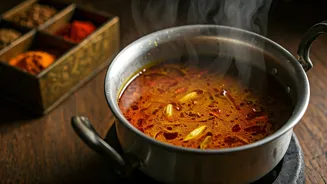
Beyond its ingredients, the magic of Kadha lies in the making. It’s a slow, deliberate process. The gentle crushing of spices in a mortar and pestle releases their essential oils, filling the kitchen with an intoxicating aroma. The slow simmer as the water darkens, absorbing the goodness of the herbs, is a lesson in patience. Watching the steam rise from the pot is a form of kitchen meditation. This act of creation is as much a part of the healing as the drink itself. To make Kadha for someone—or for yourself—is an act of profound care, a tangible way of saying, “I want you to be well.”