



Strategy 1: The Well-Stocked Pantry
The single biggest hurdle to a quick meal is not having the right ingredients. A well-stocked pantry, fridge, and freezer are your best defence against decision fatigue and last-minute takeout orders. Think of it as your foundational toolkit. Key items
include quick-cooking grains like quinoa and couscous, canned legumes such as chickpeas and lentils, and essential flavour-builders like garlic paste, onions, and basic spices. Having these staples means you can throw together a nutritious meal, like a quick dal tadka or a chickpea curry, without a trip to the store. Frozen vegetables are another hero, retaining nearly all their nutrients while eliminating prep time.
Strategy 2: Embrace One-Pot and Sheet-Pan Dinners
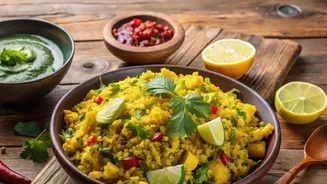
The beauty of a one-pot or sheet-pan meal lies in its efficiency. Not only do you consolidate cooking time, but you also drastically reduce cleanup. A classic one-pot khichdi, for instance, combines rice, lentils, and vegetables into a complete, balanced meal that's ready in about 20 minutes. Similarly, sheet-pan dinners allow you to roast a protein like chicken or paneer alongside vegetables, all tossed in oil and seasoning. The trick is to cut ingredients to a similar size so they cook evenly. This method is incredibly versatile and perfect for those evenings when you need a hands-off dinner that practically cooks itself.
Strategy 3: Smart, Strategic Meal Prep
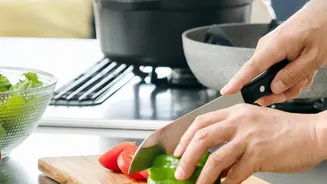
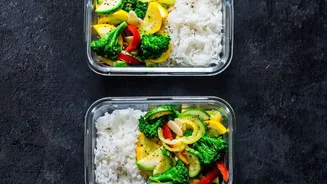
Meal prep doesn't have to mean spending your entire Sunday cooking five different meals. A more flexible approach is 'component prep'. This involves preparing individual ingredients that can be mixed and matched throughout the week. Spend 30-60 minutes chopping vegetables, making a base onion-tomato gravy, boiling some potatoes, or cooking a batch of grains. Having these components ready transforms weekday cooking into simple assembly. For example, pre-chopped bell peppers, onions, and paneer cubes can become a quick stir-fry in under 15 minutes. This strategy saves significant time when you're busiest.
Strategy 4: Rely on Quick-Cooking Proteins
Not all ingredients are created equal when it comes to cooking time. Building your meal around proteins that cook quickly is a game-changer. Eggs are perhaps the fastest, making dishes like bhurji or a quick omelette curry a dinner-worthy option. Boneless chicken, fish, shrimp, and paneer all cook in a matter of minutes, making them ideal for stir-fries and quick curries. Even certain dals, like masoor or moong dal, cook much faster than their counterparts and can be ready in under 15 minutes. Focusing on these ingredients ensures your meal comes together without a long, drawn-out simmer.
Strategy 5: The Power of a Flavourful Finish
A simple meal can be elevated to something special with the right sauce, marinade, or tadka. A quick marinade on chicken or paneer before cooking can infuse it with deep flavour. Likewise, a versatile sauce can bring together a simple bowl of grains and vegetables. Think of a quick peanut sauce for a satay bowl or a lemon-herb dressing for a simple salad. In Indian cooking, the final tadka (tempering) of spices in ghee or oil is a classic technique that adds a powerful burst of flavour to simple dishes like dal or yogurt-based curries in seconds.