






The Daily Pinch on Your Wallet
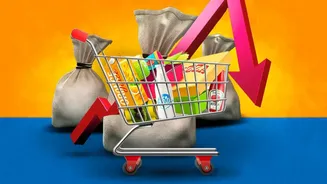
The most significant pressure on household budgets comes from non-negotiable expenses. Food inflation has been a persistent concern, with the prices of vegetables, milk, and pulses showing volatility. This 'kitchen inflation' has a direct and immediate
impact, as families feel the squeeze with every grocery run. Compounding this are rising fuel costs, which not only make personal transport more expensive but also drive up the cost of nearly all transported goods. Even with headline inflation figures fluctuating, the felt inflation for an average family can be much higher because it is concentrated in these high-frequency purchases. This steady financial pressure has made managing monthly expenses a more meticulous and often stressful task for many urban households.
The New 'Essentials': Connectivity and Comfort
While budgets are being squeezed, the definition of an 'essential' has expanded. High-speed internet, once a luxury, is now a non-negotiable utility for millions working or studying from home. Similarly, subscriptions to streaming services have become a primary source of entertainment, replacing more expensive outings. This reflects a broader shift where spending is being reallocated, not just cut. Households are making conscious trade-offs, sometimes sacrificing small discretionary purchases to maintain access to digital services that have become integral to modern life. This has also led to a rise in borrowing for day-to-day expenses, with digital lending apps making credit more accessible for managing temporary cash shortfalls.
A Major Budget Rebalancing Act
With costs for essentials and new necessities rising, something has to give. Recent trends show that urban consumers are becoming more cautious and selective with their spending. The festive season of 2026, for instance, saw many consumers planning to stick to their budgets by shopping more carefully and prioritising value. A survey noted that while 26% of consumers intended to maintain their festive budget, they planned to do so by being more selective. Some reports even suggest a slight decline in overall urban spending in early 2026, with households cutting back on non-essential goods to protect their core budget. This indicates a move away from impulsive buying towards more deliberate, needs-based purchasing decisions as families navigate tighter financial realities.
From Owning Things to Living Experiences
Perhaps the most profound change is the shift in aspiration. While past generations prioritised saving for big-ticket assets like a car or a larger home, today's urban spenders are increasingly channelling their discretionary funds towards experiences. This includes travel, wellness retreats, concerts, and upskilling courses. This pivot suggests a re-evaluation of what constitutes a 'good life'. It's less about the accumulation of physical goods and more about personal growth, mental well-being, and creating memories. Even as they become more price-conscious on everyday goods, many are willing to save and splurge on a vacation or a wellness program, seeing it as an investment in themselves.
The Rise of Value-Driven Consumption
The current economic climate is fostering a more conscious consumer. There is a growing emphasis on getting maximum value for every rupee spent. This doesn't always mean buying the cheapest option, but rather the one that offers the best quality, durability, and utility for the price. This trend is visible in the careful consideration given to festive purchases and the willingness to dip into savings for planned expenses rather than spending impulsively. Retailers are finding that to win over the modern urban consumer, they need to demonstrate clear value beyond just the price tag, as households scrutinise discretionary purchases more than ever before.