




Tomatoes: Sunshine in a Pot
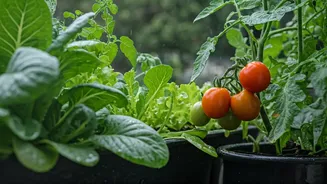
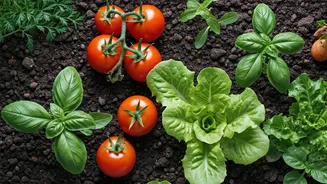
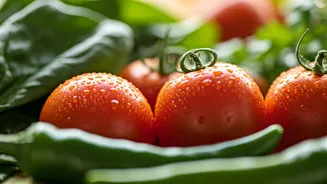
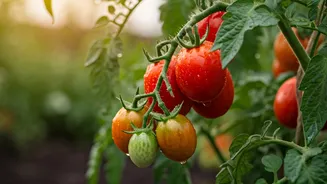
Tomatoes, especially cherry tomato varieties, are a fantastic starting point for any budding home gardener. They are surprisingly resilient and can thrive in containers on a sunny balcony or terrace. The key is sunlight – they need at least 6-8 hours
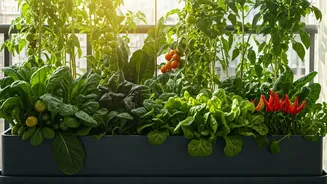
of direct sun daily. Plant a single sapling in a 10-12 inch pot with good quality potting mix. Water it deeply whenever the top inch of soil feels dry, but avoid making the soil soggy. As it grows, you'll need to provide a small stake or trellis for support. The joy of watching tiny yellow flowers turn into bright red, juicy tomatoes is a reward in itself. They taste infinitely better than anything you can buy.
Chillies: A Spicy Staple
No Indian kitchen is complete without chillies (mirchi), and luckily, they are incredibly easy to grow. These plants love the warm, sunny climate prevalent across most of India. You can easily grow them from the seeds of a dried red chilli from your own kitchen! Sow a few seeds in a small pot, and once the seedlings are a few inches tall, transplant the healthiest one into a medium-sized pot (around 8-10 inches). Place it in a spot that gets plenty of sun. Chillies are relatively low-maintenance; water them regularly, but let the soil dry out slightly between waterings. Soon, you’ll have a steady supply of fresh, spicy chillies for your tadkas and chutneys.
Spinach (Palak): The Fast Green
If you want quick results, look no further than spinach. This leafy green grows incredibly fast and is perfect for container gardening. You can sow seeds in a wide, shallow pot or a rectangular planter. Palak prefers cooler weather, so it’s an excellent choice for growing during the winter months, though many varieties can handle some heat. It doesn’t need as much direct sun as tomatoes, making it suitable for balconies that get partial sunlight (4-5 hours is enough). The best part? Spinach is a ‘cut-and-come-again’ plant. You can harvest the outer leaves, and the plant will continue to produce more from the centre, giving you a continuous supply for weeks.
Mint (Pudina): The Indestructible Herb
Mint is famous in the gardening world for being almost impossible to kill. In fact, the biggest challenge is often containing it! For this reason, always grow pudina in its own pot, never in a shared garden bed where it will quickly take over. You don’t even need seeds. Simply take a few healthy sprigs from a bunch you bought at the market, place them in a glass of water until they sprout roots, and then plant them in a pot with moist soil. Mint loves moisture and thrives in partial shade. Keep it well-watered, and you’ll have an endless supply for your chai, raita, and refreshing summer drinks.
Coriander (Dhaniya): The Essential Garnish
Fresh coriander is a non-negotiable garnish in Indian cooking, but store-bought bunches often wilt quickly. Why not grow your own? You can use whole coriander seeds from your masala dabba. Gently crush the seeds to split them into two halves, then sow them in a wide pot filled with a light, well-draining soil mix. Cover with a thin layer of soil and keep it moist. The seeds will germinate in a week or two. Dhaniya prefers cooler temperatures and partial sun. Harvest the leaves as needed, and enjoy the incredibly fresh, pungent aroma that you can only get from homegrown herbs.
Lady's Finger (Bhindi): The Summer Superstar
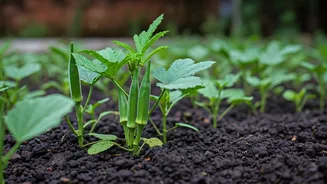
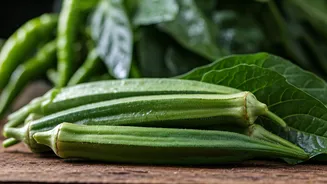
Lady’s Finger, or Bhindi, is a heat-loving vegetable that thrives during the hot Indian summers, a time when some other plants might struggle. It needs a lot of sun and a relatively large pot (at least 12 inches deep) to accommodate its root system. Sow the seeds directly into the pot and watch them grow surprisingly fast. The plants produce beautiful, hibiscus-like flowers before the pods appear. Harvest the bhindi when they are still young and tender, usually around 4-5 inches long, for the best flavour and texture. Regular harvesting will also encourage the plant to produce more pods.