


What Sparked the Alert?
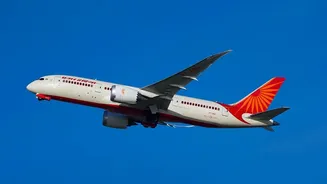
On October 14, 2026, Air India Flight AI 2030, a Boeing 787 en route from Frankfurt to Delhi, was forced to divert to Jaipur. The reason was a 'perceived security concern' triggered by a squawk 7500 alert—a transponder code that signals unlawful interference,
such as a hijacking. The signal compels air traffic controllers to treat the situation with utmost seriousness. The aircraft, carrying 293 passengers and 13 crew members, landed safely. Following extensive checks by security agencies, the alert was declared false, and the flight continued to its destination. While the immediate danger passed, the critical question of what caused the alert—pilot error, a technical glitch, or a system malfunction—remains unanswered, prompting a thorough investigation by the Directorate General of Civil Aviation (DGCA).
The Anatomy of an Aviation Investigation
When an incident like this occurs, India's aviation authorities launch a multi-layered inquiry. The primary investigation is typically handled by the DGCA or the Aircraft Accident Investigation Bureau (AAIB), an independent body established to ensure unbiased probes. The sole purpose of such an investigation is not to assign blame but to determine the root cause to prevent future occurrences. Investigators will meticulously analyze flight data recorders, cockpit voice recorders, and communication logs between the pilots and air traffic control. They will also interview the crew and relevant ground staff. The goal is to reconstruct the sequence of events and identify any failures, whether human or technical.
Beyond a False Alarm: The Search for Systemic Flaws
Even though the alert on AI 2030 was false, the investigation is crucial because an erroneous hijack signal creates significant risks. It triggers a massive security response on the ground, disrupts operations, and can cause immense stress for passengers and crew. The DGCA must determine if this was an isolated incident or a symptom of a deeper issue. Could there be a software bug in the transponder system? Is there a gap in pilot training regarding the use of emergency codes? Finding these answers is essential for implementing corrective actions across the industry, which could include software updates, revised pilot checklists, or new training modules. Every investigation aims to strengthen the layers of safety that protect flights worldwide.
The Stakes for Air India and Passenger Trust
For Air India, the outcome of the investigation is significant. Under its new ownership, the airline is on a mission to rebuild its brand and establish a reputation for world-class service and safety. Any incident, even one with a safe outcome, places its procedures under a microscope. A transparent and thorough investigation that leads to clear safety enhancements can actually bolster public confidence. However, an inconclusive or poorly communicated result could erode passenger trust, which is the bedrock of the entire aviation industry. Studies show that safety incidents can make passengers more anxious and more likely to research an airline's safety record before booking, making accountability more important than ever.
Why Every Flyer Has a Vested Interest
Ultimately, the continuing probe into Flight AI 2030 matters to every single person who steps onto a plane. The global aviation system is built on a culture of continuous learning from every incident, no matter how minor. The recommendations that emerge from reports by bodies like the AAIB and DGCA often become mandatory practices for all airlines. Safety protocols you take for granted today—from reinforced cockpit doors to improved maintenance schedules—are often the direct result of past investigations. The findings from the AI 2030 incident will feed back into this global safety ecosystem, contributing to a safer travel experience for everyone. The quiet, methodical work of investigators ensures that each flight benefits from the lessons of the past.