




The Myth of Automatic Health
Many assume that going vegetarian instantly makes a diet healthier, but this is a common misconception. A diet of refined grains, sugary snacks, and processed foods can be entirely vegetarian and still lack essential nutrients. Well-planned vegetarian diets
have been linked to reduced risks of heart disease and diabetes, but an unplanned one can fall short. The key isn't just what you remove, but what you intentionally add to your plate. Without a focus on whole foods, a vegetarian diet can be less balanced than an omnivorous one, potentially leading to deficiencies.
The Undeniable Importance of Protein
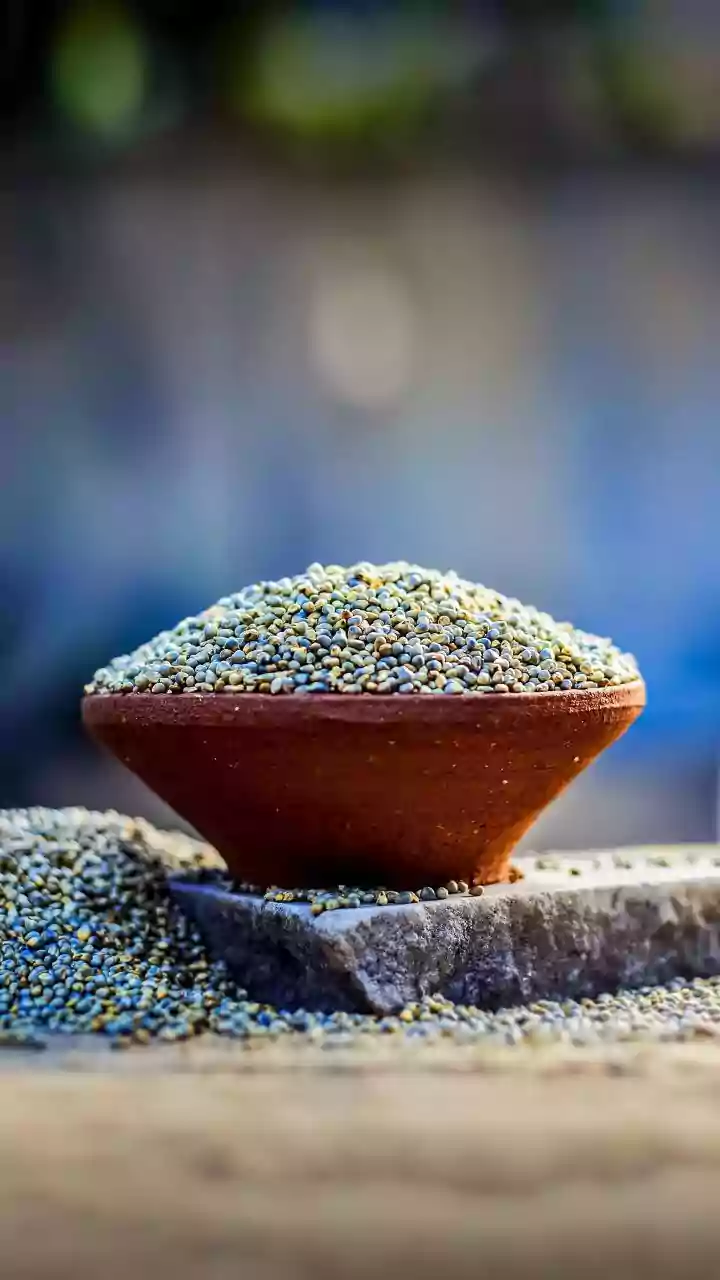
Protein is a crucial building block for your body, essential for maintaining muscle, repairing tissues, and supporting your immune system. When you remove meat, you remove a significant protein source, and it must be thoughtfully replaced. Plant-based proteins are abundant, but it's important to include them in every meal to meet your body's needs. Excellent sources include legumes like beans and lentils, soy products such as tofu and tempeh, nuts, and seeds. A cup of cooked lentils, for example, provides about 18 grams of protein.
Your Go-To Vegetarian Protein Sources
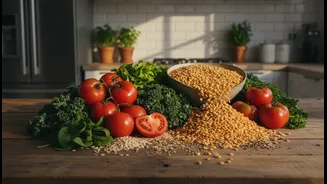
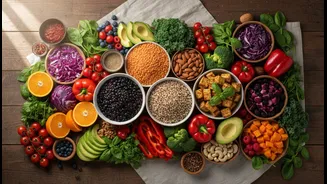
Building a high-protein vegetarian diet is easy when you know what to look for. Legumes are a powerhouse, with most beans like chickpeas and kidney beans offering around 15 grams of protein per cooked cup. Soy products are another staple; tofu, tempeh, and edamame contain between 12 to 20 grams of protein per 100-gram serving. Whole grains like quinoa are also valuable as they are a complete protein, meaning they contain all nine essential amino acids. Don't overlook nuts and seeds; hemp seeds, chia seeds, and almonds are great for snacking or adding to meals for a protein boost.
Why Variety Is a Non-Negotiable
Variety is critical not just for keeping meals interesting, but for ensuring you get a complete range of nutrients. Most plant proteins, unlike animal proteins, are 'incomplete', meaning they lack one or more essential amino acids. However, by eating a wide variety of plant foods throughout the day—like beans with rice or quinoa with vegetables—you can easily get all the amino acids your body needs. Variety also helps you get other vital nutrients that can be harder to obtain on a vegetarian diet, such as iron, vitamin B12, calcium, and zinc. For example, non-heme iron from plants is absorbed less easily than heme iron from meat, so pairing iron-rich foods like spinach and lentils with a source of vitamin C, like bell peppers or oranges, can significantly boost absorption.
Building a Balanced Vegetarian Plate
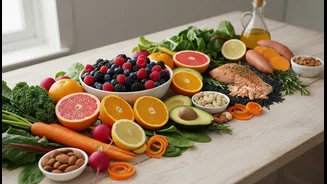
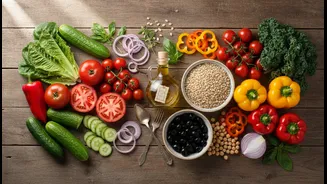
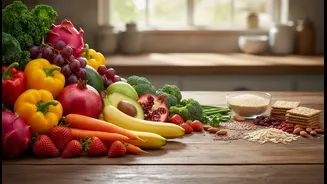
A simple way to ensure your meals are balanced is to follow a plate model. Aim to fill half of your plate with a colorful variety of vegetables and fruits. These provide essential vitamins, minerals, and fiber. One-quarter of your plate should be dedicated to a lean protein source, such as chickpeas, tofu, or lentils. The final quarter should be filled with whole grains or starchy vegetables, like brown rice, quinoa, or sweet potatoes, which provide sustained energy. Finally, add a source of healthy fats, such as avocado, nuts, or seeds, to support brain function and nutrient absorption.