
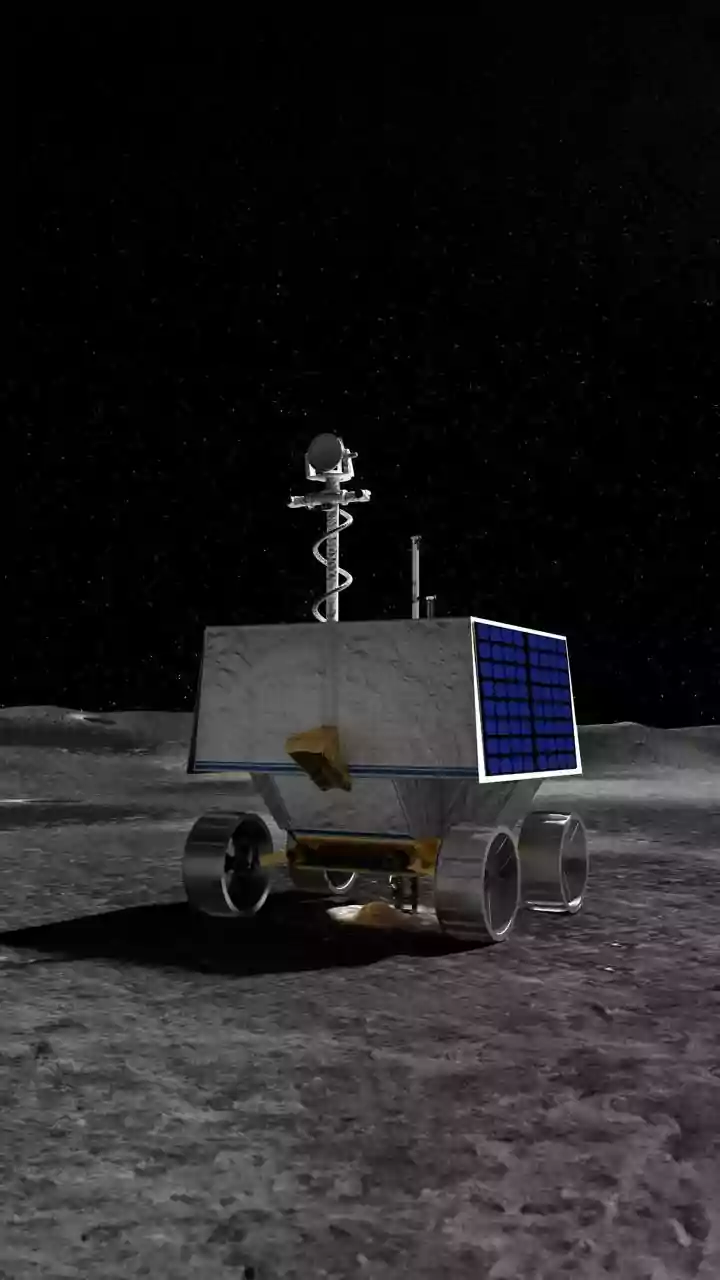





NASA is doubling down on its return to the Moon, not with one partner, but two. The agency is now working with both SpaceX and Blue Origin on the lunar landers for its Artemis program, a strategic shift that embraces competition and redundancy.
The Grand Plan: Return to the Moon
More than
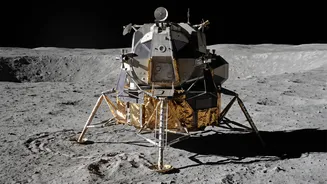
half a century after the last Apollo mission, NASA is orchestrating humanity's return to the lunar surface. The Artemis program is an ambitious, multi-stage effort to establish a sustainable human presence on the Moon, with an eye toward eventual missions to Mars. Central to this entire vision is the Human Landing System (HLS), the vehicle that will ferry astronauts from lunar orbit down to the surface and back. After initially selecting a single provider, NASA has pivoted, bringing two of the biggest names in commercial spaceflight—SpaceX and Blue Origin—into the fold to develop competing landers. This dual-provider approach is a calculated bet designed to foster innovation, control costs, and, most importantly, provide a critical backup to ensure the ambitious timeline doesn't falter.
A Tale of Two Landers
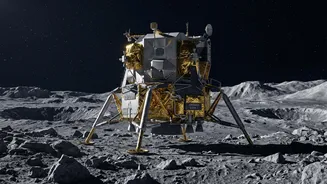
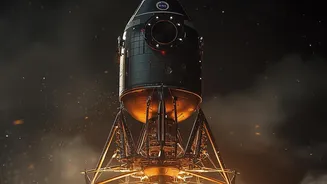
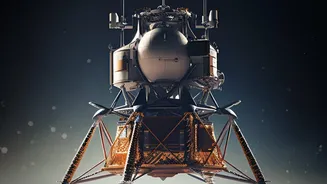
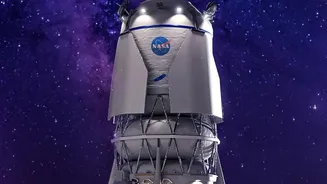
The two companies are taking fundamentally different approaches to the same challenge. SpaceX is adapting its colossal Starship vehicle, a fully reusable spacecraft designed for interplanetary travel. The Starship HLS variant is a towering craft that will require a complex sequence of in-orbit refueling missions before it can journey to the Moon. Blue Origin, founded by Jeff Bezos, is leading a 'National Team' that includes industry veterans like Lockheed Martin and Boeing to build its Blue Moon lander. This vehicle is being designed more traditionally as a dedicated lander, though it also boasts reusability and significant payload capacity. Both companies are under contract to deliver landers capable of transporting astronauts, conducting science on the surface, and supporting the long-term goal of a lunar base camp.
A Shift in Strategy
NASA's plan has evolved. Originally, specific missions were assigned to each provider. SpaceX was slated to land astronauts on Artemis III and IV, with Blue Origin taking over for Artemis V. However, in a recent shake-up announced in late October 2026, NASA has revised the timeline and the mission architecture. The first crewed landing has been pushed to Artemis IV in 2028. The preceding mission, Artemis III, scheduled for 2027, will now be a crucial dress rehearsal in low-Earth orbit. During this mission, astronauts aboard the Orion capsule will practice docking with test versions of both the SpaceX Starship and the Blue Origin lander, without attempting a lunar landing. This change allows NASA to test critical systems and procedures closer to home, reducing risk before committing to a surface mission.
Competition as a Safety Net
By keeping both companies in play for the 2028 landing, NASA is creating a competitive environment and a vital layer of redundancy. Agency officials have framed the Artemis III rehearsal as a 'tiebreaker', waiting as long as possible before deciding which company's lander is ready to fly the historic Artemis IV landing mission. This strategy protects the program from delays that could arise if one provider's technology falls behind schedule. The challenges are immense: SpaceX must prove its unprecedented orbital refueling technique, while Blue Origin must integrate the work of its multiple partners into a cohesive vehicle. NASA is betting that having two 'shots on goal' gives it the best possible chance of putting boots back on the Moon by 2028 and sustaining a presence there for years to come.