




The Whispering Green Cathedrals
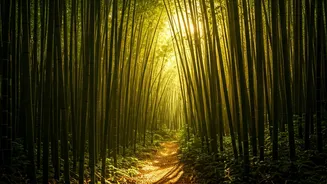
There is a unique magic to a bamboo forest. It’s a world away from the dense, chaotic tangle of a typical jungle. Here, there is order and serenity. Giant, hollow stems climb towards the sky, creating a high canopy that filters the harsh sun into a soft,
dappled light. As the breeze moves through the grove, the stalks knock against each other, producing a gentle, hollow percussion—a natural wind chime. This is the ‘sparkle’ the headlines promise: the visual dance of light and shadow, and the auditory symphony of the forest itself. It’s an immersive experience that calms the mind and reconnects you with the simple, profound beauty of nature. These groves are not just collections of plants; they are living, breathing spaces that offer a powerful sense of peace.
Wayanad, Kerala: The Ultimate Bamboo Haven
When you think of bamboo in South India, Wayanad is often the first name that comes to mind. This verdant district in Kerala is crisscrossed with dense bamboo forests, making it the premier destination for this specific kind of nature tourism. The Muthanga Wildlife Sanctuary, part of the Nilgiri Biosphere Reserve, is a key highlight. Here, you can take a jeep safari that winds through vast stretches of bamboo, offering chances to spot elephants, deer, and other wildlife that thrive in this ecosystem. For a more hands-on experience, visit Uravu, a non-profit organisation dedicated to sustainable development through bamboo crafts. They offer workshops and tours, showcasing how this versatile ‘green gold’ is transformed into beautiful products by local artisans. The drive through the Wayanad Ghats itself, with bamboo clusters lining the roads, sets the stage for the green paradise that awaits.
Coorg, Karnataka: Coffee, Spice, and Bamboo
While famous for its sprawling coffee plantations and aromatic spice gardens, Coorg (Kodagu) also boasts beautiful bamboo groves that add another layer to its charm. Unlike the vast, dedicated forests of Wayanad, bamboo in Coorg is often found in dense pockets along riverbanks and within the coffee estates themselves. The experience here is more intimate. Many homestays and resorts have private trails that lead you through these clusters. A walk near the banks of the River Kaveri will almost certainly lead you through serene bamboo thickets, where the air is cool and fresh. The combination of coffee blossoms, bird calls, and the gentle rustle of bamboo leaves makes for an unforgettable sensory journey. A popular activity is trekking to spots like Tadiandamol, where the trails are often flanked by these elegant green giants.
Planning Your Green Getaway
To make the most of your excursion, timing is key. The best period to visit is from September to March, after the heavy monsoon rains have subsided. The forests are lush and green, and the weather is pleasant for walking and exploration. During the day, the sunlight creates the magical ‘sparkling’ effect, so plan your walks for mid-morning or late afternoon. Wear comfortable walking shoes with a good grip, as forest paths can be uneven. Light, breathable clothing is ideal. While some areas are accessible on your own, hiring a local guide or joining a guided safari, especially within wildlife sanctuaries, is highly recommended. Not only is it safer, but guides can point out unique flora and fauna you might otherwise miss. Most importantly, remember to be a responsible tourist: do not litter, do not carve names into the bamboo, and maintain a respectful silence to avoid disturbing the wildlife.