




More Than Just a Side Dish
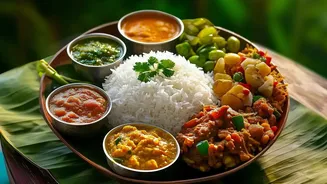
For generations, the chutney has been an indispensable part of Indian meals. Whether it’s the fresh mint-coriander chutney served with snacks, the sweet and tangy tamarind chutney drizzled over chaat, or the staple coconut chutney alongside a dosa, this
versatile condiment has always been about adding an extra dimension of flavour. Traditionally made by grinding fresh, seasonal ingredients on stone slabs, chutneys were a way to balance a meal, aid digestion, and make simple food exciting. They are the quiet supporting actors that often define the entire dining experience, reflecting the landscape and produce of each region.
The Modern Health Makeover
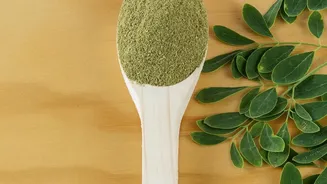
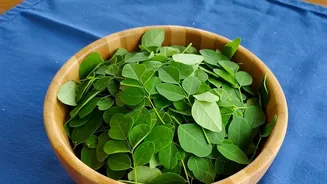
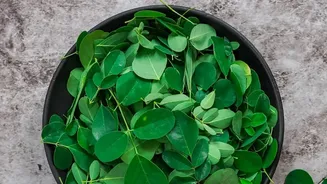
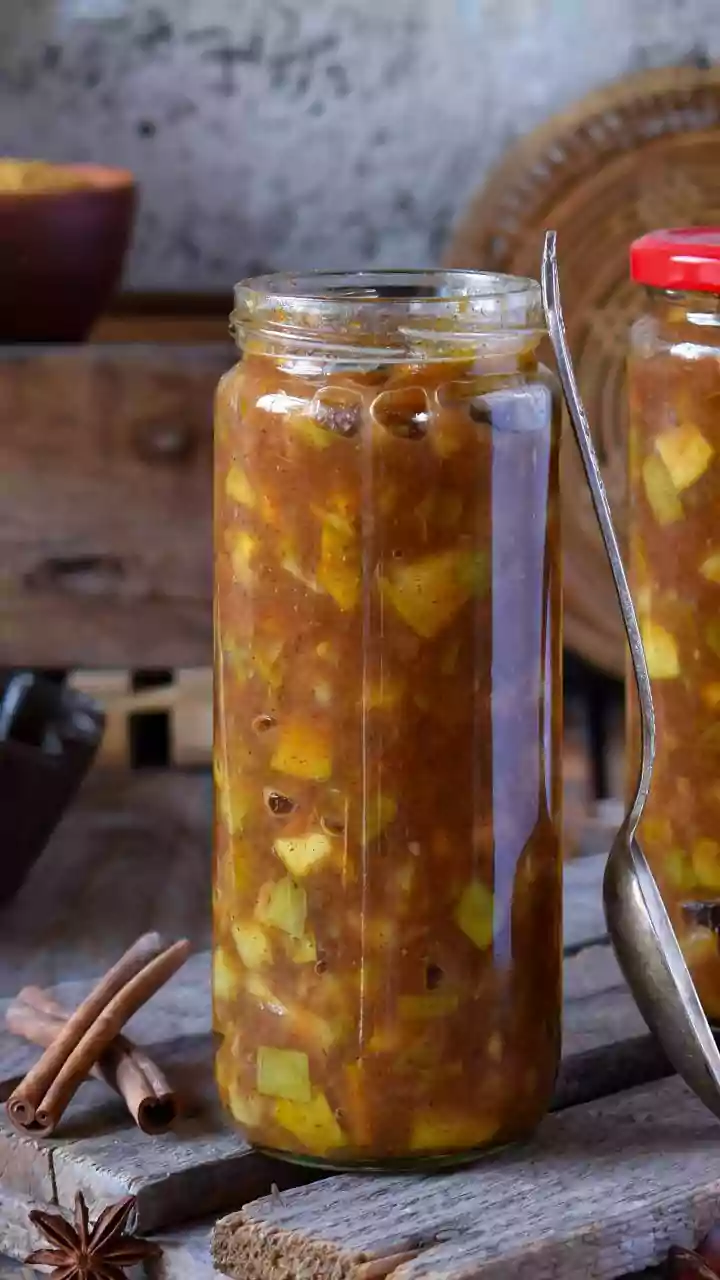
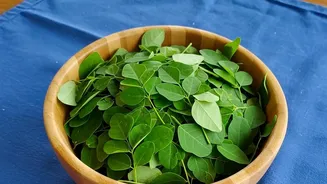
Today, a new consciousness around health and wellness is transforming the contents of the chutney jar. Home cooks and nutritionists are looking at this traditional food with fresh eyes, seeing its potential as a vehicle for dense nutrition. The focus is on simple swaps and powerful additions. Refined sugar is being replaced with jaggery or dates, while nutrient-rich ingredients like flax seeds, chia seeds, and peanuts are being added for texture and health benefits. Superfoods are also making a grand entry. Moringa (drumstick leaves), packed with vitamins, protein, and antioxidants, is now a popular base for chutneys that aim to boost immunity and manage blood sugar. Similarly, curry leaves, once just a tempering ingredient, are being turned into flavourful powders and pastes, celebrated for their mineral and antioxidant content.
Digging for Regional Gold
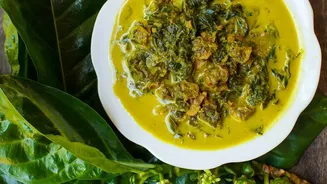
This nutrition-focused trend is happening alongside a powerful cultural movement: the rediscovery of heirloom and regional recipes. As people look for authenticity and a connection to their roots, forgotten chutneys from different corners of the country are finding their way back to the mainstream. In Tamil Nadu, for instance, there is a renewed interest in 'Thoothuvalai' (Solanum trilobatum), a thorny herb traditionally used to treat coughs, colds, and respiratory issues. A chutney made from its leaves is considered a potent home remedy. Similarly, hyper-local ingredients that were once confined to specific communities are gaining wider appreciation. From Ladakh's seasonal green chutneys to the fiery dried shrimp chutneys of the Maharashtrian coast, these recipes tell a story of a region's unique produce and culinary wisdom. This revival celebrates the incredible diversity of Indian cuisine that goes far beyond the handful of popular chutneys most people know.
Why Now? A Taste of Authenticity
Several factors are driving this chutney revolution. The global pandemic heightened awareness around immunity-boosting foods, leading many to revisit traditional remedies and ingredients like turmeric, ginger, and medicinal herbs. There's also a growing desire for clean eating and a move away from mass-produced sauces and condiments that are often high in preservatives, sugar, and sodium. For many, especially younger generations, cooking has become a way to explore and reclaim their cultural heritage. Chefs, food bloggers, and home cooks are championing these old-world recipes, making them accessible and appealing to a modern audience. This trend is not just about nostalgia; it’s about recognizing the sophisticated, science-based knowledge embedded in traditional Indian food systems.
The New Pantry Staples
The reinvented chutney is breaking out of its traditional role as a mere accompaniment to rice or roti. These flavourful, nutrient-dense pastes are being used as healthy sandwich spreads, versatile dips for vegetable sticks, and dressings for salads. A spoonful of a spicy lentil or moringa chutney can elevate a simple bowl of dal or soup. A raw mango chutney can add a tangy kick to grilled dishes, while a roasted bell pepper version can serve as a healthy alternative to ketchup. This versatility makes it easier than ever to incorporate a burst of flavour and nutrition into any meal, proving that the age-old chutney is perfectly suited for the modern, health-conscious kitchen. It’s a delicious reminder that sometimes, the healthiest and most exciting flavours are the ones that have been with us all along, just waiting to be rediscovered.