








Consult Official Weather Alerts
Before anything else, get the latest forecast from the India Meteorological Department (IMD). The IMD issues colour-coded alerts (red, orange, yellow) that indicate the expected severity of rainfall. These warnings are crucial as they predict not just
rain, but the likelihood of 'heavy to very heavy' spells that lead to waterlogging. For Friday, August 21, the forecast indicates light to moderate rain, but conditions can change rapidly. Always check for the latest alerts, as authorities often advise residents to stay indoors during red or orange alerts unless travel is essential.
Use Real-Time Traffic and Flood Apps
Your car’s navigation system is a powerful tool, but it's only as good as its real-time data. Apps like Google Maps provide live traffic updates, often showing road closures and slowdowns due to waterlogging. For more specific local information, the Brihanmumbai Municipal Corporation (BMC) has its own 'Disaster Management BMC' app. This app provides targeted alerts on traffic diversions, train status, and even has a feature to flag waterlogged areas, helping you make smarter route choices before you even start your journey.
Monitor Official Social Media Handles
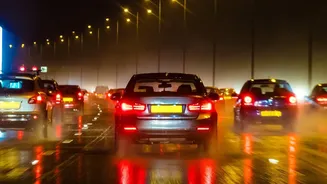
For the most immediate, on-the-ground updates, the Mumbai Traffic Police's official account on X (formerly Twitter) is an indispensable resource. They post real-time information about which roads are clear, which are waterlogged, and which subways are closed. During heavy downpours, they provide continuous updates on traffic diversions. Following their feed can help you avoid getting stuck for hours. The BMC also uses social media and WhatsApp to disseminate information, including a dedicated chatbot for reporting issues like open manholes.
Know the Chronic Waterlogging Hotspots
Every Mumbaikar knows some areas are more prone to flooding than others. Low-lying areas like the Andheri subway, Hindmata, Gandhi Market, Sion, Kurla, and Chembur are notorious for quick and severe waterlogging. While the BMC has undertaken mitigation work in places like Hindmata and Gandhi Market to speed up water removal, intense spells of rain can still overwhelm the drainage systems. If heavy rain is forecast, it’s best to assume these hotspots will be affected and plan your route to avoid them entirely if possible.
Conduct a Pre-Drive Vehicle Check
A few minutes of preparation can save you from a major breakdown. The Mumbai Police and other experts advise a simple check before you drive. Ensure your tyres have adequate tread and are properly inflated. Check that your headlights, taillights, and horn are working perfectly for visibility and emergencies. Most importantly, inspect your windshield wipers to ensure they can effectively clear heavy rain. A car that is in good working order is far less likely to fail you in challenging conditions.
Driving Through Water: The Dos and Don'ts
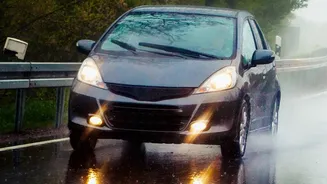
If you absolutely cannot avoid a waterlogged street, how you drive through it matters. The primary rule is to avoid entering water if you can't judge its depth. If the water level is above the bottom of your car doors, it's too deep. Drive slowly and steadily in a low gear (first or second) to keep engine revs high, which helps prevent water from entering the exhaust pipe. Do not accelerate or brake suddenly. If your car stalls, do not attempt to restart it. Trying to crank the engine can force water into it, causing catastrophic damage. The safest option is to have the vehicle towed.