






North India: Hearty and Wholesome
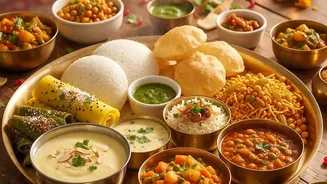
In North India, Navratri fasting is defined by satisfying meals that provide sustained energy. Flours like kuttu (buckwheat) and singhara (water chestnut) replace regular grains. One of the most beloved dishes is Kuttu ki Puri, a deep-fried, gluten-free
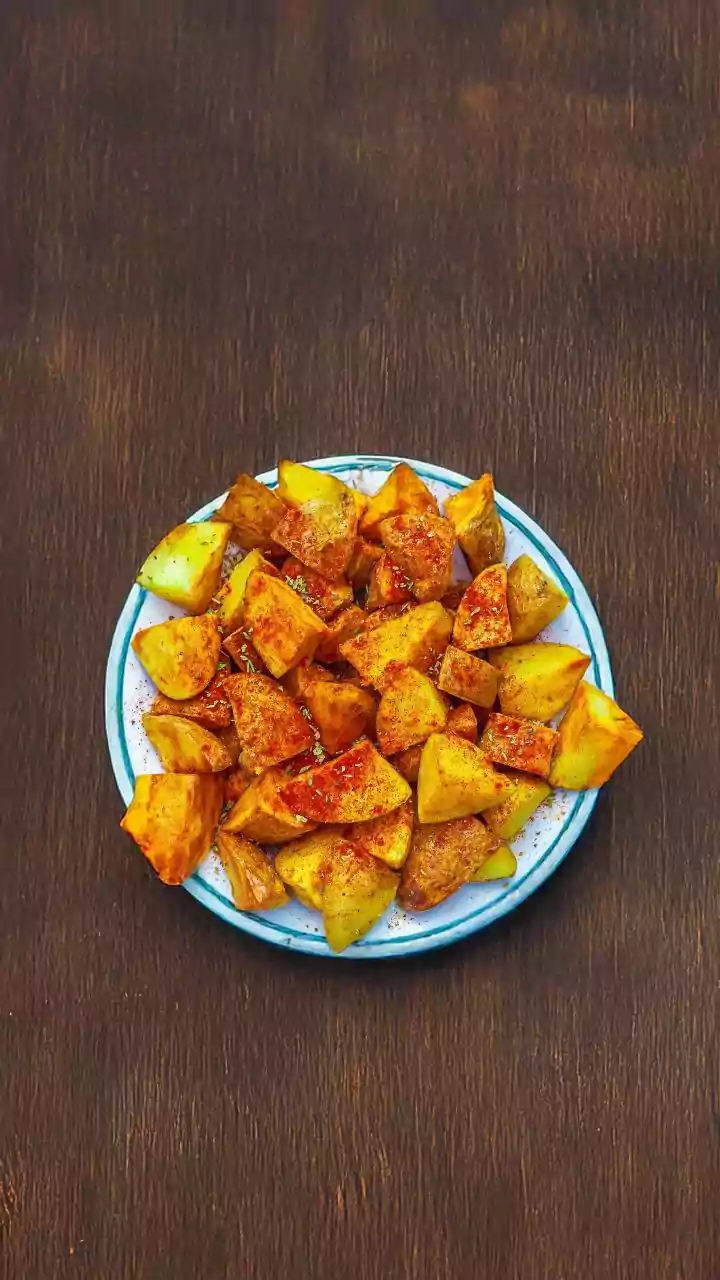
bread with a distinct nutty flavour. These pooris are often paired with a simple yet flavourful Aloo ki Sabzi, a potato curry made without onion or garlic and seasoned with rock salt (sendha namak) and cumin. For those with a sweet tooth, Singhare ka Halwa is a popular dessert. Made from water chestnut flour, ghee, and sugar, this rich, dense pudding is a festive treat that rounds off a fulfilling vrat meal.
West India: The Comfort of Sabudana
In states like Maharashtra and Gujarat, Navratri fasting is almost synonymous with sabudana (tapioca pearls). Sabudana Khichdi is a staple, a delightful preparation of soaked tapioca pearls sautéed with roasted peanuts, green chillies, and potatoes. It's light on the stomach but high in carbohydrates, making it an ideal energy booster. Another favourite is the Sabudana Vada, a crispy, deep-fried patty made from sabudana, mashed potatoes, and crushed peanuts, often served with a cooling yogurt dip. In Maharashtra, you might also find a Farali Misal, a fasting version of the iconic spicy curry, or Sabudana Thalipeeth, a savoury pancake that’s both delicious and filling.
South India: A Different Approach to Fasting
While strict grain-free fasting is more common in the North and West, South Indian traditions during Navratri often focus on sattvic (pure) vegetarian food, sometimes including rice but always excluding onion and garlic. A popular offering, or 'prasadam', is Sundal, a simple and protein-rich dish made from boiled legumes like chickpeas or peanuts, tempered with mustard seeds, curry leaves, and coconut. For those observing a grain-free fast, inventive recipes like dosas made from kuttu ka atta (buckwheat flour) offer a welcome change. Sweet dishes like Sweet Potato Payasam (kheer) and fruit salads provide natural sweetness and nourishment.
East India: Feasting Over Fasting
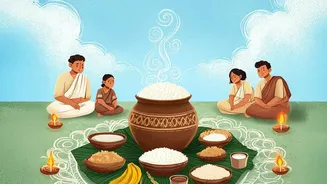
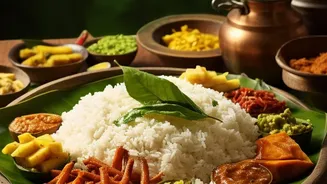
In West Bengal, Navratri coincides with the state's biggest festival, Durga Puja. Here, the culinary tradition is starkly different. Instead of fasting, the period is marked by grand feasts. The concept of 'bhog', a food offering to the goddess, is central. This typically includes Khichuri (a rice and lentil dish), Labra (a mixed vegetable curry), and various fried items like Beguni (eggplant fritters). Sweets are indispensable, with delicacies like Sandesh and Rasgulla, both made from chenna (fresh paneer), being widely enjoyed. While many Bengalis do not fast, they celebrate with a rich variety of vegetarian and, quite often, non-vegetarian dishes, viewing the feast as a form of joyful devotion.
Modern Twists on Vrat Favourites
Across all regions, home cooks are getting creative with traditional fasting ingredients. The humble potato and paneer are transformed into Vratwale Paneer Rolls or cutlets. Makhana (fox nuts) are roasted for a crunchy snack or slow-cooked into a creamy, low-fat kheer. Sama ke chawal (barnyard millet) is used to make everything from dhokla and idlis to pulao, providing a light yet satisfying alternative to rice. These innovations ensure that while the rules of the fast are observed, the menu remains exciting and delicious, proving that restriction can often be the mother of culinary invention.