





The Contenders: HIIT vs. LISS
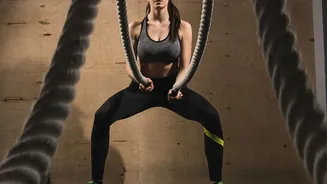
High-Intensity Interval Training (HIIT) involves short, all-out bursts of exercise followed by brief recovery periods. Think 30 seconds of sprinting, then 60 seconds of walking, repeated for 15-20 minutes. It's known for being incredibly time-efficient.
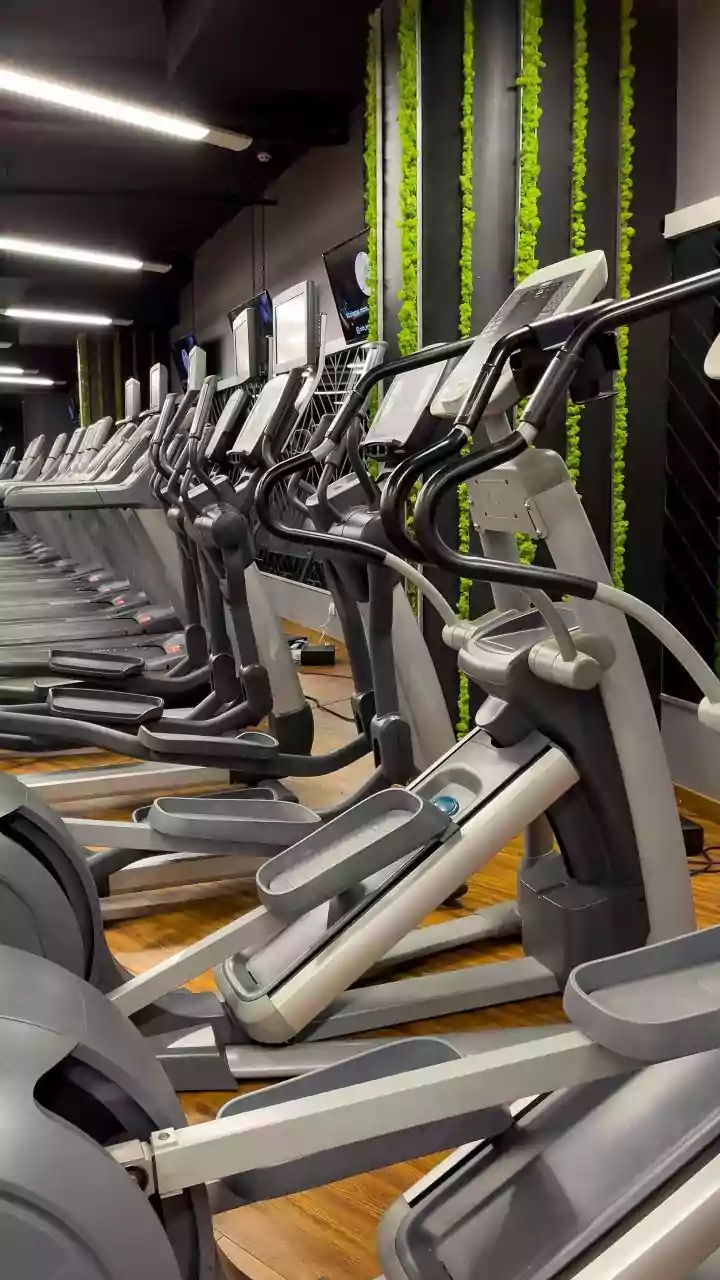
Low-Intensity Steady-State (LISS), on the other hand, is its calmer cousin. This involves maintaining a consistent, low-to-moderate pace for a longer duration, typically 30-60 minutes. Examples include brisk walking, light jogging, cycling, or using an elliptical machine at a pace where you can still hold a conversation.
Factor 1: The Time Crunch
For the perpetually busy professional, HIIT is the clear winner on the clock. A 20-minute HIIT session can deliver comparable, or even superior, fitness benefits to a 45-minute LISS workout. This efficiency is HIIT's main selling point, allowing you to squeeze in a powerful workout during a lunch break. LISS requires a larger time block, which may be harder to find during a packed workday. However, LISS sessions can be more flexible; a 45-minute walk can be your commute, a moving meeting, or a way to unwind while listening to a podcast.
Factor 2: Your Primary Fitness Goal
If your main goal is burning calories quickly and boosting your metabolism, HIIT has a distinct advantage. It creates an "afterburn effect" called Excess Post-Exercise Oxygen Consumption (EPOC), meaning your body continues to burn calories at a higher rate for hours after the workout ends. However, if your goal is building endurance, managing stress, or focusing on fat as a primary fuel source during exercise, LISS is a powerful tool. Steady-state training improves your body's ability to efficiently use fat for energy. While research shows both are effective for weight management, the best choice depends on your preference.
Factor 3: Injury Risk and Fitness Level
This is a critical consideration for anyone starting or returning to fitness. HIIT is, by definition, high-intensity and can be high-impact, placing significant stress on your joints and muscles. For beginners, the risk of injury can be higher if form is compromised in the rush. LISS is far gentler on the body and is an excellent starting point for all fitness levels, especially those who have been sedentary. It allows you to build a solid cardiovascular base with a much lower risk of injury, making it a more sustainable entry into a new fitness routine.
Factor 4: Enjoyment and Sustainability
The most effective workout is the one you consistently do. Some people thrive on the intensity and challenge of HIIT, finding the short duration highly motivating. Others find the all-out effort stressful and unpleasant. LISS can be a more meditative and relaxing experience, offering a chance to clear your head and reduce stress, which can be a huge benefit for office professionals. Think about your personality: do you prefer an explosive challenge or a calming, rhythmic activity? Your answer is a strong indicator of which you're more likely to stick with long-term.
The Verdict: How to Choose
There's no single right answer, only what's right for you. Choose HIIT if: You are short on time, have some baseline fitness, are injury-free, and enjoy pushing your limits. It's great for boosting metabolism and cardiovascular fitness efficiently. Choose LISS if: You are new to exercise, are managing an injury, want a low-stress activity, or are focused on building endurance. It’s an accessible and sustainable way to improve health.A combined approach is often the ideal solution. You could perform two HIIT sessions a week for their metabolic benefits and supplement them with two or three LISS sessions for active recovery and overall endurance.