





The Agony of Summer Muscle Cramps
Exercise-associated muscle cramps are the bane of many active people, and they often feel more frequent and intense during the hot summer months. That searing, involuntary contraction of a muscle in your calf, quad, or foot can stop you in your tracks.
While the exact cause is still debated by scientists, a leading theory points directly to dehydration and, more importantly, an imbalance of key minerals called electrolytes. When you work out in the heat, you sweat more, accelerating the loss of both fluids and these essential salts from your body, creating a perfect storm for cramps.
Beyond Water: The Electrolyte Factor
Hydration isn't just about replacing the water you've lost; it's about replacing what was in that water. Sweat isn't pure H2O; it's loaded with electrolytes, chief among them being sodium. Potassium, magnesium, and calcium are also lost, though in smaller amounts. These minerals are critical for nerve signaling and muscle contractions. When their levels drop too low from excessive sweating, your muscle function can be disrupted, leading to those painful cramps. This is why simply drinking plain water sometimes isn't enough during intense or long workouts, especially in the heat.
Coconut Water’s Natural Advantage
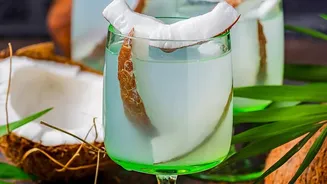
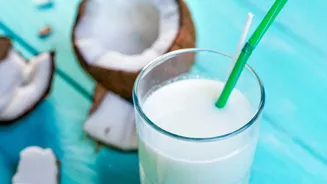
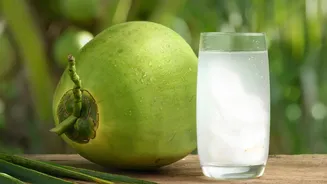
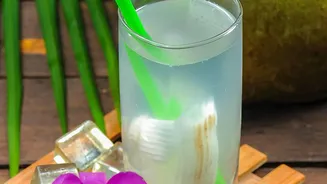
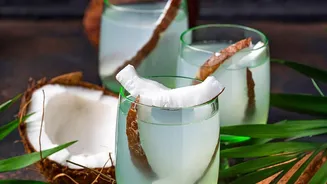
This is where coconut water enters the picture. Often called “nature’s sports drink,” unflavored coconut water is naturally rich in electrolytes, particularly potassium. A single cup can contain more potassium than a banana, a mineral that plays a vital role in muscle function and helping to prevent spasms. It also provides other helpful minerals like magnesium and calcium. Compared to many sugary commercial sports drinks, it's lower in calories and contains natural carbohydrates that can help provide some energy. For light workouts, coconut water on its own can be a great choice for replenishment.
Why Salt Is the Missing Piece
While coconut water is a potassium powerhouse, it is naturally low in the main electrolyte you lose through sweat: sodium. An average cup of coconut water has around 30-45 mg of sodium, whereas a typical sports drink might have over 100 mg. During a strenuous, sweaty workout, an athlete can lose anywhere from 500 mg to over 1,000 mg of sodium per hour. Without adequately replacing this sodium, your body struggles to hold onto water, and the electrolyte imbalance that triggers cramps persists. Adding a pinch of sea salt to your coconut water transforms it from a good hydration drink into a great one by balancing the electrolyte profile to more closely match what your body is actually losing.
Putting It Into Practice
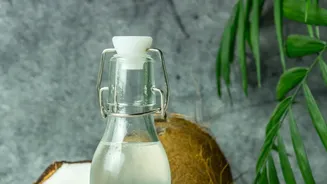
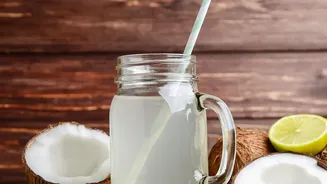
Creating this enhanced workout drink is simple. For a standard water bottle (about 500-750 ml), start with a base of pure, unsweetened coconut water and add a small pinch of high-quality sea salt or pink Himalayan salt — about 1/8 of a teaspoon is a good starting point. You can also add a squeeze of lemon or lime juice for flavour and a little extra vitamin C. For optimal results during a long or intense summer workout, sip on it before you start and continue drinking it throughout your session. This proactive approach helps maintain your electrolyte balance from the get-go, rather than trying to play catch-up after a cramp has already struck.