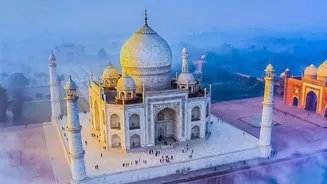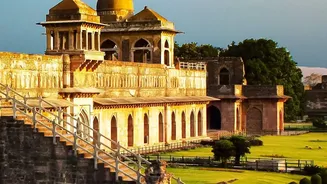


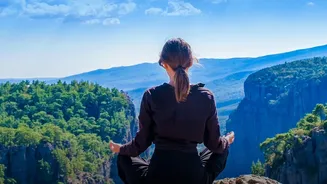


When you think of tourism in India, images of the Taj Mahal or the grand forts of Rajasthan likely come to mind. But a new chapter is unfolding. Travellers are now seeking more than monuments; they are searching for meaning, healing, and connection.
A Shift in Traveller Priorities
The
face of Indian tourism is undergoing a significant transformation. While historical sightseeing remains popular, a growing wave of domestic and international travellers is looking for deeper, more personal experiences. This shift is driven by a post-pandemic desire for holistic well-being, mental peace, and a break from the digital noise of modern life. Instead of asking 'Where should I go?', the question is becoming 'What do I want to feel?'. This has led to the rise of three powerful niches: wellness, spiritual, and nature tourism, which are reshaping the country's travel landscape. According to a Booking.com travel trends report for 2026, an overwhelming 91% of Indian travellers want to visit places with beautiful natural scenery, while 87% are looking for trips that help them mentally unwind.
The Boom in Wellness and Healing
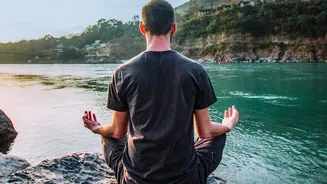
India is rapidly cementing its status as a global wellness hub, leveraging its ancient traditions of Ayurveda, yoga, and meditation. The Indian wellness tourism market is projected to be worth over USD 30 billion in 2026 and is expected to grow significantly. This is not just about a spa massage; travellers are booking immersive stays at retreats that offer personalised programs for stress management, detoxification, and lifestyle correction. Destinations like Kerala, renowned for its Ayurvedic centres, and Rishikesh, the 'yoga capital of the world', are at the forefront of this trend. Major hospitality brands are also entering the space, with hotel chains launching their own integrated wellness programs. The government is backing this growth with initiatives like the 'Heal in India' campaign and the introduction of special e-visas for wellness travel, simplifying access for global visitors seeking authentic healing experiences.
Journeys for the Soul
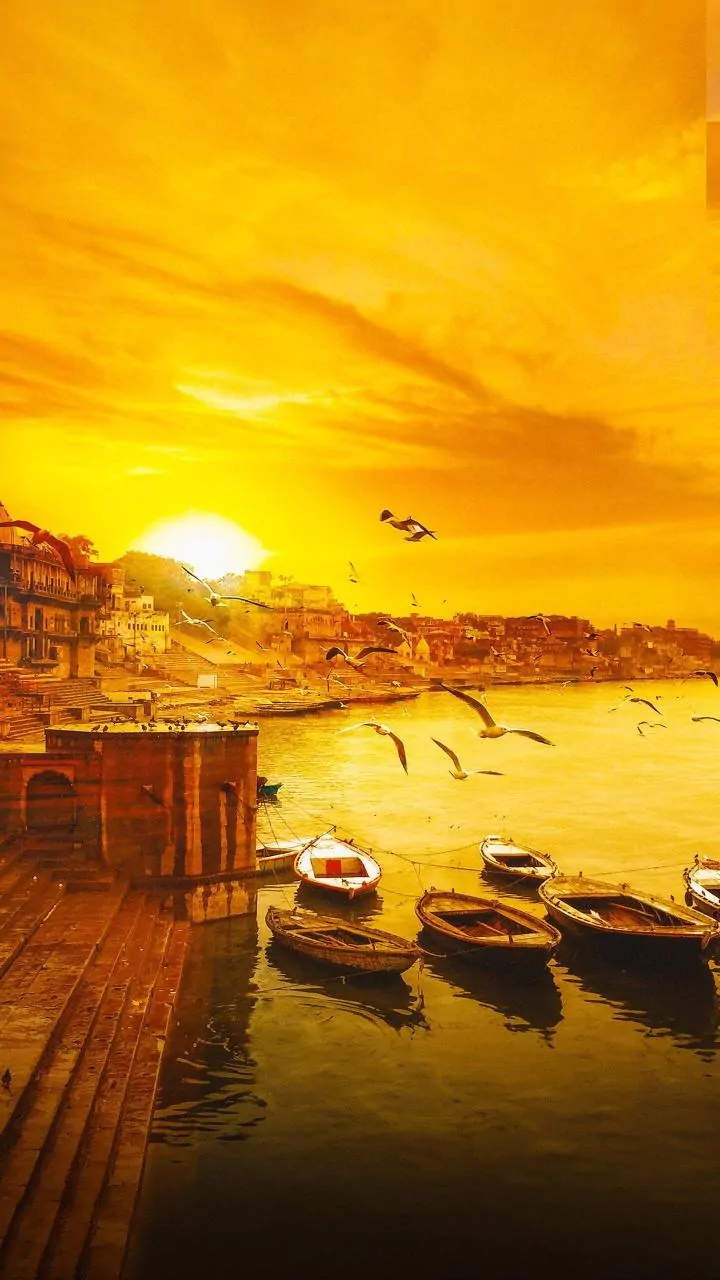
Spiritual tourism in India is also evolving beyond traditional pilgrimages. While religious sites saw a massive influx of over 1.4 billion domestic visitors in 2022, a new kind of spiritual seeker is emerging. These travellers are looking for inner peace and clarity, often outside the confines of formal religion. This has spurred the growth of meditation centres, silent retreats, and ashrams that welcome people from all backgrounds for self-incapabilities and mindfulness practices. The focus is on transformation and emotional healing, catering to those dealing with burnout and anxiety. This inclusive, experience-based approach to spirituality is making India a universally appealing destination for those on a journey of self-discovery.
Embracing the Call of the Wild
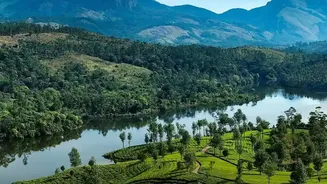
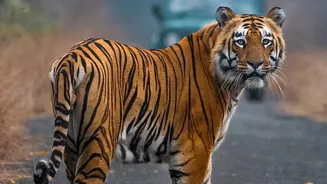
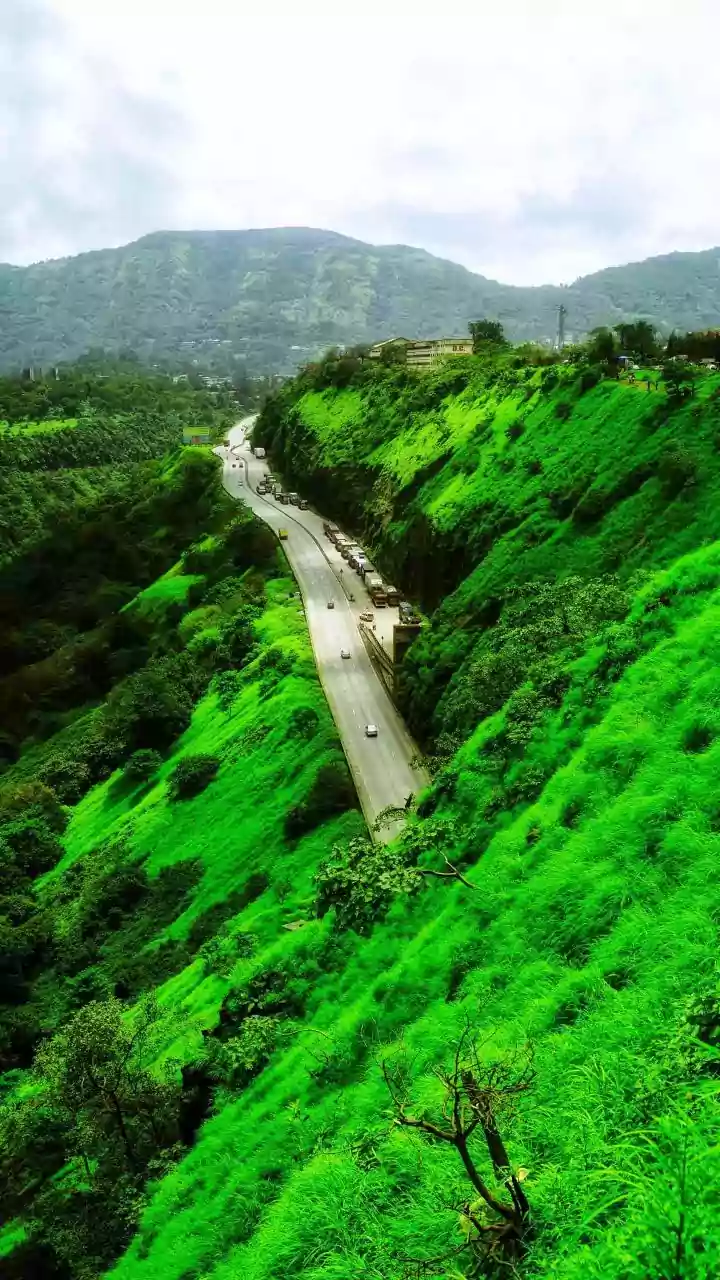
The desire to reconnect with the natural world is another major force reshaping Indian tourism. Ecotourism, which focuses on responsible travel to natural areas, has become a conscious choice for many. Travellers are venturing into the Himalayan foothills, the lush Western Ghats, and the forests of Central India. The appeal lies in wildlife safaris, trekking, staying in eco-friendly homestays, and experiencing landscapes untouched by mass tourism. This trend not only offers a refreshing escape but also helps distribute tourism's economic benefits to rural communities and supports conservation efforts. The government is actively promoting this diversification through campaigns like 'Dekho Apna Desh 2.0', which aims to develop and highlight lesser-known, nature-rich destinations to relieve pressure on traditional tourist hubs.