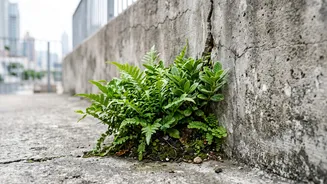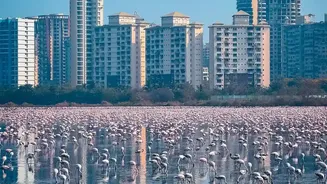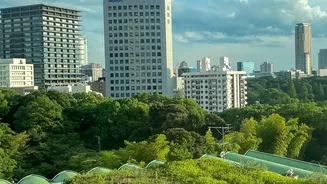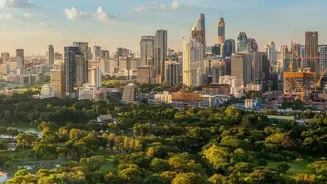




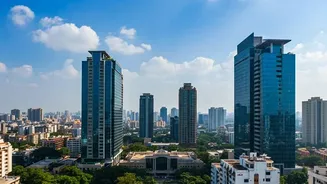
Beyond the endless traffic and towering skyscrapers of India's cities lies a hidden ecosystem. This isn't about parks or zoos, but a new wild frontier where resourceful animals are adapting to survive right alongside millions of people.
A New Concrete Savanna
As India's cities
rapidly expand, they swallow up forests, grasslands, and wetlands. This habitat loss is forcing many animal species to make a choice: retreat or adapt. Surprisingly, a growing number are choosing the latter. They are drawn to cities by the abundance of readily available food from garbage dumps and the shelter provided by buildings and man-made structures. This process is creating a unique phenomenon where animals once considered purely 'wild' are becoming our neighbours. From mammals to birds, these creatures are learning to navigate the challenges of the urban landscape, turning our metropolises into complex, living ecosystems where the line between the natural and built world is constantly blurring.
Mumbai's Elusive Leopards
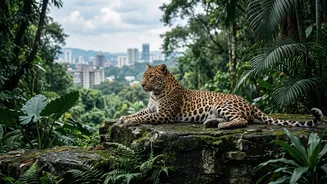
Perhaps the most dramatic example of urban adaptation is the leopard population in Mumbai. On the fringes of this megacity, abutting the Sanjay Gandhi National Park (SGNP), dozens of leopards coexist with a dense human population. These big cats have shown remarkable adaptability, using the cover of darkness to navigate residential areas. Their diet has shifted to include urban animals like stray dogs, which are often drawn to garbage dumps on the park's periphery. This has led to one of the highest densities of leopards ever recorded, thriving in the heart of a bustling urban environment. While conflicts do arise, local communities and conservation groups are working to foster coexistence, proving that humans and large predators can share the same space.
Delhi's Feathered and Four-Legged Residents
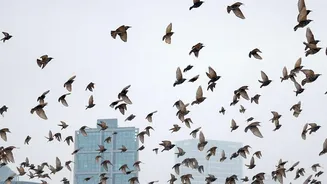
The skies above Delhi are dominated by the Black Kite, a raptor that has become a master of urban living. With one of the densest populations in the world, these birds thrive by scavenging from the city's massive garbage dumps and are even fed by residents in a practice tied to cultural beliefs. But the capital's wildlife isn't just in the air. Rhesus macaques are a common, if sometimes troublesome, sight, having adapted to life in temples and government buildings, exploiting human food sources. More surprisingly, the Nilgai, Asia's largest antelope and Delhi's state animal, is frequently spotted on the city's outskirts and sometimes even wandering down main roads, having strayed from green patches like the Asola Bhatti Wildlife Sanctuary.
The Challenge of Sharing Our Space
While the adaptability of these animals is fascinating, it also brings significant challenges. Human-wildlife conflict is a growing concern, ranging from macaques snatching food to more dangerous encounters. The very things that attract animals, like poorly managed waste, become hotspots for conflict. Animals also face urban-specific dangers like colliding with buildings, electrocution from wires, and traffic accidents. The story of the documentary 'All That Breathes', which follows two brothers in Delhi who rescue injured Black Kites, highlights the toll that urban life, particularly pollution, takes on these creatures. Their work underscores the vulnerability of even the most successful urban adapters.
Designing for Coexistence
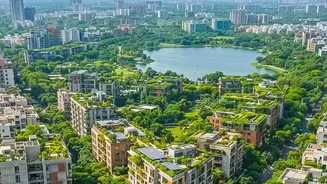
Managing this new urban ecosystem requires more than just reacting to conflicts. It demands a shift in how we plan our cities. Conservationists and urban planners advocate for creating 'green corridors' that allow animals to move safely between fragmented habitats. Effective waste management is crucial to reduce the lure of unnatural food sources. Furthermore, public awareness campaigns are vital to teach residents how to live alongside wildlife, reducing fear and preventing actions that can lead to conflict, such as feeding monkeys. Initiatives like Rapid Response Teams and community engagement are proving effective in managing volatile situations and fostering a sense of shared space.