






Mawsynram: The Reign of Rain
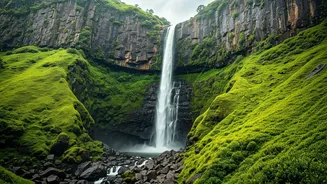
Nestled in the Khasi Hills of Meghalaya, Mawsynram holds the Guinness World Record as the wettest place on Earth. It receives an average annual rainfall of nearly 12,000 millimetres—a figure so immense it's hard to comprehend. But this constant deluge
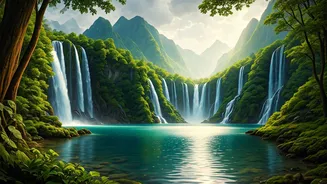
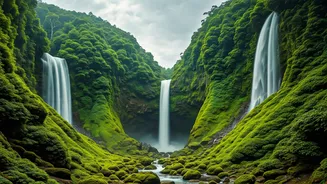
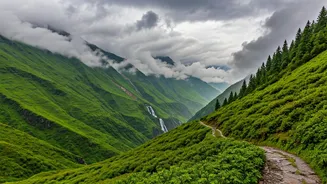
isn't a burden; it’s a creative force. The landscape here is a testament to water's power. The sound of rain is a constant, meditative soundtrack, ranging from a gentle patter to a deafening roar. This perpetual moisture gives birth to a shade of green so vibrant it feels otherworldly, blanketing everything from the rolling hills to the roofs of houses. The very air is thick with mist and the scent of damp earth. The architecture here is one of survival and adaptation. Villagers use thick grass to soundproof their huts against the relentless drumming of rain, a simple yet ingenious response to the environment. The result is a landscape that feels less built and more grown, a fluid world shaped by the sky.
Cherrapunji: Where Nature and Humanity Collaborate
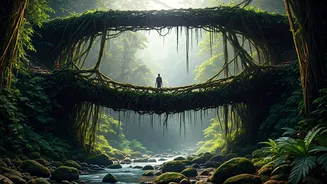
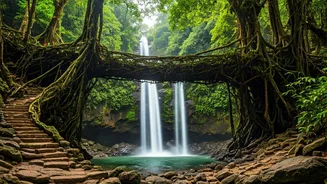
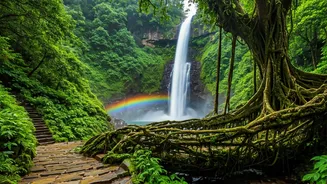
Just a short drive from Mawsynram lies Cherrapunji, or Sohra, its historical rival for the 'wettest' title. While Mawsynram now holds the official record, Cherrapunji is arguably the epicentre of the most stunning example of natural landscape architecture: the living root bridges. For centuries, the Khasi people have guided the aerial roots of the Ficus elastica tree across rivers and ravines, weaving them together to form sturdy, living structures. These bridges are the antithesis of conventional construction. They aren't built and then left to decay; they grow stronger over time, becoming more integrated with the forest floor each year. Some bridges are over 100 feet long and can support the weight of dozens of people. This is not humanity conquering nature, but partnering with it. The result is a network of pathways that are both breathtakingly beautiful and perfectly functional, a design masterpiece that combines biological engineering with ancestral wisdom.
The Chocó Rainforest: A Different Kind of Lush
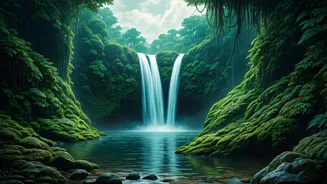
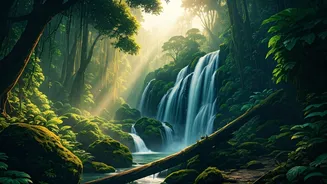
To see this phenomenon on another continent, we turn to the Chocó Department in Colombia. This coastal rainforest is one of the most biodiverse and rain-soaked regions on the planet. Here, the relentless Pacific moisture gets trapped by the Andes, creating a super-humid climate that supports an explosion of life. If Meghalaya’s landscape is defined by hills and waterfalls, the Chocó’s architecture is one of density and verticality. The jungle is so thick and the canopy so high that the forest floor exists in a perpetual twilight. The architectural marvel here is the sheer volume of life packed into every square metre. The trees are draped in mosses, orchids, and bromeliads, each one a miniature ecosystem. The ground is a complex web of roots, fungi, and decaying matter that fuels an endless cycle of growth. It’s a chaotic, vibrant, and fiercely competitive environment where every living thing is intricately connected, designed by the dual forces of water and sunlight.
The Architectural Signature of Water
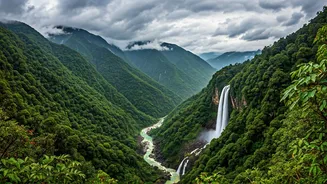
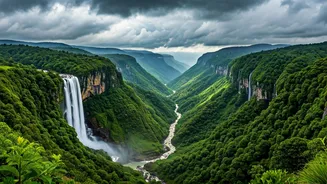
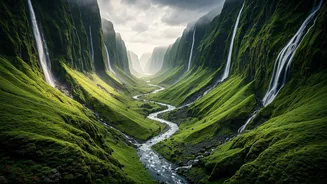
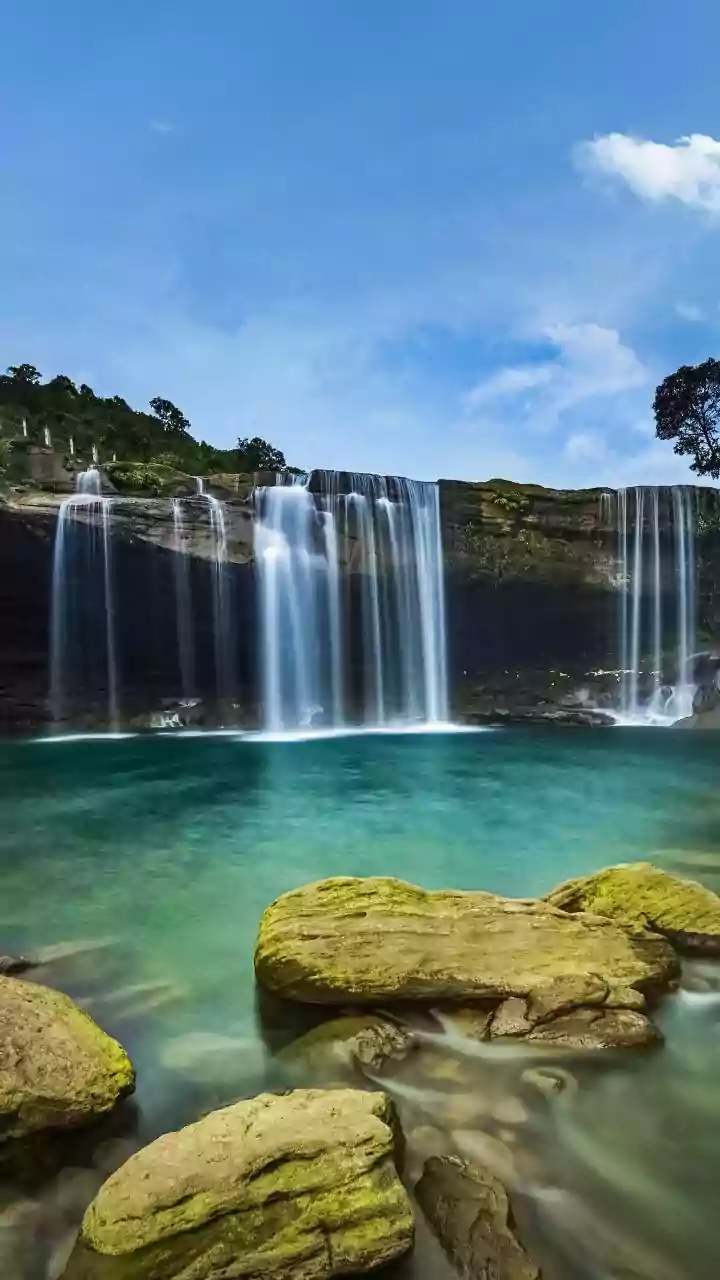
What unites these disparate locations is how the landscape has been fundamentally designed by water. It’s not just an element within the environment; it is the environment’s chief designer. The rain carves deep gorges and valleys, creating dramatic changes in elevation. It feeds countless waterfalls that cascade down cliffs, becoming temporary, powerful features of the terrain during monsoon season. This abundance of water erodes limestone, forming some of the longest and most complex cave systems in the world, like those found in Meghalaya. These subterranean worlds are another facet of rain's architectural prowess, hidden galleries sculpted over millennia. This process demonstrates that with enough time and persistence, water can build and un-build mountains, creating a dynamic, ever-changing structural beauty that no human hand could ever replicate on such a grand scale.