


A Tradition Reimagined
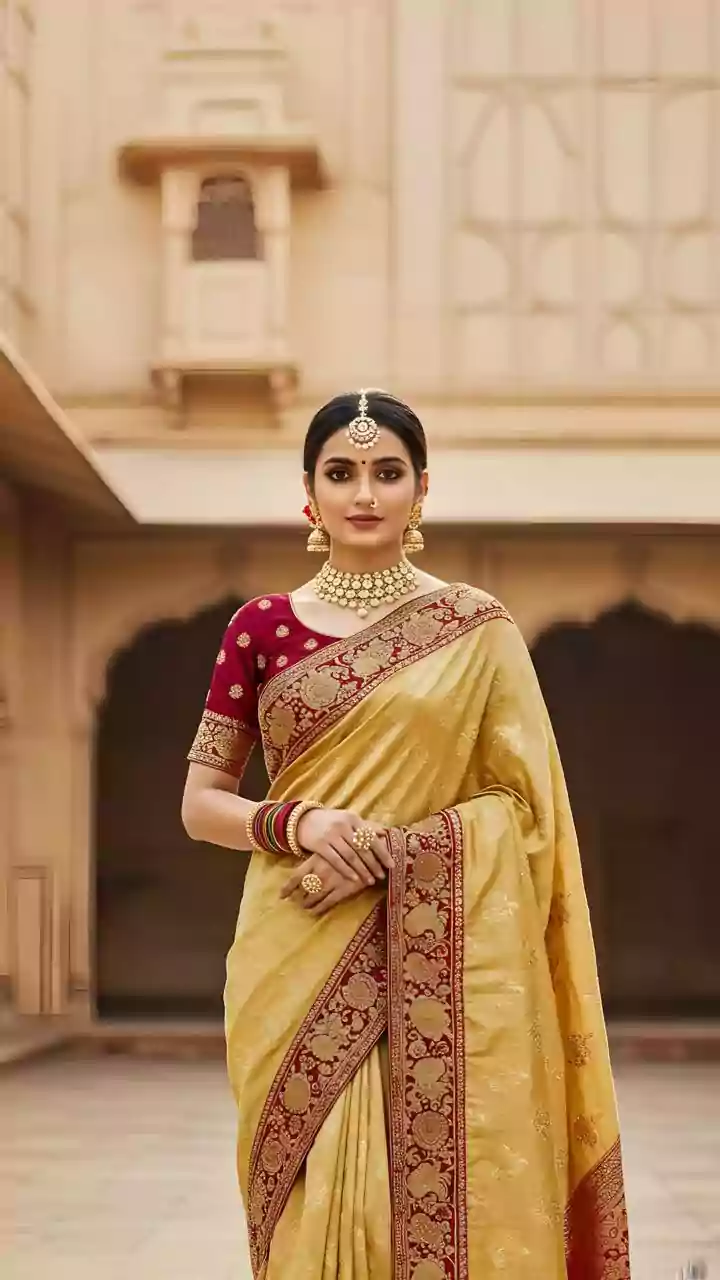
The familiar rustle of Kanjeevaram or the rich sheen of a Banarasi is no longer confined to the traditional six yards. A vibrant trend is taking hold among younger generations, driven by a desire to blend heritage with contemporary style. They are looking
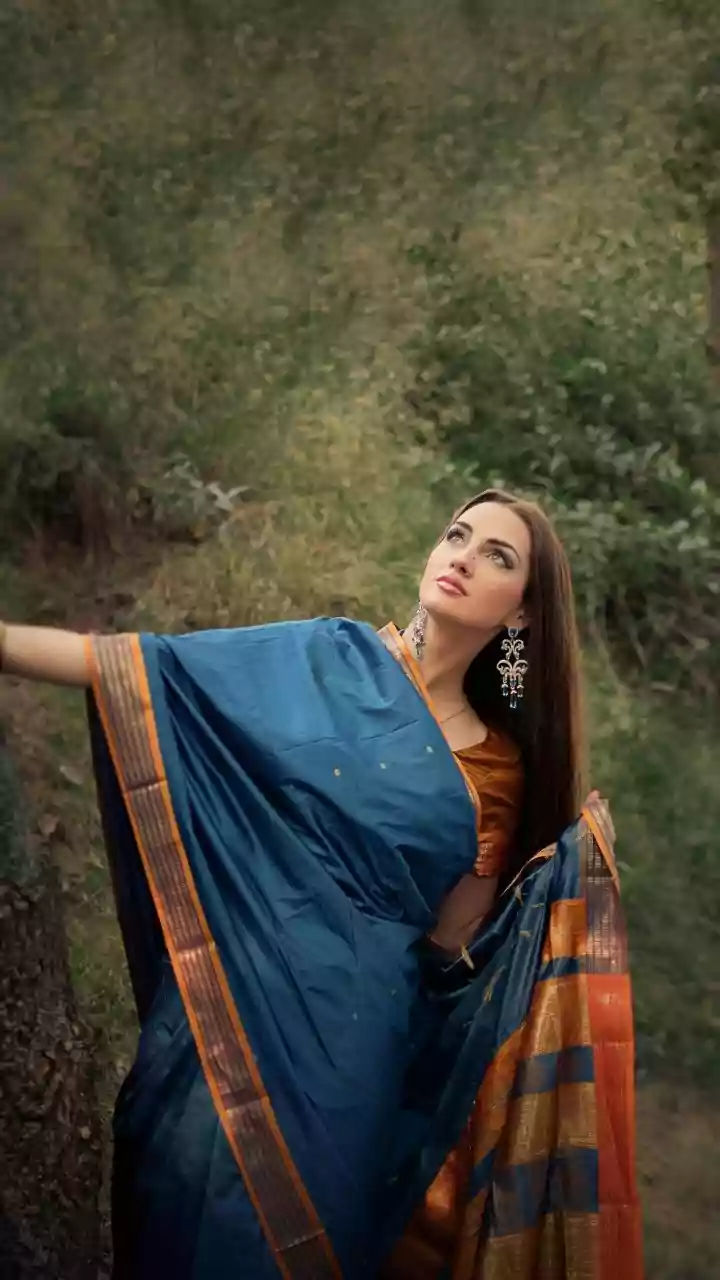
into their mothers' and grandmothers' wardrobes, not for vintage drapes, but for raw material. These precious silks are being skillfully deconstructed and then reconstructed into stylish co-ordinated sets, featuring everything from crop tops and palazzos to structured jackets and tailored trousers. This movement goes beyond simple tailoring; it's a form of storytelling, where the fabric's history is woven into a silhouette that speaks to the present moment. It’s a creative answer to the question of how to make heirloom pieces relevant and wearable today.
The Heart of the Matter: Sustainability and Sentiment
This upcycling wave is propelled by two powerful currents: sustainability and sentiment. In an era of fast fashion, there is a growing consciousness about the environmental impact of clothing. Upcycling is a direct response, reducing textile waste and promoting a circular fashion economy. Instead of buying something new for every festival, young consumers are choosing to invest in the clothes they already own, giving them a new identity. But even more potent is the emotional connection. These sarees are not just fabrics; they are legacies. They carry the scent of past celebrations and the touch of loved ones. Transforming a saree that belonged to a grandmother into a modern outfit allows the wearer to carry that personal history with them, creating a piece that is utterly unique and deeply meaningful.
From Six Yards to a Chic Set
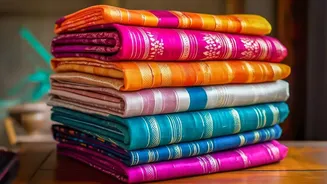
The transformation process is a creative collaboration between the owner and a skilled artisan or designer. Not all sarees are created equal for this purpose. Heavy silk sarees with intricate borders and rich pallus, like Kanjeevarams, Banarasis, and Paithanis, are ideal candidates. The heavier fabric lends itself well to structured garments, while the ornate pallu can be cleverly used for a statement blouse, corset, or jacket detail. Popular styles include pairing a crop top with a flared skirt or wide-leg pants, a sophisticated jacket worn over a simple top and trousers, or even chic shararas. The key is to strategically use the saree's most beautiful elements—its border, motifs, and pallu—to create a cohesive and striking two-piece ensemble. Many are turning to local boutique designers and specialized Instagram brands who have built a niche in this very craft.
A Statement of Individuality
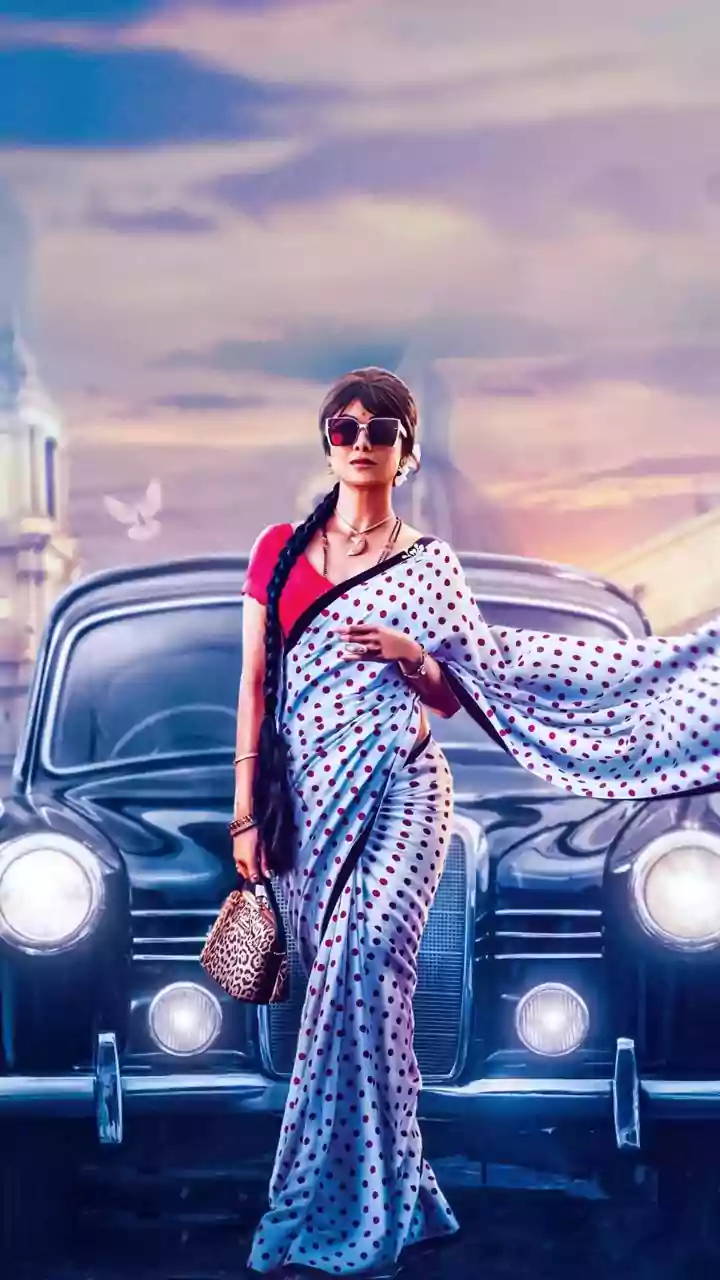
In a market saturated with mass-produced festive wear, an upcycled co-ord set is the ultimate statement of individuality. Each piece is, by its very nature, one-of-a-kind. The specific weave of the silk, the unique design of the border, and the personal story behind the saree cannot be replicated. Wearing one is a conversation starter, a nod to one’s roots, and a testament to personal style. Designers and brands like Sakhe and Zaitra are gaining popularity by catering to this demand, offering both ready-to-wear pieces and custom services. They understand that today’s fashion enthusiasts want more than just an outfit; they want a piece of wearable art that reflects their values and personality. This trend beautifully merges the respect for artisanal craftsmanship with a modern, global aesthetic.