





What Exactly Is Sattu?
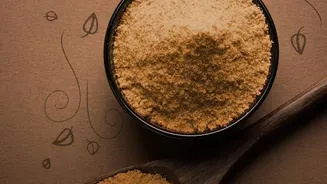
Often called the 'poor man's protein,' sattu is anything but humble in its nutritional profile. It's a flour made from roasted Bengal gram (chana), and sometimes other grains like barley. A staple in states like Bihar, Jharkhand, and Uttar Pradesh for
centuries, this ingredient is celebrated for its long shelf life, cooling properties, and incredible convenience—no cooking required. Traditionally consumed as a simple drink (sharbat) or used in parathas and litti, sattu is now being rediscovered by a new generation looking for clean, plant-based nutrition.
A True Protein Powerhouse
One of the biggest reasons for sattu's resurgence is its impressive protein content. A 100-gram serving of sattu can contain between 20 to 25 grams of plant-based protein. This makes it an excellent source for vegetarians, vegans, and anyone looking to fuel their morning. Starting your day with a high-protein meal promotes satiety, keeping you full and satisfied for longer, which can help manage weight and prevent mid-morning cravings for unhealthy snacks. This protein is also crucial for muscle repair and maintenance, making a sattu smoothie an ideal post-workout recovery meal.
Sustained Energy Without the Crash
Beyond protein, sattu is loaded with complex carbohydrates and has a low glycemic index (GI), typically ranging from 28 to 38. This means it releases sugar into the bloodstream slowly and steadily, providing sustained energy without the dreaded sugar crash that often follows sugary breakfast cereals or pastries. This quality makes sattu an excellent choice for individuals managing blood sugar levels. Furthermore, it is rich in dietary fibre, with some sources noting around 10 to 25 grams per 100g, which not only aids digestion but also contributes to that feeling of fullness.
Rich in Essential Minerals and Fibre
Sattu is a treasure trove of essential micronutrients. It is packed with iron, which helps fight fatigue; magnesium, which supports muscle and nerve function; and calcium for bone health. The high fibre content does more than just keep you full; it promotes good gut health by feeding beneficial gut bacteria and can help relieve issues like constipation and bloating. A healthy gut is the foundation of overall wellness, and starting your day with a fibre-rich food like sattu sets a positive tone for your digestive system.
The Modern Twist: From Drink to Smoothie Bowl
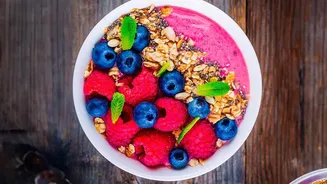
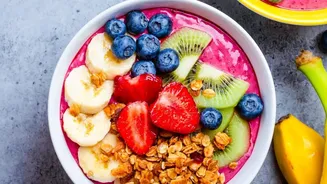
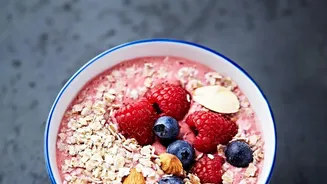
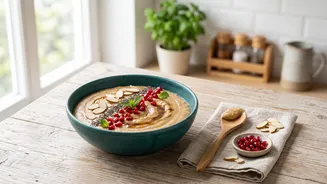
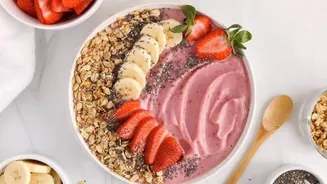
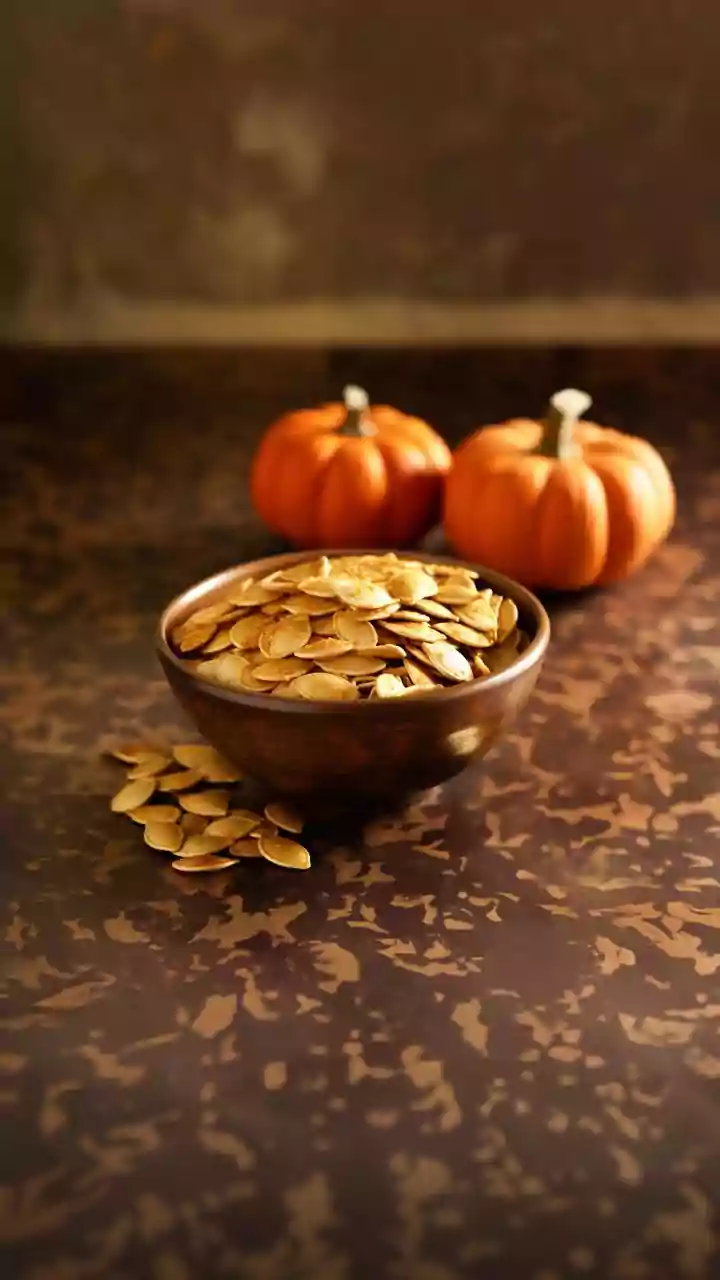
While the traditional sattu sharbat is quick and refreshing, the smoothie bowl transforms this humble flour into a complete, satisfying meal. Blending sattu with a liquid base like yogurt, milk, or a plant-based alternative creates a thick, creamy texture perfect for a bowl. This modern format allows for endless customisation. You can boost the nutritional value and flavour by adding fruits like bananas or berries, a spoonful of nut butter for healthy fats, and a sprinkle of seeds like chia, flax, or pumpkin for extra fibre and crunch. This turns a simple drink into a visually appealing and texturally interesting breakfast experience.
How to Make Your Own Sattu Smoothie Bowl
Creating your own sattu smoothie bowl is simple. In a blender, combine 3-4 tablespoons of sattu flour with about 200ml of your chosen liquid (curd, milk, almond milk, or even just water). Add half a banana or a few dates for natural sweetness. Blend until smooth and thick, pouring it into a bowl. Now for the fun part: the toppings. Add sliced fresh fruit, a sprinkle of mixed seeds for healthy fats and texture, and perhaps a few chopped nuts like almonds or walnuts. For a savoury twist, you can blend sattu with yogurt, black salt, and roasted cumin powder, then top with fresh coriander.