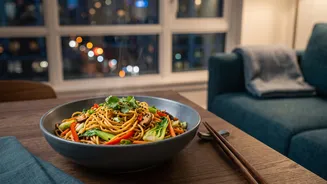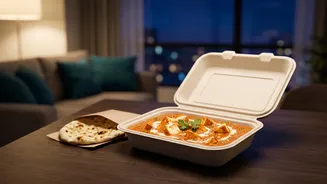

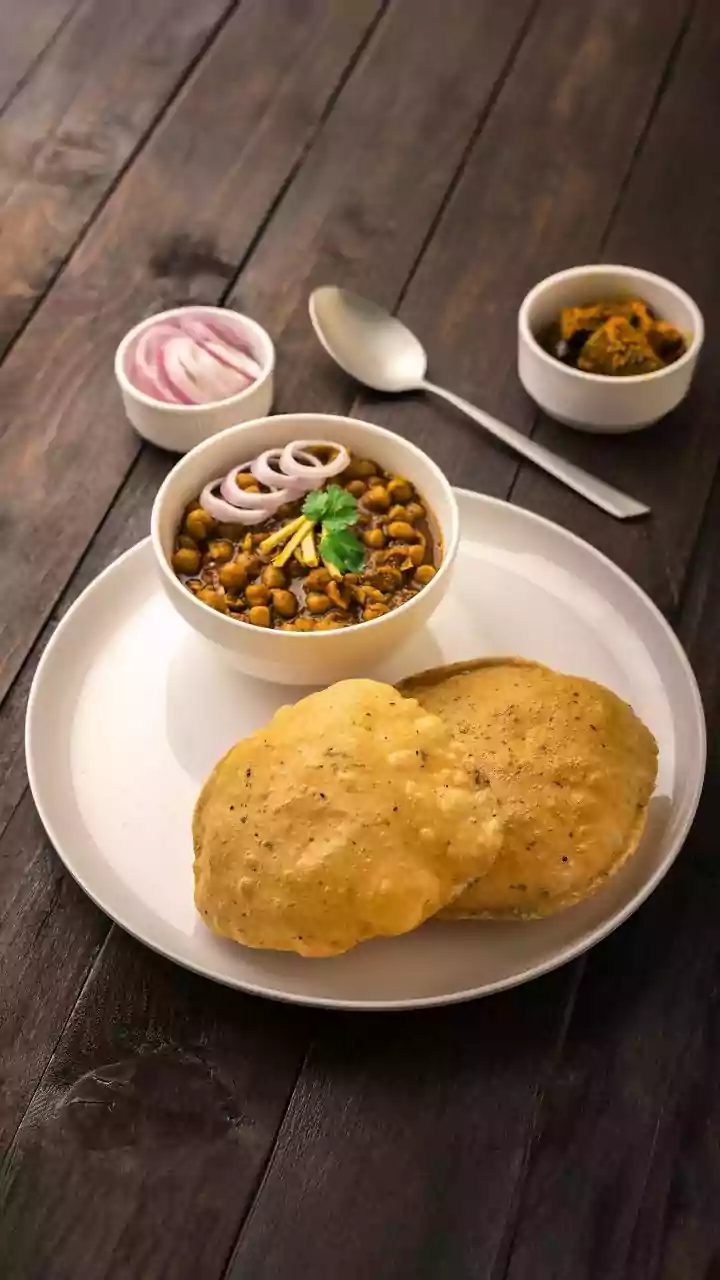
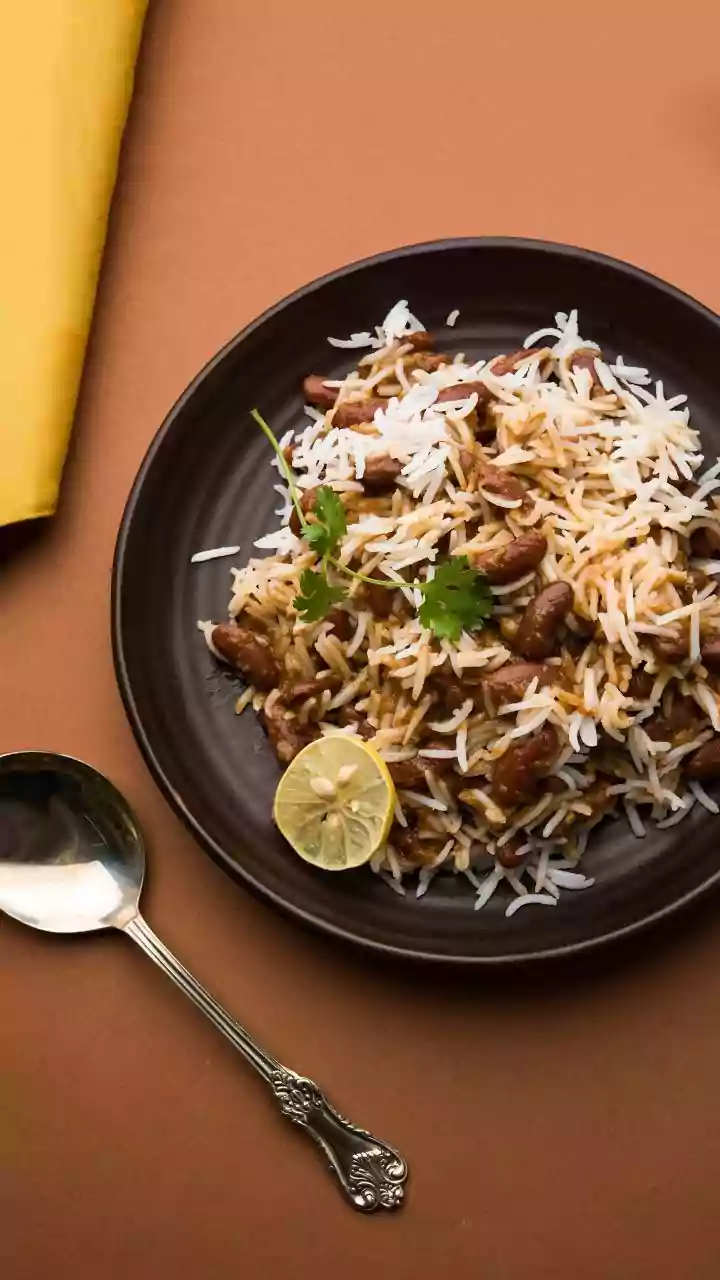



The After-Hours Appetite
Across India's bustling cities, a new primetime for dining has emerged, long after traditional dinner hours have passed. Food delivery platforms report that orders placed between 11 p.m. and 3 a.m. have surged, with some seeing late-night delivery volumes
double in just a year. This isn't a fringe phenomenon; it's a mainstream shift. Metros like Bengaluru, Hyderabad, and Mumbai lead the charge, but the trend is rapidly expanding to Tier-2 and Tier-3 cities, from Surat to Patna. This growth signals a fundamental change in daily routines, where the 'fourth meal' is no longer an exception but an increasingly common part of the urban Indian's week.
Why Dinner is Getting Later
Several factors are pushing meal times later into the night. Long work hours, demanding commutes, and the rise of jobs aligned with global schedules mean many professionals are only just winding down when restaurants used to be closing. Swiggy recently noted that post-10 p.m. office orders have increased year-on-year, even launching a special service for late-night workers. Beyond work, the culture of binge-watching entertainment and a desire for affordable indulgence after a stressful day also contribute. For Gen Z and young millennials, living in nuclear families or alone, the convenience of a hot meal delivered to their doorstep often wins over the effort of cooking. This isn't about laziness; it's a response to the pressures and patterns of modern urban life.
What's on the Midnight Menu?
When late-night hunger strikes, comfort is king. According to data from delivery platforms, biryani, pizza, and burgers consistently top the charts. One report noted 158 biryani orders every minute on its platform. Desserts have also carved out a significant niche, with items like choco-lava cakes and ice cream seeing a major spike in demand after dinner. This demand is met by a supply side that has adapted quickly. Major chains like Domino's and McDonald's now offer delivery until 3 a.m. in many locations. The entire ecosystem, from targeted app notifications for 'midnight cravings' to quick commerce platforms delivering ice cream and snacks in minutes, is designed to cater to this after-dark economy.
The Rise of the Night Kitchens
This 24/7 demand has been a boon for the cloud kitchen industry. These delivery-only establishments operate without the high overheads of a traditional restaurant, allowing them to focus entirely on preparing food for online orders. For many, the late-night window is highly profitable, with some reporting that 15-25% of their total orders come in between midnight and 4 a.m. This model allows them to capture a market with less competition than the crowded lunchtime and dinner slots. By leveraging technology to predict demand and optimise delivery, these 'ghost kitchens' have become a crucial backbone of the late-night food scene, ensuring that virtually any craving can be met at any hour.
A Convenience with Consequences
While the convenience is undeniable, health experts raise concerns about the long-term impact of this habit. Our bodies' natural circadian rhythms mean that digestion slows down at night. Regularly eating large, often high-calorie meals close to bedtime can disrupt this cycle, potentially leading to weight gain, poor digestion, acid reflux, and disturbed sleep. Studies suggest that frequent late-night eating can affect blood sugar control and may be linked to an increased risk of metabolic issues and cardiovascular problems over time. The issue isn't the occasional treat, but the normalisation of a routine that works against our body's natural clock.