


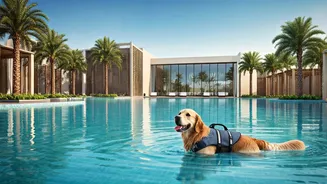




Welcome to the Pet Hotel California
Forget dusty kennels and cramped cages. The new generation of pet boarding facilities across India’s metro cities look more like boutique hotels than holding pens. These luxury resorts, popping up in and around cities like Bengaluru, Gurugram, and Mumbai,
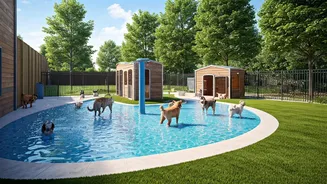
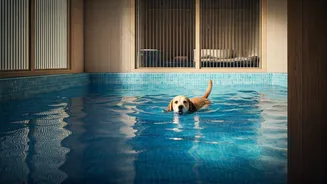
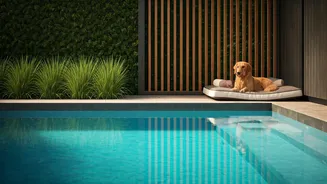
cater to a clientele that sees their pets as children, not just animals. The amenities list reads like a five-star travel brochure: air-conditioned private suites, orthopaedic bedding, 24/7 webcam access for anxious parents, and, yes, dedicated splash pools for a refreshing dip. Some establishments offer curated menus prepared by in-house chefs, catering to specific dietary needs and picky palates. Spa services, including aromatherapy baths and 'pawdicures', are often on the menu, alongside agility training courses and organised social hours with other well-heeled canine guests. This is the pinnacle of the 'pet humanisation' trend, where no expense is spared to ensure the comfort and happiness of a beloved companion.
From 'Owner' to 'Parent'
This trend is powered by a fundamental shift in vocabulary and mindset. Millennials and Gen Z are far more likely to refer to themselves as 'pet parents' rather than 'pet owners', a subtle but significant change. The term 'owner' implies property, while 'parent' suggests a deep, familial bond with responsibilities of care, love, and emotional support. For many young urban professionals, pets fill an important emotional role. They are companions in a way that previous generations might not have experienced, offering unconditional affection in increasingly isolated, fast-paced lives. This emotional investment naturally extends to how they are cared for. When it comes time for a vacation or a work trip, the idea of leaving their 'fur baby' in a standard, soulless kennel induces guilt and anxiety. A luxury resort, however, feels less like abandonment and more like sending them to a fun, enriching summer camp.
The Millennial and Gen Z Factor
Several socio-economic factors are driving this phenomenon, particularly among younger Indians. With many delaying traditional life milestones like marriage and children, pets have become the primary focus of their nurturing instincts and disposable income. A dog or cat is often the 'first baby' for a young couple. They invest time, energy, and money into their pet's well-being as a practice run for, or sometimes a replacement for, human children. Social media also plays a huge role. Platforms like Instagram are flooded with accounts dedicated to pampered pets, showcasing their lavish lifestyles. Booking a suite with a mini pool for your beagle isn't just about their comfort; it's also a status symbol and a source of shareable content that reinforces one’s identity as a dedicated and loving pet parent. This aspirational spending is a hallmark of these generations, applying the same principles of wellness and experience-seeking to their pets as they do to themselves.
A Booming Niche in a Growing Market
While pet resorts with private pools represent the premium end of the spectrum, they are part of India's exponentially growing pet care market. Valued in the thousands of crores and expanding rapidly, the industry encompasses everything from premium pet food and grooming services to veterinary care and accessories. The rise of these luxury accommodations signals a new level of maturity in the market. Entrepreneurs are spotting a clear gap: a demand from high-income households for services that mirror human luxury. These businesses are not just selling a service; they are selling peace of mind. For a young pet parent, knowing their companion is safe, stimulated, and happy is worth the premium price tag, which can run from ₹1,500 to over ₹4,000 per night. It transforms a necessary evil—boarding a pet—into a positive, guilt-free experience for everyone involved.