




Ventilation is Your First Defence
The single most effective weapon against dampness is good air circulation. High humidity creates the perfect environment for mould to flourish, and stagnant air traps that moisture indoors. Make it a daily habit to open windows and doors for a few hours,
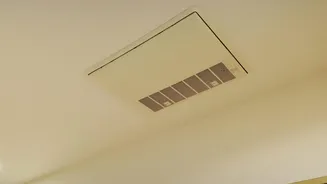
especially on dry or sunny days, to allow fresh air to circulate and push humid air out. In areas that generate a lot of moisture, like kitchens and bathrooms, always use an exhaust fan to pull damp air out of the house immediately. This simple, consistent practice can dramatically reduce the chances of mould gaining a foothold.
Proactive Checks and Repairs
Prevention starts before the first drops of rain fall. Before the season begins, conduct a thorough inspection of your home’s exterior. Look for any cracks in the walls or roof where water could potentially seep in and seal them with a quality waterproof compound. Pay close attention to your drainage systems. Ensure that gutters and pipes are clear of leaves and debris so that rainwater flows away from your home's foundation efficiently. Addressing these small issues proactively can prevent major water damage and dampness problems down the line.
Actively Control Indoor Humidity
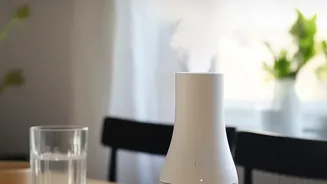
Sometimes, ventilation alone isn't enough to combat extreme monsoon humidity. This is where a dehumidifier can be an excellent investment. Place the unit in the most humid parts of your home, such as basements or windowless bathrooms, and be sure to close doors and windows in that room to maximize its effectiveness. For a more low-tech approach, you can use natural moisture absorbers. Placing bowls of rock salt or charcoal briquettes in damp corners can help draw moisture from the air. For smaller, enclosed spaces like cupboards and drawers, silica gel packets are very effective at keeping things dry.
Protect Your Furniture and Wardrobes
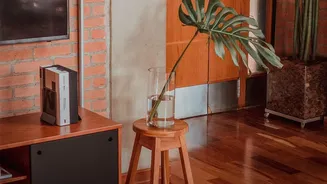
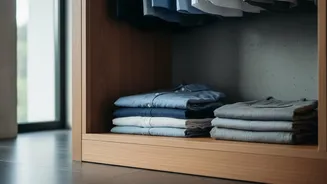
Dampness doesn't just affect walls; it can ruin expensive furniture and clothing. Wooden furniture is particularly vulnerable, as it can swell and warp. To protect it, maintain a gap of at least six inches between your furniture and the walls. This space allows for better air circulation and prevents moisture from getting trapped, which is a common cause of mildew. Inside your wardrobes, take care to only store clothes that are completely dry. Using traditional deterrents like camphor or naphthalene balls can also help protect fabrics from both dampness and insects.
How to Safely Clean Mould
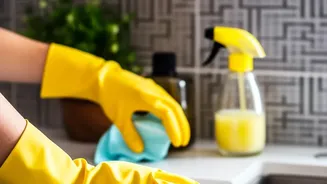
If you spot mould, it’s important to clean it safely and effectively. For small surface-level patches, you can use common household items. A solution of equal parts white vinegar and water can be sprayed on the affected area; let it sit for an hour before wiping it clean. Alternatively, a few drops of tea tree oil mixed with water serves as a natural fungicide. A paste made from baking soda and water can also be applied, left to dry, and then scrubbed off with a brush. When cleaning, always wear gloves and a mask to avoid inhaling mould spores.
When to Call in the Professionals
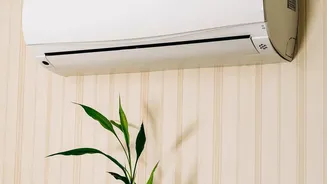
While DIY methods are effective for minor issues, some situations require professional help. If you find a large area of mould, generally more than 10 square feet, it's best to call an expert. Professionals are also needed if you suspect mould is growing inside your walls or within your HVAC system, which can pose a significant health risk. They have the specialised equipment and expertise to safely remove widespread mould, identify the underlying moisture source, and ensure it doesn't return, protecting both your property and your family's health.