

Why the Monsoon Puts Your Food at Risk
The magic of the monsoon lies in its moisture, but this same humidity is what makes it a challenging time for food safety. The combination of dampness and ambient warmth creates an ideal environment for harmful microorganisms like bacteria and fungi to
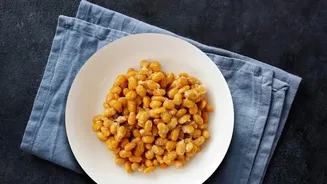
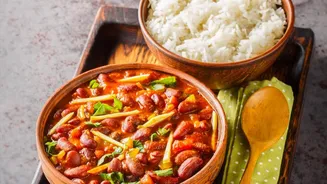
multiply rapidly. Food that might stay fresh for hours in dry weather can become risky much faster during the rains. This is especially true for everyday Indian staples like cooked dal, rice, curries, and meat dishes. The increased moisture in the air settles on surfaces and even in food that isn't sealed properly, giving germs a head start. Understanding this risk is the first step toward a healthier monsoon kitchen.
Follow the Two-Hour Rule Religiously
One of the most critical food safety guidelines is the 'two-hour rule'. Any perishable cooked food should be refrigerated within two hours of being prepared. If the room temperature is particularly high, this window shrinks to just one hour. During the monsoon, it's wise to stick to this rule without exceptions. Leaving a pot of curry or a bowl of rice on the kitchen counter for an entire afternoon is a common practice, but it's a significant gamble with your health. Bacteria thrive in the temperature 'danger zone' between 5°C and 60°C, and leaving food out invites trouble. Don't wait for food to smell or look off; many harmful bacteria leave no trace.
Cool Down Before You Cover and Store
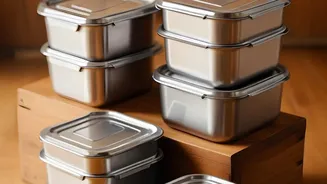
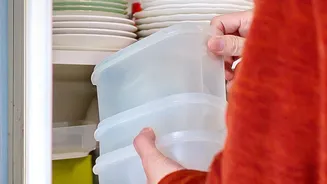
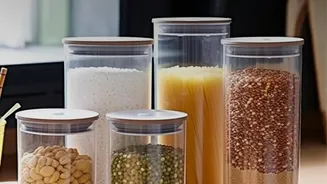
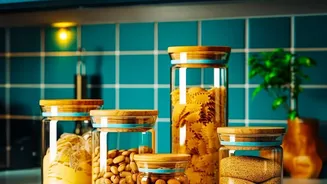
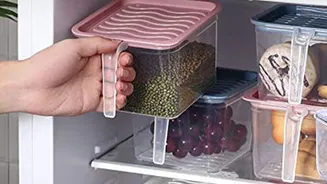
When it's time to store leftovers, how you do it matters immensely. A common mistake is to cover a dish while it's still piping hot and place it in the fridge. This traps steam, which then condenses into water, creating the exact moist environment you want to avoid. Instead, allow cooked food to cool down partially before covering it. To speed up the cooling process, you can divide large quantities into smaller, shallower containers. Once cooled, store everything in clean, airtight containers. This prevents moisture from the air getting in and stops odours and bacteria from spreading between different foods inside your refrigerator.
Reheat Thoroughly, But Don’t Expect Miracles
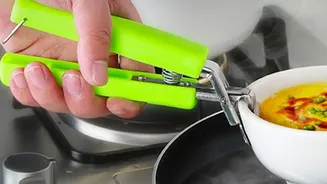
Reheating leftovers is a great way to reduce food waste, but it's not a magic bullet for food that has been stored improperly. While heating food to a high temperature can kill most active bacteria, it cannot eliminate the toxins some bacteria produce when left at room temperature for too long. These toxins can remain and still make you sick. Therefore, safe storage is your first line of defence. When you do reheat, make sure the food is heated all the way through, not just made lukewarm. For gravies and dals, bring them to a rolling boil for at least a minute. For solid items, ensure they are steaming hot in the centre.
Cook Smaller Batches for Ultimate Freshness
While cooking in bulk can be a time-saver, the monsoon is a good season to shift your strategy. Try to cook smaller quantities of food that can be consumed in a single meal. This habit ensures you are eating freshly prepared food, which is always the safest and most nutritious option. It minimizes the need for storing leftovers, thereby reducing the chances of spoilage and contamination. If you do cook extra, plan to consume it at the very next meal. The less time cooked food spends in storage, the lower the risk of it becoming a health hazard. This approach not only enhances safety but also allows you to enjoy the fresh flavours of your cooking every time.
Prevent Kitchen Cross-Contamination
Your diligence with cooked food can be undone by poor kitchen hygiene. Cross-contamination—the transfer of germs from one source to another—is a major risk. Always keep raw meat, poultry, and seafood separate from cooked food. This applies to storage in the refrigerator and during preparation. Use separate chopping boards and knives for raw and ready-to-eat foods. Wash your hands thoroughly with soap and water before handling food and after touching raw ingredients. Also, ensure all your utensils, cooking surfaces, and storage containers are cleaned properly, preferably with warm water, to keep your entire kitchen environment safe and hygienic.