

The Morning Scroll Revolution
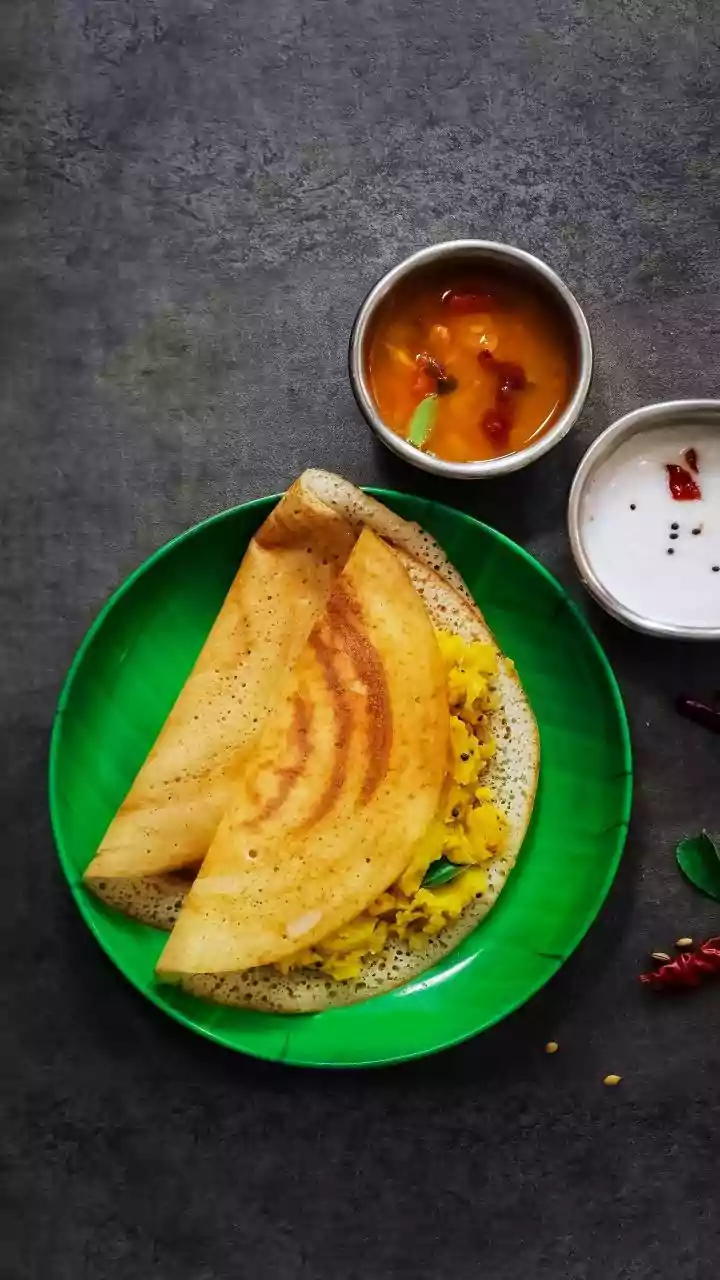
Not long ago, breakfast choices were often limited to what was locally available or familiar. Today, a quick scroll through Instagram or YouTube can transport you to a bustling street in Kolkata for egg rolls or a quiet kitchen in Kerala preparing a perfect
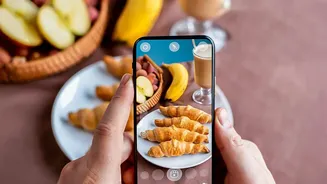
dosa. Social media platforms, with their emphasis on visuals, have become the perfect stage for India's diverse and colourful cuisine. Short-form videos, like Reels and Shorts, spread culinary trends rapidly, making dishes look irresistible and creating a sense of shared experience among millions of users. A simple hashtag can lead you down a rabbit hole of regional flavours, making you crave a breakfast you may have never heard of before.
Champions of the Local Dish
This digital food revolution is powered by a growing army of home chefs, food bloggers, and small entrepreneurs. Platforms like Instagram and Facebook provide them with a direct channel to a wide audience, bypassing the need for expensive restaurant setups. These creators are not just sharing recipes; they are telling stories. They are documenting their family's culinary heritage, from a grandmother's secret sambar recipe to a forgotten festival sweet. This authentic storytelling resonates with audiences, creating a connection that goes beyond just the food. It has empowered many, particularly women, to turn their passion for cooking into a viable business from their own kitchens.
Reviving Forgotten Flavours
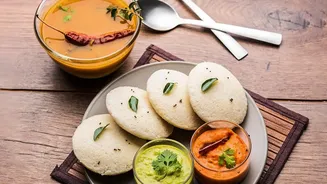
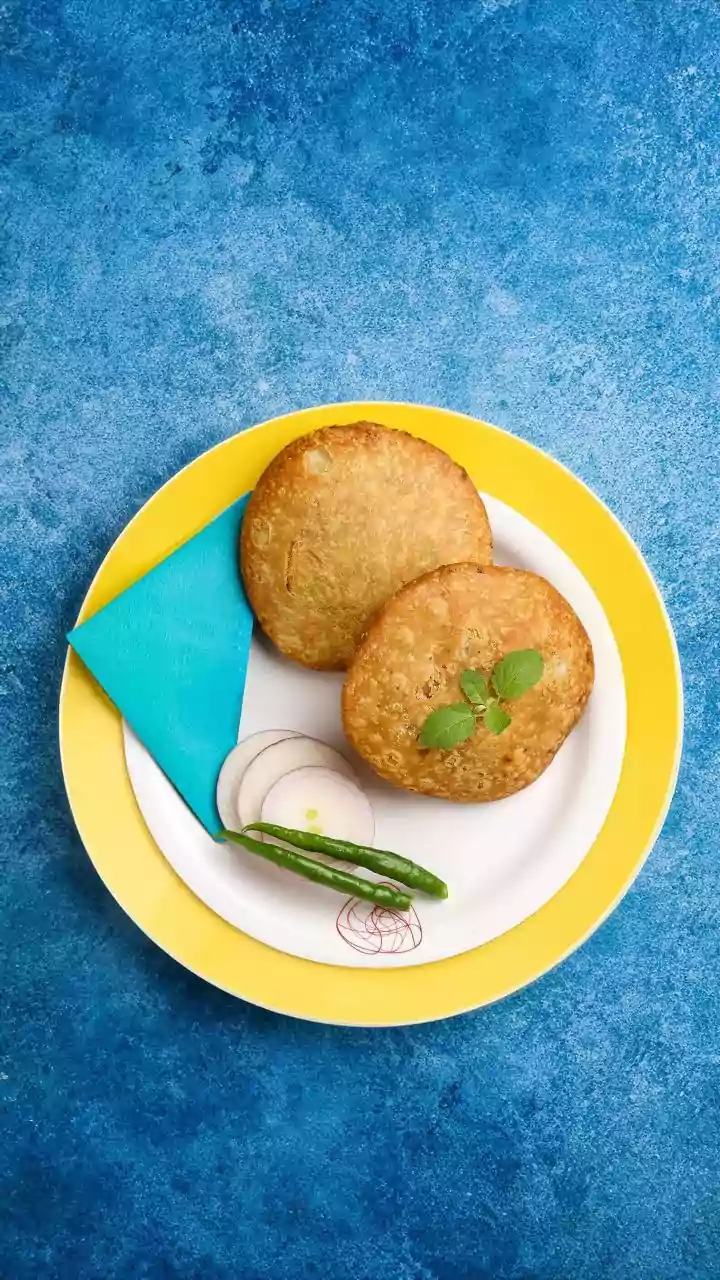
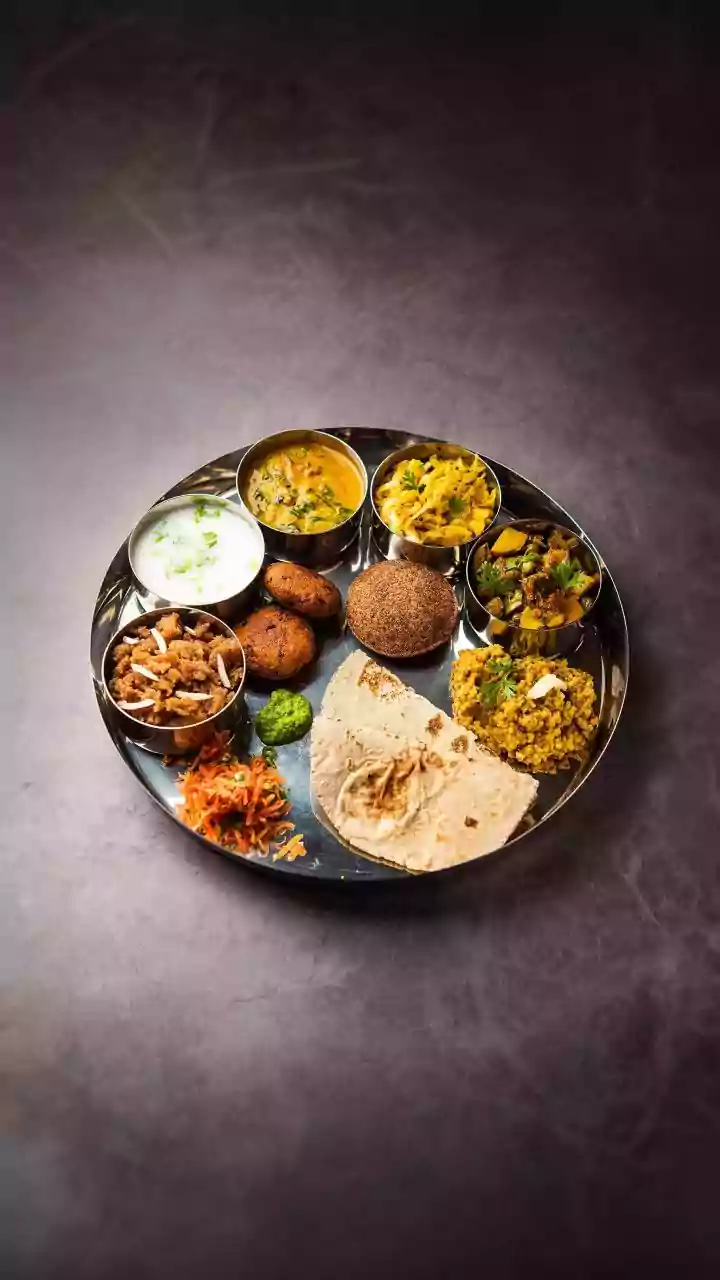
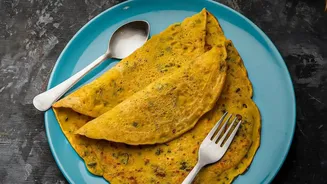
While popular dishes like idli-sambar and parathas have always had their place, social media is playing a crucial role in reviving lesser-known and hyper-regional recipes. Dishes that were once confined to specific communities or villages, such as Uttarakhand's Aloo Ke Gutke or Jharkhand's Dhuska, are now finding a national audience. Food influencers and culinary historians are actively seeking out and documenting these vanishing recipes, helping to preserve India's rich culinary diversity. This trend has sparked a renewed interest in traditional ingredients and cooking techniques, encouraging a new generation to appreciate the depth and variety of Indian food culture.
From Likes to Livelihoods
The impact of this trend is not just cultural but also economic. For many small-scale vendors and home chefs, social media has become an invaluable tool for business. A viral video of a street vendor preparing a unique dish can lead to a massive increase in footfall, turning a local favourite into a must-visit destination. Home chefs are using Instagram DMs and WhatsApp to manage pre-orders for weekend breakfast specials, often selling out within hours of an announcement. This direct-to-consumer model allows them to build a loyal customer base and generate a steady income, democratising the food industry and creating new economic opportunities across the country.
Creating a Truly National Palate
Ultimately, the greatest impact of this social media-driven movement is the creation of a more integrated national palate. It is breaking down geographical barriers, allowing someone in Delhi to discover and even order a traditional breakfast from a home chef in Chennai. Platforms that connect home cooks with customers are flourishing, bridging the gap between digital discovery and real-world consumption. This cross-pollination of cuisines enriches everyone's dining experience and fosters a deeper appreciation for the country's vast culinary landscape. What was once hyper-local is now becoming accessible to all, making every morning an opportunity for a new and delicious discovery.