







The Pre-Trip Vehicle Health Check
Before you even think about packing, give your car a thorough inspection. Wet roads and poor visibility make well-functioning equipment non-negotiable. Pay special attention to your tyres; good tread is crucial for gripping wet roads and preventing skidding.
Experts suggest a minimum tread depth of 3mm for monsoon safety. Also, check tyre pressure, including the spare. Your wipers are your first line of defence against blinding rain, so replace them if they leave streaks. Ensure all lights—headlights, tail lights, and indicators—are bright and working correctly. Finally, have your brakes inspected. Wet roads significantly increase stopping distances, and you'll want your braking system to be in top condition.
Pack a Monsoon-Ready Emergency Kit
While you should always travel with an emergency kit, a monsoon-specific one is vital. Include a powerful torch, a fully charged power bank, and a comprehensive first-aid kit with basics like antiseptic wipes, bandages, and any personal medications. Pack dry snacks such as nuts and biscuits, along with clean drinking water, in case you get stuck in a delay. It's also wise to have waterproof bags or zip pouches to protect your mobile phones, documents, and other electronics. A few extra plastic bags are incredibly useful for stashing wet clothes or muddy shoes to keep the rest of your luggage dry.
Smart Driving on Wet Roads
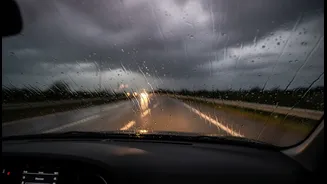
The golden rule of driving in the rain is to slow down. Wet roads increase braking distances and the risk of hydroplaning, where your tyres lose contact with the road. Reduce your speed by at least five to ten miles per hour from your usual pace. Double your following distance from the vehicle ahead to give yourself more time to react. Use your low-beam headlights to improve your visibility and, just as importantly, to make sure other drivers can see you. Avoid sudden braking or sharp turns, which can cause you to skid. If you do start to hydroplane, take your foot off the accelerator and steer straight until your tyres regain grip; do not slam on the brakes.
Navigating Waterlogged Areas
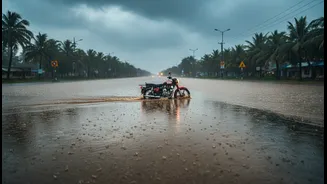
One of the biggest hazards during heavy rains in India is waterlogged roads. If you can't see the road surface or gauge the depth of the water, do not attempt to drive through it. It’s always better to wait for the water to recede or find an alternate route. Hidden potholes, open manholes, or other debris could be lurking beneath the surface, causing serious damage to your vehicle or leaving you stranded. If you must drive through a shallow puddle, drive slowly and steadily in a low gear. After you're through, tap your brakes gently a few times to help dry them out.
Keeping the Family Comfortable and Safe
Traveling with family, especially children, requires extra planning. Pack quick-drying clothes instead of heavy cottons or jeans. Extra sets of clothes are a must for kids who can't resist a good puddle. Bring waterproof footwear with good grip for everyone to prevent slips and falls on wet surfaces. Since rain can cause unexpected delays, have books, small games, or a tablet with downloaded shows to keep children entertained. Mosquitoes are more prevalent during the monsoon, so carry an effective insect repellent to protect against bites and potential illnesses like dengue.
Stay Informed and Flexible
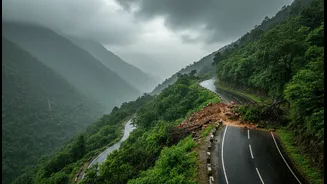
Monsoon weather is unpredictable. Before you leave and during your trip, check reliable weather apps and local traffic police updates for information on road conditions, landslides, or flooding along your route. Be prepared for delays and don't over-schedule your itinerary. Building buffer time into your travel plans reduces stress and makes the journey more enjoyable. Sometimes the safest decision is to pull over at a safe spot, like a petrol station or restaurant, and wait for a heavy downpour to subside. The goal is to reach your destination safely, not quickly.