

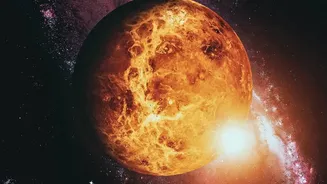
The Enigma of Earth's Twin
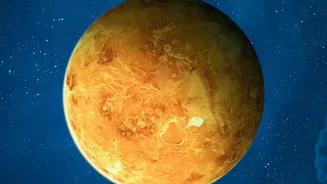
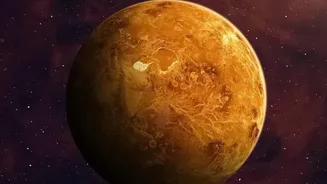
Venus is a planet of contradictions. It’s similar to Earth in size, mass, and composition, leading scientists to label it our planetary twin. Yet, it’s the most hostile world in the solar system. Its surface is hot enough to melt lead, with a crushing
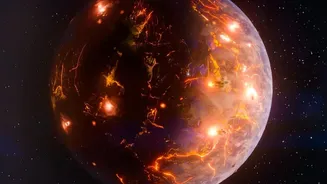
atmospheric pressure over 90 times that of Earth's. This hellish landscape is a product of a runaway greenhouse effect, where a dense carbon dioxide atmosphere traps intense heat. For decades, a critical question has been whether Venus is geologically active like Earth or a dormant world. Finding evidence of active volcanoes has been a primary goal for planetary scientists, as it would confirm that the planet's interior is still hot and dynamic. Recent analyses of old radar data from NASA's Magellan mission have provided tantalizing hints, showing surface changes that look like fresh lava flows from the early 1990s. However, the evidence remains debated, with some studies suggesting the radar anomalies could be misinterpreted.
A Telltale Chemical Signature
This is where sulfur dioxide (SO2) comes in. This pungent gas is a common byproduct of volcanic eruptions on Earth. On Venus, SO2 is one of the most important trace gases in the atmosphere and a key ingredient in its infamous sulfuric acid clouds. The mystery is that SO2 should have a short lifespan in the upper atmosphere, where it is broken down by sunlight. The fact that it's still present in significant—and fluctuating—amounts strongly implies something is actively replenishing it from below. The most likely candidate is ongoing volcanic activity. If volcanoes are regularly spewing sulfur into the atmosphere, it would explain the sustained presence of SO2. Mapping the concentration of this gas with high precision over time could provide the smoking gun that scientists have been searching for, linking atmospheric changes directly to geological events on the surface.
ISRO's Ambitious Mission
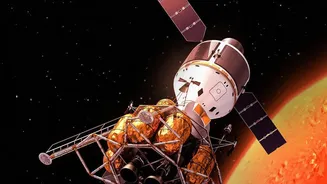
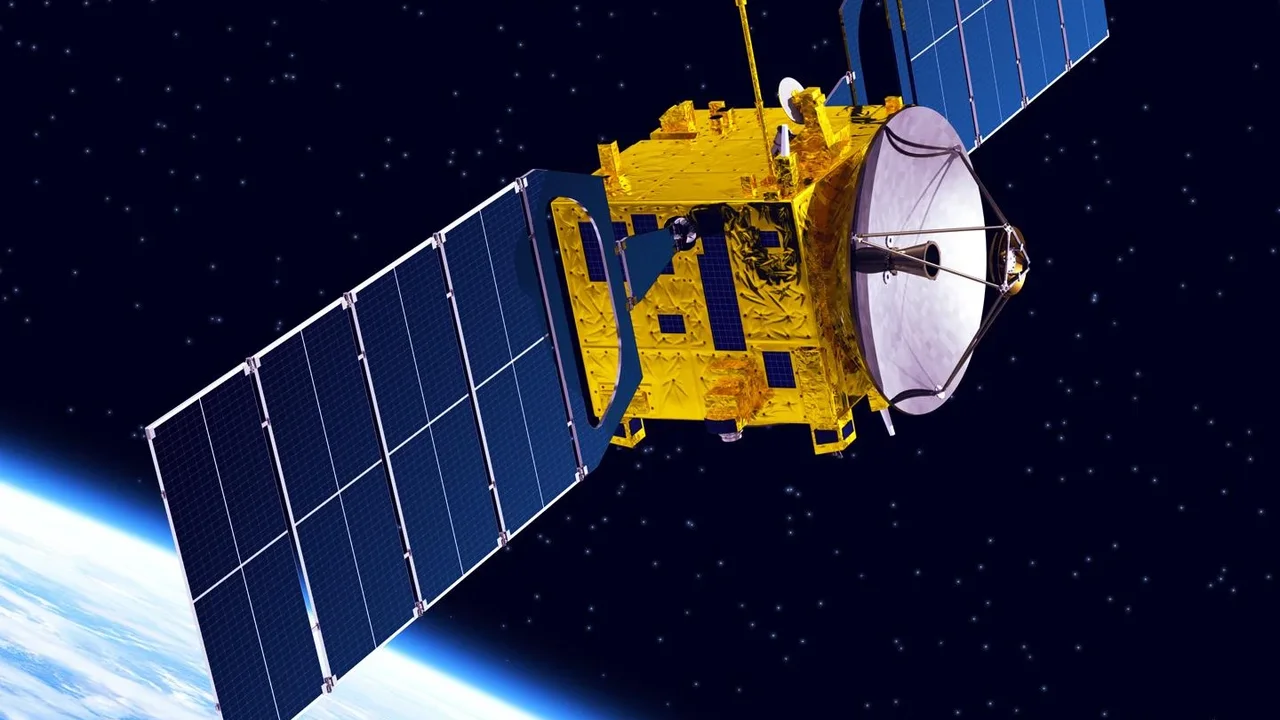
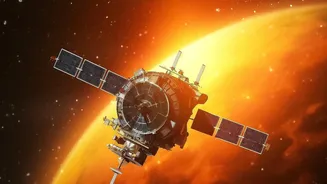
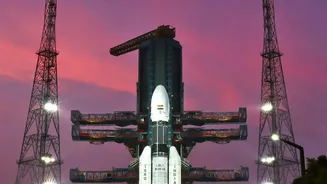
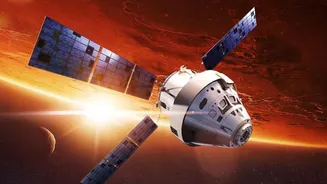
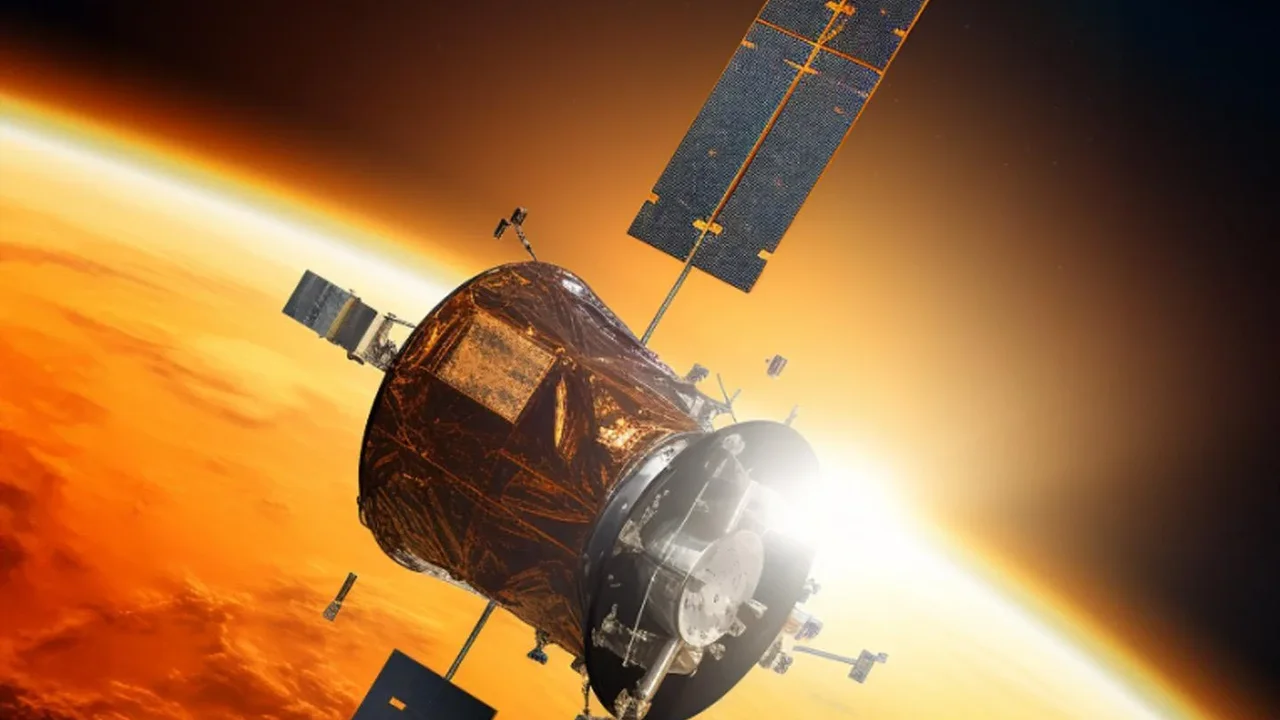
Enter the Indian Space Research Organisation's (ISRO) Venus Orbiter Mission, popularly known as Shukrayaan. Formally approved in September 2024 and scheduled for a 2028 launch, this mission is poised to provide the crucial data needed to solve the SO2 puzzle. Shukrayaan will be equipped with a suite of advanced instruments designed to peer through Venus's thick clouds and analyze its atmosphere and surface in unprecedented detail. Key among its payloads will be spectrometers capable of mapping the atmospheric composition, including the concentration and distribution of sulfur dioxide. By orbiting Venus for several years, Shukrayaan can create a long-term, dynamic map of the gas. This will allow scientists to spot sudden spikes in SO2 concentration and potentially correlate them with hotspots on the surface identified by the orbiter's thermal camera and radar instruments, providing the first direct link between a specific eruption and its atmospheric signature.
Reshaping Our Understanding of Planets
Confirming active volcanism on Venus would do more than just solve a long-standing mystery. It would fundamentally reshape our understanding of how terrestrial, or Earth-like, planets evolve. It would prove that plate tectonics, which drives most of Earth's volcanism, is not the only way for a planet to remain geologically active. By studying a live volcanic system on another world, scientists can gain insights into why Earth's twin took such a dramatically different evolutionary path, turning into a hothouse instead of a habitable world. This knowledge is not just about Venus; it has profound implications for the study of exoplanets. As we discover more Earth-sized planets orbiting other stars, understanding the dividing line between a habitable world and a runaway greenhouse is critical. The data from Shukrayaan could provide a crucial reference point, helping us refine our models of planetary climate and better identify which distant worlds might have the right conditions for life.