
Why Monsoon Walks Pose a Risk
During the monsoon, city sidewalks and parks become a soup of moisture, dirt, and bacteria. When your dog walks through puddles and wet grass, this grime gets trapped between their paw pads. The constant dampness, combined with the warmth of your dog's
body, creates an ideal breeding ground for fungus and yeast. This can lead to irritation, inflammation, and painful infections that cause your dog to limp, lick, and chew at their paws incessantly. The moisture can also soften the paw pads, making them more susceptible to cuts and abrasions from hidden debris in the water.
The Essential Post-Walk Paw Cleaning Routine
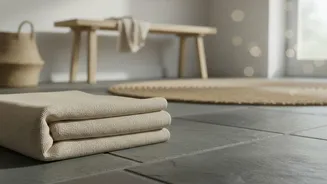
A consistent cleaning routine is the single most effective way to prevent paw problems during the monsoon. It takes only a few minutes but can save your dog from significant discomfort. The goal is simple: get the paws clean and, just as importantly, completely dry after every single walk. Set up a small cleaning station by your door with a mat, a designated 'paw towel' (microfiber works best for absorbency), and your cleaning supplies to make the process quick and easy.
Step 1: Wipe and Rinse
For most walks where the paws are just damp or slightly dirty, a thorough wipe-down is sufficient. Use a clean, absorbent towel to wipe each paw, making sure to gently clean between each toe and around the nail beds where moisture loves to hide. If you see mud or dirt, a simple rinse with lukewarm water is the next step. You can use a shallow bowl of water or a portable paw washer. Avoid using hot water, which can be uncomfortable, or harsh human soaps, which can irritate their skin.
Step 2: The Critical Drying Process
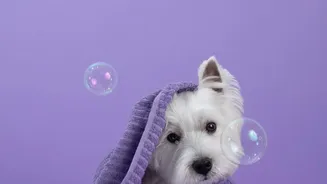
Cleaning is only half the battle; drying is non-negotiable. Trapped moisture is the primary cause of fungal and yeast infections. After wiping or rinsing, take a dry towel and thoroughly dry each paw. Gently squeeze the paw within the towel to absorb as much water as possible. Pay special attention to the spaces between the pads. For long-haired breeds, you might even consider using a hairdryer on a low, cool setting to ensure the area is completely dry, provided your dog is comfortable with it.
Pro-Tips for Extra Protection
For added prevention, especially for dogs with sensitive skin or a history of infections, a few extra steps can help. Keeping the fur between the paw pads trimmed short reduces the amount of moisture and debris that gets trapped. Using a vet-approved antifungal powder or spray can also offer a protective barrier in high-humidity conditions. You can also consider applying a thin layer of a dog-safe paw balm before walks to create a barrier against wetness and irritants.
When to See a Veterinarian
A good cleaning routine prevents most issues, but it's crucial to know the warning signs of an infection. If you notice persistent licking or chewing, redness, swelling, or a musty, 'cheesy' odour coming from the paws, it's time to call the vet. Other signs include discharge, crusty skin, or your dog limping or being reluctant to walk. Do not use human antifungal creams, as they can be toxic if your dog licks them off. A veterinarian can accurately diagnose the problem and prescribe the correct pet-safe medication.