



The End of an Era
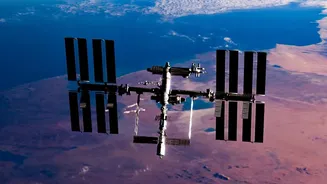
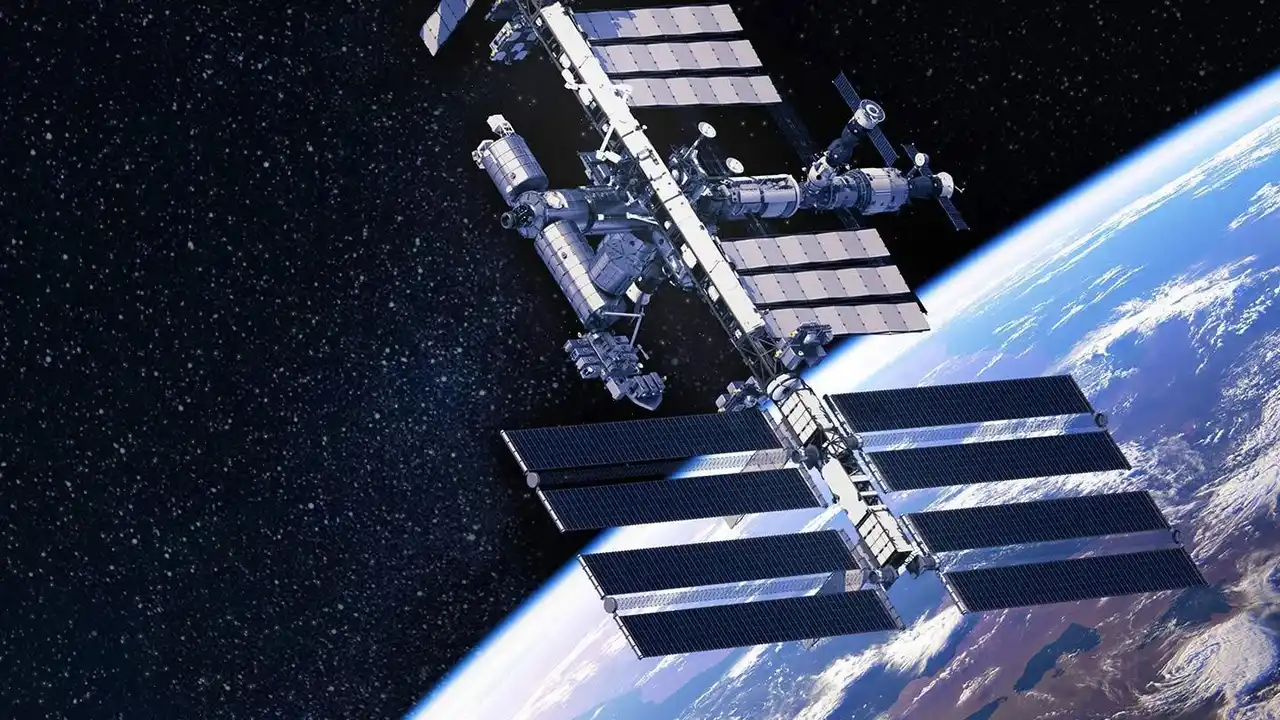
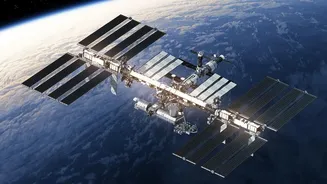
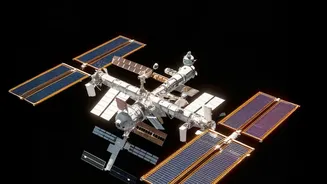
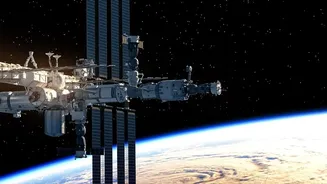
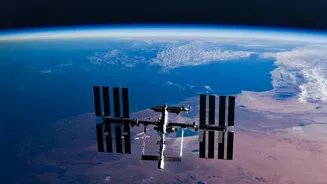
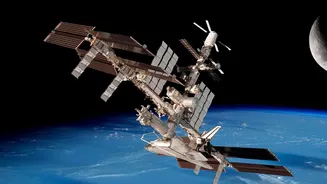
The ISS, a triumph of global cooperation, is showing its age. Launched in 1998, its oldest modules are now well past their initial design life. The station is succumbing to the harsh environment of space, facing issues like recurring small air leaks and
the natural wear from constant thermal cycling — the expansion and contraction caused by moving between searing sunlight and freezing shadow every 90 minutes. Maintaining the aging orbital laboratory is increasingly expensive, with annual operating costs for NASA alone running into billions of dollars. Rather than continue pouring funds into an aging platform, NASA plans to guide the station to a controlled splashdown in a remote part of the Pacific Ocean around 2030. This will free up critical resources for the agency's ambitious deep-space goals, including the Artemis missions to the Moon and Mars.
NASA's New Commercial Strategy
Instead of building a direct successor, NASA is pivoting its strategy. The agency plans to become just one of many customers for a fleet of privately owned and operated space stations in low-Earth orbit. Through its Commercial Low-Earth Orbit Destinations (CLD) program, NASA is investing hundreds of millions of dollars to stimulate the development of these new commercial outposts. The model is based on the success of previous programs where NASA hired private companies like SpaceX to deliver cargo and crew to the ISS, a move that saved money and spurred innovation. By becoming an "anchor tenant" on these future stations, NASA ensures its astronauts and researchers have continued access to a microgravity environment without the massive overhead of owning and operating the infrastructure itself.
Meet the Contenders
Several companies are now in a race to build the first commercial successor to the ISS. Axiom Space, which has already flown private astronaut missions to the station, is taking a unique approach. It plans to attach its first module to the ISS around 2027, test its systems, and later detach to become a free-flying independent station before the ISS is retired. Another key player is Vast, which is building a single-module station called Haven-1, targeting a launch as early as 2027. A partnership between Blue Origin and Sierra Space is developing Orbital Reef, envisioned as a "mixed-use business park" in space capable of hosting science, tourism, and manufacturing. Finally, Starlab, a joint venture from Voyager Space and Airbus, is focused on creating a state-of-the-art orbital laboratory for global researchers.
The Business of Orbit
The success of these private stations depends on building a viable market beyond NASA. Their business models rely on attracting a diverse clientele, including foreign space agencies, private corporations for research and in-space manufacturing, and even wealthy space tourists. Axiom Space, for instance, has already demonstrated a market for private missions, with seats costing roughly $55 million. The challenge lies in creating services that are compelling enough to build a self-sustaining economy in orbit. These companies are not just selling space; they are offering access to a unique environment for innovation in fields like pharmaceuticals, materials science, and technology development. Securing funding is a major hurdle, with companies like Axiom and Vast announcing significant private investment rounds in early 2026 to fuel their ambitious projects.
A New Chapter in Space
The transition from the ISS to a commercial ecosystem represents a fundamental shift in how humanity operates in space. If successful, it could create a competitive, dynamic marketplace in low-Earth orbit, driving down costs and increasing access for a wider range of users. However, the timeline is tight. The key challenge is ensuring at least one of these private stations is fully operational before the ISS takes its final plunge, to avoid a gap in America's continuous human presence in orbit. This move also comes as China's Tiangong space station is already operational and expanding its international partnerships, adding a layer of geopolitical urgency to the commercial race. The next few years will be critical in determining whether this new business-driven model for space exploration can truly take flight.