





A Tale of Two Forests
Not all forests are created equal, especially when it comes to facing a changing climate. Recent studies reveal a crucial distinction in how India’s different forest types are responding to shifts in rainfall patterns. The nation’s forests can be broadly
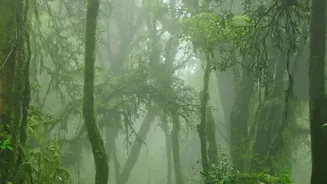
categorised into two major types: wet evergreen forests, like those in the Western Ghats and the Northeast, and dry deciduous forests, which dominate large parts of Central India. While it is easy to assume that any change in the monsoon would affect all forests similarly, the science points to a more complex reality. The key lies in their fundamental structures and the climate they are adapted to. Wet forests thrive on consistent, heavy rainfall, whereas dry forests are built to withstand long periods of little to no water. This inherent difference is now defining their future.
The Unexpected Resilience of Dry Forests
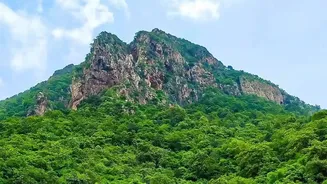
One might think that dry forests, already operating closer to their moisture limits, would be the most vulnerable to erratic rainfall. However, some research suggests a surprising degree of resilience. Studies in Central India show that while these ecosystems are indeed stressed by rising temperatures and prolonged droughts, they also possess adaptations to cope with variability. For instance, many deciduous trees have evolved to shed their leaves during dry spells to conserve water, a mechanism that helps them endure inconsistent monsoons. Some analyses have even pointed to a 'greening' trend in parts of Central India, possibly due to a combination of factors including atmospheric carbon dioxide levels and specific rainfall patterns. However, this resilience is not absolute. The same studies warn that extreme events, such as prolonged droughts and increased frequency of forest fires fueled by higher temperatures, pose a significant threat that could push these ecosystems beyond their breaking point.
The Fragility of Our Wet Evergreen Havens
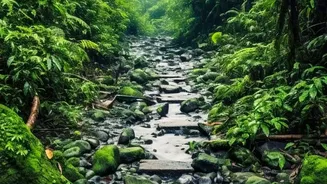
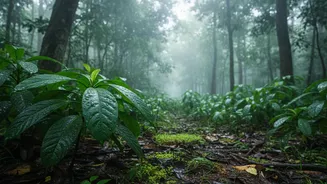
In stark contrast, India's wet evergreen forests, particularly the biodiversity hotspots in the Western Ghats, appear to be more fragile. These ecosystems are not just dependent on the total volume of rain but are exquisitely tuned to its timing and intensity. Research indicates that changes in the monsoon, such as a shorter, more intense rainy season or shifts in the onset of rains, can cause significant stress. Studies focusing on the Western Ghats have noted that rising temperatures combined with drying trends could be particularly detrimental for tropical trees. One study points to a troubling trend where rainfall has decreased in the southern Western Ghats while increasing in the northern parts, altering the delicate balance that sustains these ancient forests. Furthermore, some palaeoclimatic research suggests that periods of very high carbon dioxide in the distant past led to reduced rainfall near the equator, causing a shift from evergreen to deciduous forests, raising concerns about the long-term future of these vital ecosystems.
Why This Divergence Matters for India
The different responses of our forests to climate change have profound implications for the country. The Western Ghats are not just home to a vast number of unique species; they are also the origin point for many of peninsular India's rivers. The health of these forests is directly linked to water security for millions. Any degradation or shift in forest type could alter water flow, affecting agriculture and drinking water supplies downstream. Similarly, the forests of Central India are crucial carbon sinks and support the livelihoods of numerous forest-dwelling communities. An increase in forest fires or a decline in forest health threatens this balance. Understanding this regional divergence is critical; a one-size-fits-all conservation policy will not work. Protecting the wet forests of the Ghats may require a focus on preserving the specific seasonal rainfall patterns they depend on, while strategies in Central India might need to prioritise fire management and mitigating drought stress.