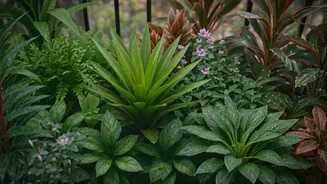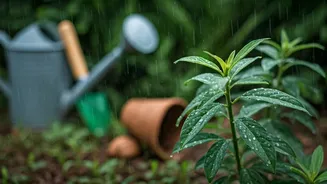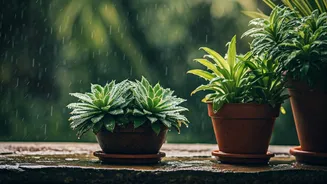



Choose Your Plants Wisely
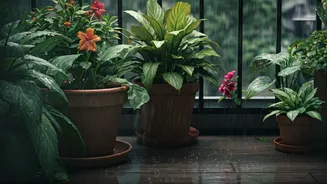
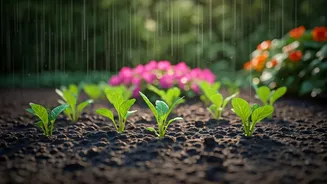
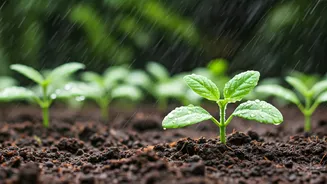
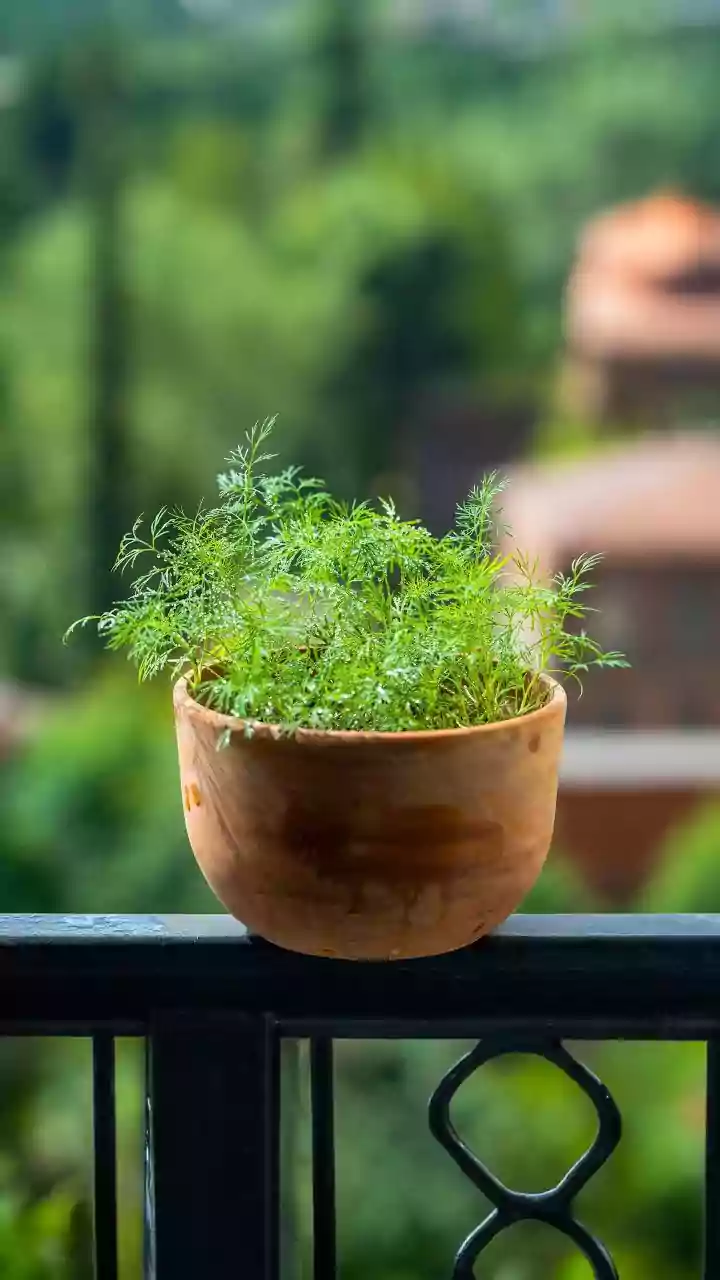
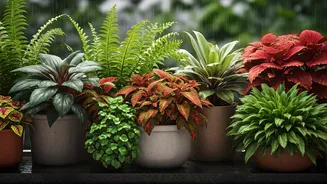
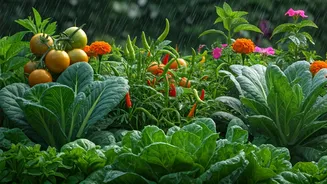
Not all plants enjoy the heavy downpour of the monsoon. For beginners, it's best to start with plants that thrive in high humidity and wet conditions. Vegetables like chillies, cucumber, gourds (lauki, karela), beans, and okra are excellent choices. If
you fancy flowers, monsoon is the perfect time for hibiscus, jasmine, and marigolds. Leafy greens like spinach and amaranth also grow vigorously during this season. Starting with these resilient varieties will build your confidence as you see them flourish with minimal fuss.
Prioritise Drainage Above All
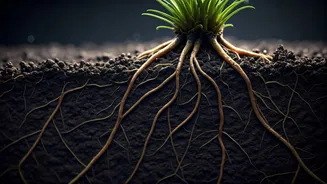
The number one mistake beginners make during the monsoon is letting their plants drown. Excessive water leads to waterlogging, which suffocates roots and causes them to rot. Ensure your pots have plenty of drainage holes at the bottom. You can even add a layer of gravel or broken pot pieces before adding soil to improve water flow. For garden beds, creating raised platforms can prevent water from pooling. A well-draining soil mix is also crucial. A simple mix for beginners can include garden soil, compost, and a material like cocopeat or sand to keep it light and prevent compaction.
Master the Art of Watering
It might sound strange to water your plants when it's raining, but it's about watering correctly, not frequently. The rain will do most of the work, so your job is to check if it's enough. Overwatering is a major cause of plant death. Before reaching for the watering can, stick your finger about an inch into the soil. If it feels moist, leave it be. Only water when the top layer feels dry. If your pots are out in heavy rain, you might not need to water them at all. Move sensitive or indoor plants under a shade to protect them from a direct deluge.
Guard Against Pests and Diseases
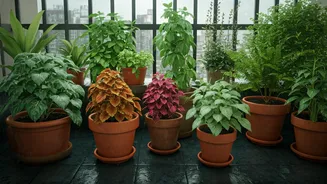
The damp, humid weather of the monsoon is a breeding ground for pests like slugs, snails, and mealybugs, as well as fungal diseases like powdery mildew and root rot. Inspect your plants regularly, especially the undersides of leaves, for any signs of trouble. To prevent issues, ensure good air circulation by not overcrowding your plants. Pruning dead or yellowing leaves also helps. For a beginner-friendly and organic solution, a simple spray of neem oil can help deter many common pests and fungi.
Provide Support and Proper Nutrition
Strong winds and heavy rain can batter your plants, breaking delicate stems. For climbers like gourds and beans, providing a trellis or stake for support is essential from the beginning. This keeps the plant stable and fruits off the wet ground. Additionally, constant rain can wash away essential nutrients from the soil, a process known as leaching. To counteract this, you can enrich your soil with compost or manure before the season starts. This provides a slow release of nutrients, keeping your plants healthy and strong throughout the monsoon.
Prune for Health and Growth
Pruning is not just for looks; it’s vital for plant health, especially during the monsoon. Regularly trimming your plants helps improve air circulation around the leaves and stems, which is one of the best ways to reduce the risk of fungal infections that thrive in damp conditions. Snip away any yellowing, dead, or diseased leaves and branches as soon as you spot them. This not only cleans up the plant but also encourages it to put energy into producing new, healthy shoots and leaves, resulting in a fuller, more vibrant plant.