



The End of the One-Wear Wonder
Indian calendars are packed with moments of celebration—weddings, festivals, and grand parties. Traditionally, these events have called for equally grand, and often specific, attire. Think of the heavily embroidered lehenga for a wedding or a glittering
saree for Diwali. For years, the unspoken rule was 'don't repeat'. This culture of single-use celebration wear has led to closets full of beautiful but neglected garments, representing not just a significant financial outlay but also a considerable environmental cost. The fast-fashion cycle has only accelerated this, tempting consumers with trendy, low-quality pieces that aren't designed to last. Today, however, a growing number of shoppers are questioning this disposable approach, seeking pieces that offer both glamour and longevity.
The Rise of 'Cost-Per-Wear' Logic
Enter the concept of 'cost-per-wear' (CPW), a simple but powerful calculation that is changing how we think about fashion purchases. The formula is straightforward: divide the total cost of an item by the number of times you wear it. A ₹15,000 lehenga worn once has a CPW of ₹15,000. But if you wear that same lehenga four times, its CPW drops to ₹3,750. Suddenly, a higher-priced, better-quality item that can be styled in multiple ways becomes a more sensible financial decision than a cheaper, trend-specific outfit destined for the back of the cupboard. This investment mindset encourages us to prioritise quality, versatility, and timeless design over the fleeting thrill of a one-night-only outfit.
What Makes an Outfit Rewearable?
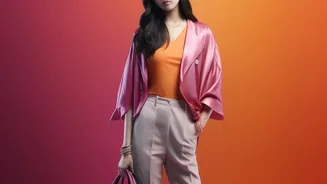
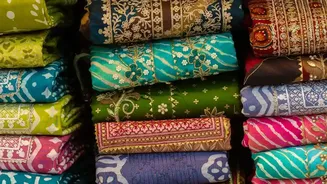
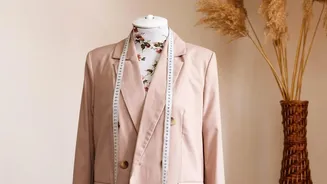
The key to building a rewearable occasion wardrobe lies in choosing the right pieces. It’s not about avoiding embellishment, but about being strategic. Designers and brands are responding with versatile creations. Look for ethnic sets that can be broken up and styled as separates. A heavy lehenga skirt can be paired with a simple silk shirt or even a crisp white blouse for a different event. A beautifully embroidered kurta can be worn with its matching trousers for a wedding, and then with a pair of jeans for a festive lunch. Detachable elements like capes, jackets, or embellished belts also add immense value, allowing you to alter the formality of an outfit instantly. Opting for timeless fabrics like handloom silks, cottons, and Chanderi ensures the garment's elegance and durability for years to come.
Styling Your Way to a New Look
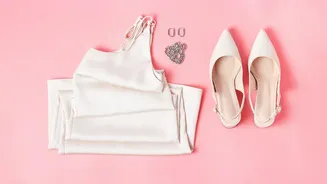
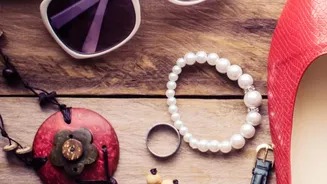
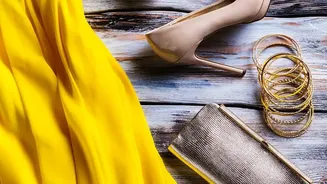
Rewearability is as much about styling as it is about the garment itself. The same outfit can look entirely different with a few clever tweaks. Swapping out a heavy, embroidered dupatta for a lighter, plain one can instantly make a suit feel more casual. A change in accessories can have a massive impact; dress an anarkali down with minimal silver jewellery and flat juttis, or dress it up for a reception with statement polki earrings and heels. Even hair and makeup can redefine a look. A sleek high ponytail and a bold lip can lend a contemporary edge to a traditional saree that was previously worn with a classic bun and softer makeup. Don't be afraid to experiment with layering—a denim jacket over a kurta or a chic belt over a dress can create a fresh, Indo-western fusion.