




First, Understand Your Home's Light
Before you buy a single plant, take a moment to become a light detective in your own home. Not all light is created equal. 'Bright, direct light' refers to spots that receive at least five to six hours of direct sun, like a south or west-facing windowsill.
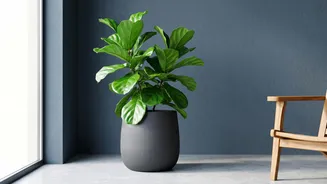
'Bright, indirect light' is found a few feet away from these windows, where the sun doesn't hit the leaves directly but the room is still well-lit. 'Low light' refers to corners far from windows, or rooms with north-facing windows, that receive no direct sun. An easy way to check is the 'shadow test': hold your hand up. A sharp, clear shadow means bright light. A softer, fuzzy shadow indicates medium light. A faint shadow, or none at all, means you have a low-light area. Understanding this is the first step to success.
Best Plants for Low-Light Corners
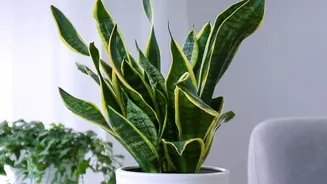
Many apartments and homes have corners that feel too dim for a plant, but several species are perfectly happy in these shadier spots. The Snake Plant (Sansevieria trifasciata) is almost indestructible, tolerating low light and infrequent watering, making it ideal for beginners or busy people. Similarly, the ZZ Plant (Zamioculcas zamiifolia) is a champion of neglect, with glossy, dark leaves that look elegant even when ignored. For a trailing effect from a shelf or hanging basket, the Pothos (Epipremnum aureum), often called a Money Plant in India, is incredibly versatile and adapts well to lower light. Finally, the Peace Lily (Spathiphyllum) offers the bonus of elegant white blooms in shady conditions and has the helpful habit of drooping when it needs water, taking the guesswork out of its care.
Perfect Plants for Sunny Windows
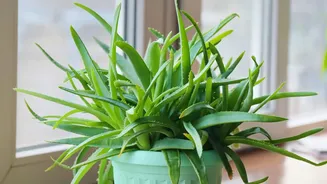
If you have a window that gets blasted with sun, don't shy away from it. Embrace it with plants that love to bask in the rays. Succulents, like the Jade Plant (Crassula ovata) and Aloe Vera, are classic sun-lovers. Originally from arid climates, they need bright, sunny conditions to thrive and are very drought-tolerant. Aloe Vera is best placed near a south or west-facing window where it can soak up the light. For a bold, leafy statement, the Croton is a fantastic choice, known for its vibrant, multi-coloured foliage that becomes more intense with more light. For a touch of the tropics, an Areca Palm (Dypsis lutescens) can handle bright spots and adds a feathery, elegant texture to a room, though it prefers bright, indirect light to avoid scorching.
Beyond Light: Other Placement Factors
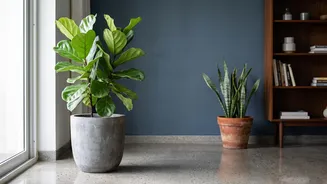
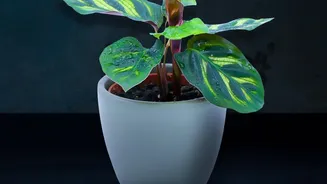
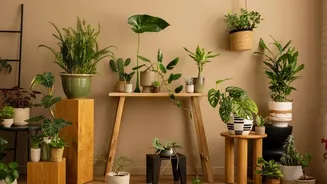
While light is the most critical factor, a few other placement details can make a big difference. Avoid placing plants in the direct path of an air conditioner vent or a heater, as sudden drafts and temperature swings can cause stress. Plants that love humidity, like ferns and Calatheas, will feel most at home in a bathroom where they can benefit from the steam. Also, consider the plant's growth habit. A trailing Pothos is perfect for a high shelf, while an upright Snake Plant fits neatly into a tight corner. Finally, avoid overcrowding your plants; good air circulation is essential to prevent pests and disease. Giving each plant its own space ensures it can access the light and resources it needs to grow strong and healthy.