







The Science of Damp Rainy-Season Smells
That distinct 'monsoon smell' inside your home is more than just dampness; it's the result of microscopic life thriving in high humidity. The rainy season causes indoor humidity levels to spike, creating the perfect breeding ground for mould and mildew.
These fungi are always present as tiny spores in the air, but they only begin to grow and multiply when they land on a surface with sufficient moisture. As they grow on walls, in closets, on furniture, or even within fabrics, they release gases known as microbial volatile organic compounds (MVOCs). It is these compounds that our noses detect as a musty, earthy, or stale odour. Essentially, what you are smelling is the byproduct of mould and mildew activity, which is why simply using air fresheners often fails to solve the problem.
More Than Just an Odour: Health Concerns
While the smell is an annoyance, the presence of active mould and mildew can pose health risks. Exposure to mould spores can trigger allergic reactions in sensitive individuals, with symptoms like sneezing, a runny nose, itchy eyes, and skin rashes. For people with asthma, inhaling these spores can lead to more severe reactions, including coughing, wheezing, and shortness of breath. Studies have even suggested a link between early childhood exposure to mould and an increased risk of developing asthma. Even for those without allergies, prolonged exposure can cause irritation to the eyes, nose, and throat. Therefore, controlling indoor moisture is not just about comfort, but also about maintaining a healthy living environment for your family.
Improve Ventilation and Air Circulation
One of the most effective strategies against indoor moisture is promoting good airflow. When the rain stops, even for a short while, open windows and doors to allow fresh air to circulate and push out the damp, stale air. Use exhaust fans in kitchens and bathrooms, especially while cooking or after a shower, to expel humid air directly outside. Ceiling fans and standing fans can also help improve air circulation throughout the house, preventing moisture from settling in one spot. Ensuring there is space between furniture and walls, and avoiding cluttered closets, can also dramatically improve airflow in tight spaces.
Actively Reduce Indoor Humidity
Beyond ventilation, you can take active steps to pull moisture from the air. Air conditioners are effective at dehumidifying as they cool, so running yours on 'dry mode' for an hour can significantly reduce stickiness. For persistent issues, especially in basements or poorly ventilated rooms, a dedicated dehumidifier is a powerful tool. The goal is to keep indoor humidity levels between 30% and 50%, a range that makes it difficult for mould to thrive. It is also crucial to fix any leaks in roofs, walls, or plumbing, as these are direct entry points for water that can lead to persistent dampness and odour.
Use Natural Moisture and Odour Absorbers
Several household items can act as natural, low-cost dehumidifiers and deodorisers. Placing open boxes of baking soda in closets and rooms can absorb both moisture and bad smells. Activated charcoal is another excellent option, known for its ability to purify the air and absorb moisture. You can also place bowls of coarse salt or even chalk sticks in damp corners or cupboards; they will draw moisture from the air. For wardrobes, hanging small cloth bags filled with dried neem leaves or camphor not only absorbs dampness but also helps protect clothes. Exposing clothes, bedding, and cushions to direct sunlight whenever possible is a highly effective way to kill mould spores and eliminate musty smells naturally.
Naturally Freshen Your Space
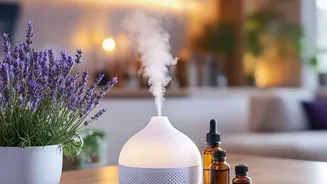
Once you have addressed the moisture problem at its source, you can use natural air fresheners to tackle any lingering odours. A bowl of white vinegar left in a room for a few hours can neutralize stale smells. Placing ground coffee in an open container is also surprisingly effective at absorbing unpleasant scents. For a more pleasant fragrance, consider creating your own potpourri with dried citrus peels, cloves, and cinnamon sticks, or use an essential oil diffuser with scents like lavender, tea tree, or eucalyptus, which have natural anti-fungal properties.