








In India’s bustling metros, a quiet revolution is taking place. Shoppers are looking beyond the air-conditioned malls, seeking something more authentic. Local bazaars are making a comeback, driven by a new wave of conscious consumerism.
A Shift Away from Fast Fashion
For years, the
convenience of shopping malls and the allure of global brands defined the urban retail experience. However, a growing number of consumers, particularly younger millennials and Gen Z, are now questioning the impact of their purchases. This has led to a palpable disillusionment with fast fashion and mass-produced goods. This new generation of buyers is more informed and intentional, seeking transparency and ethical practices from the brands they support. The impersonal nature of large retail chains stands in stark contrast to the personal connections offered by local markets, where shoppers can often interact directly with the makers.
Redefining 'Sustainable' Shopping
The term 'sustainable' in the context of these bazaars goes far beyond just eco-friendly materials. It encompasses a broader philosophy of 'conscious consumerism'. This includes supporting local artisans and preserving traditional crafts, which faced decline due to mass manufacturing. Many of these markets empower small-scale entrepreneurs and provide a platform for handmade products, ensuring that revenue directly benefits the creators and their communities. By choosing to buy local, consumers also reduce their carbon footprint associated with shipping long-distance goods and support a more circular economy.
More Than a Market, a Community Hub
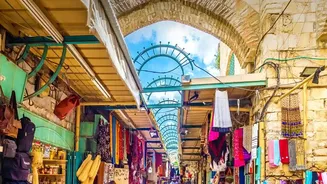
Unlike a quick trip to the mall, a visit to a local bazaar is often a complete experience. Cities like Delhi, Mumbai, and Bengaluru are seeing a rise in curated flea markets, artisan collectives, and farmers' markets that double as weekend destinations. These spaces are not just for shopping; they are vibrant hubs for community engagement. Organisers frequently include live music, food stalls, and workshops, creating an atmosphere that encourages visitors to linger, connect with creators, and meet like-minded people. This social dimension transforms a simple shopping trip into a meaningful cultural outing.
The Economic Ripple Effect
The resurgence of local bazaars has a significant economic impact. It fosters a thriving ecosystem for small and independent businesses that may not have the capital for a permanent high-street storefront. The handicrafts sector in India, for instance, employs over seven million artisans, and these markets provide them with crucial, direct access to urban consumers. This trend empowers individual creators, from textile weavers to pottery makers, allowing them to earn fair wages and sustain their craft for future generations. Government initiatives supporting local production have also helped bolster this movement, instilling a sense of national pride in purchasing locally made goods.