
The Golden Rule of Watering
The number one mistake new plant parents make is overwatering. More houseplants die from drowning than from thirst. Roots need oxygen as well as water, and constantly wet soil leads to root rot, which can quickly kill a plant. Instead of watering on a fixed
schedule, check the soil first. The 'finger test' is foolproof: stick your finger about two inches into the soil. If it feels dry, it's time to water. If it feels moist, wait another day or two and check again. When you do water, do it thoroughly. Pour water slowly and evenly until it begins to drain from the bottom of the pot. After about 30 minutes, dump any excess water from the saucer to ensure the roots aren't sitting in a puddle.
Let There Be (The Right) Light
All plants need light for photosynthesis, but not all light is equal. Placing a plant in the wrong spot is a common cause of failure. Indoor light is much dimmer than our eyes perceive it to be. A spot that looks bright to you might be deep shade for a plant. Your home has different light zones: 'bright direct light' is several hours of direct sun, usually in a south-facing window. 'Bright indirect light' is a well-lit spot where the sun's rays don't hit the leaves directly. 'Medium' and 'low' light are further from windows. Most tropical houseplants thrive in bright, indirect light. Plants will tell you if they're unhappy; stretching and leaning towards a window means they need more light, while scorched or brown spots can mean too much direct sun. Rotate your plants every time you water so all sides get even exposure.
The Right Home for Your Plant
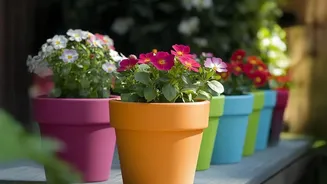
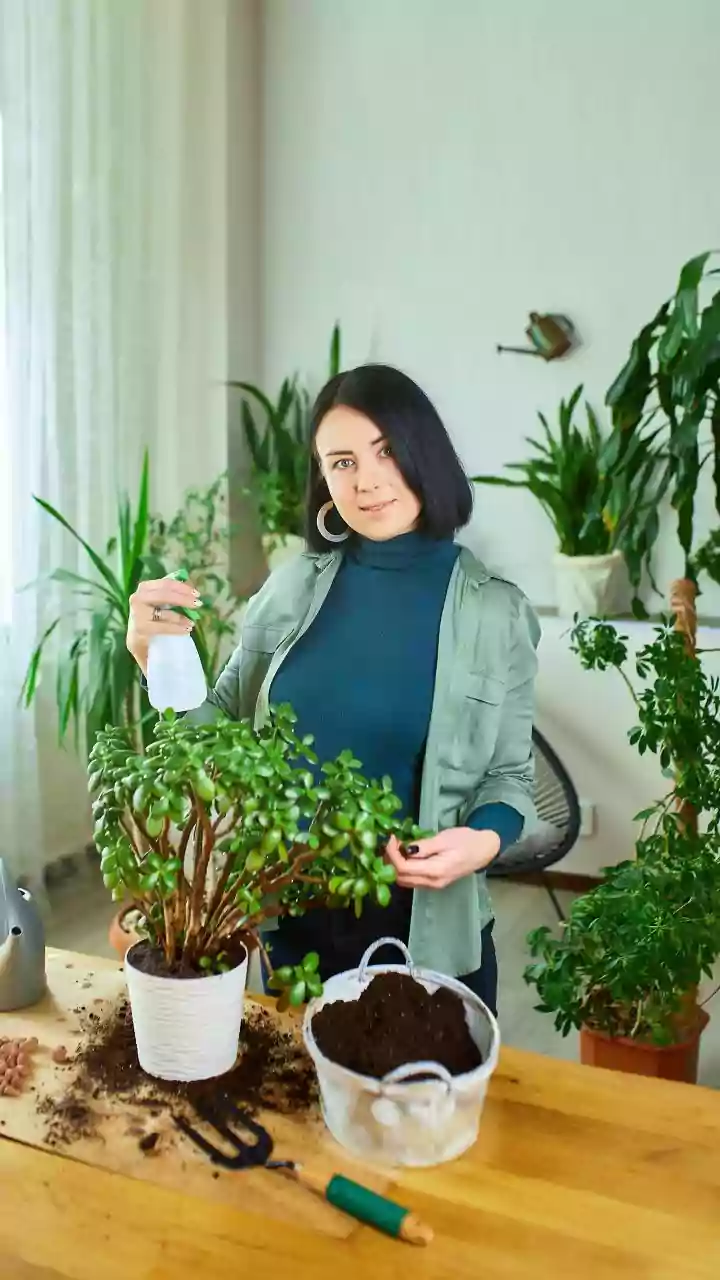
A plant's pot and soil are its foundation. The most critical feature of any pot is a drainage hole. Without it, excess water has nowhere to go, leading to soggy soil and suffocating roots. If you fall in love with a decorative pot that has no holes, use it as a 'cachepot'—keep your plant in a simple plastic nursery pot with drainage, and place that inside the decorative one. For soil, most common houseplants do well in a quality all-purpose potting mix. These mixes are designed to hold moisture while also allowing for good drainage. For succulents and cacti, use a special mix with more sand or perlite, as they need soil that dries out quickly. Adding perlite to any potting mix is a great way to improve aeration and drainage.
A Simple Guide to Feeding
Fertilizer is plant food, providing the nutrients that get depleted from potting soil over time. For beginners, the process can seem intimidating, but it doesn't have to be. Over-fertilizing can burn a plant's roots, so less is often more. A balanced, all-purpose liquid fertilizer is a great starting point for most leafy houseplants. The general rule is to fertilize more often during the growing season (spring and summer) and less in the dormant season (autumn and winter). A common schedule is to feed every two to four weeks in the warmer months and cut back to once a month or less when growth slows. Always dilute the fertilizer according to the package directions and apply it to soil that is already moist to avoid burning the roots.
Dealing With Unwanted Guests
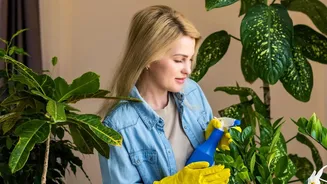
Discovering pests on your beloved plant can be disheartening, but quick action can save it. The most common indoor pests, like fungus gnats and spider mites, often appear when a plant is stressed. Fungus gnats, which look like tiny flies buzzing around the soil, are a classic sign of overwatering. Allowing the top layer of soil to dry out between waterings is the best way to deter them. Other pests may cause discolored spots or fine webbing on leaves. The first step is to isolate the affected plant to prevent pests from spreading. For many common pests, a simple solution of mild dish soap and water sprayed on the leaves can be effective. Regularly wiping down leaves with a damp cloth not only keeps them looking shiny and clean but also helps you spot and remove any pests before they become a major problem.