


Your First Defence: The Right Potting Mix
The secret to preventing root rot begins before you even place a plant in its pot. Standard garden soil is often too dense for containers, especially during the monsoon. It compacts easily, squeezing out the air pockets that roots need to breathe and trapping
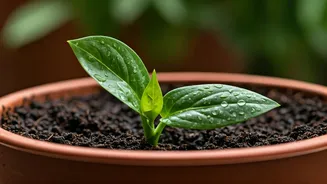
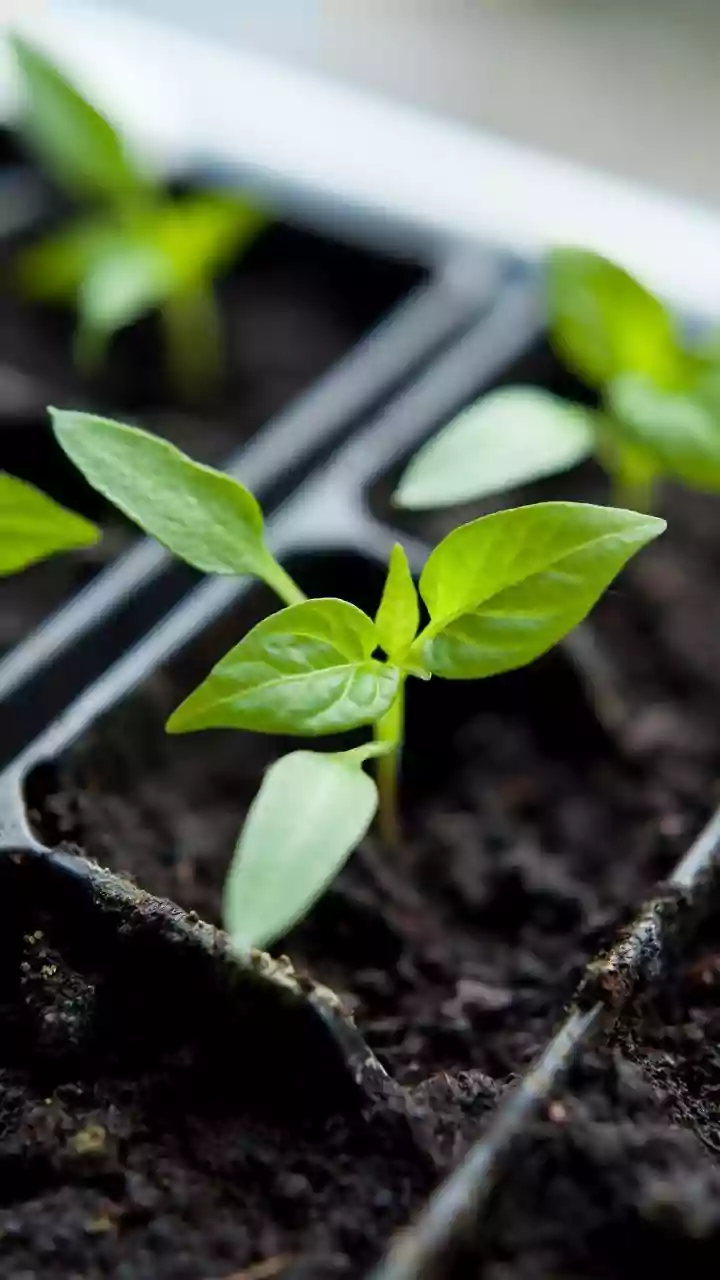
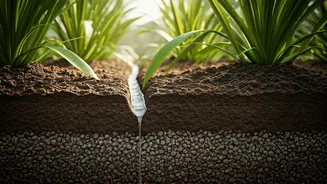
excess water. The ideal monsoon potting mix is light, airy, and drains quickly. Create a blend using equal parts garden soil, an aeration material like perlite or coarse sand, and organic compost. For an even lighter mix perfect for our humid climate, consider adding cocopeat, which retains moisture without becoming waterlogged. A handful of neem cake powder mixed in can also provide a natural, preventative antifungal barrier.
Choose Your Pot Wisely
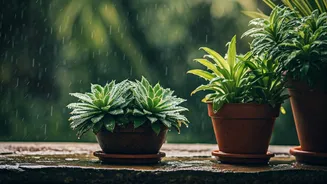
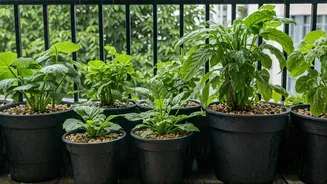
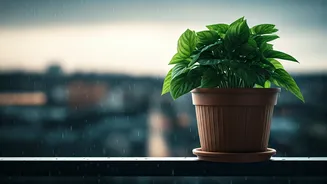
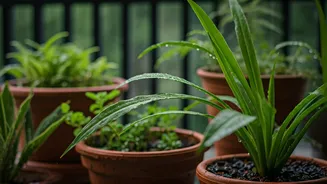
Not all pots are created equal when it comes to monsoon survival. The most critical feature is drainage holes—and plenty of them. A single hole can easily get clogged. Before the rains begin, ensure your pots have multiple, clear openings for water to escape. Terracotta or clay pots are excellent choices as their porous nature allows soil to dry out faster. If you use plastic pots, ensure they have sufficient drainage. A common mistake is allowing pots to sit in saucers filled with water; during the monsoon, it's best to remove them entirely to avoid creating a permanent swamp for your plant's roots.
Elevate to Aerate
One of the simplest yet most effective secrets is to lift your pots off the ground. When a pot sits flat on a balcony floor, water can get trapped underneath, blocking drainage holes and keeping the base of the pot perpetually wet. Elevating your containers by just an inch or two makes a massive difference. You don't need fancy equipment; simple bricks, flat stones, or dedicated 'pot feet' work perfectly. This small gap allows excess water to drain away freely and improves air circulation around the pot, helping the soil dry more evenly after a downpour.
Rethink Your Watering Schedule
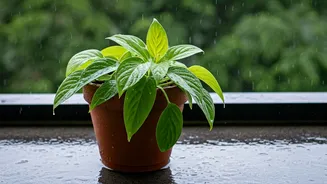
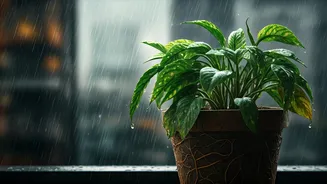
During the monsoon, your summer watering routine is redundant. The air is humid, and frequent rains often provide more than enough moisture. Overwatering is the primary cause of root rot, so it's crucial to adjust your habits. Before you even think about watering, check the soil. Stick your finger about two inches deep; if the soil feels moist, leave it alone. Let the rain do its job, and only provide a drink when the soil genuinely starts to dry out. Remember, roots need oxygen just as much as they need water, and constantly saturated soil suffocates them.
Strategic Shelter and Airflow
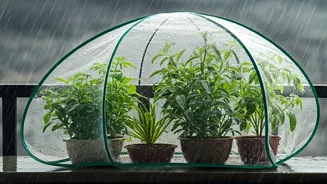
While rain is good, torrential downpours can batter plants and saturate pots in minutes. If possible, group pots together in a sheltered area, like against a wall or under an overhang, to protect them from the heaviest rain and wind. At the same time, don't crowd them. Good air circulation is vital to help foliage and soil surfaces dry out, reducing the risk of fungal diseases that thrive in damp, stagnant conditions. Spacing your plants out allows the breeze to pass through, which is one of nature’s best defences against rot and mildew.
Know the Warning Signs
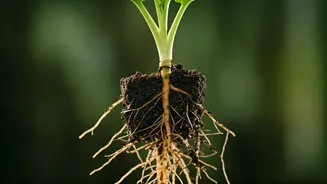
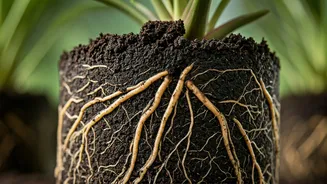
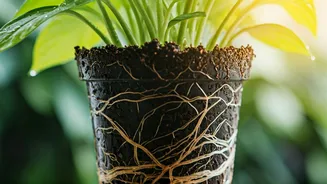
Early detection can save a plant. A common mistake is to assume a wilting plant needs more water, but during the monsoon, wilting despite wet soil is a classic sign of root rot. The distressed roots can no longer absorb water and nutrients effectively. Other symptoms include yellowing leaves, stunted growth, and a foul, musty smell coming from the soil. If you suspect a problem, gently remove the plant from the pot and inspect the roots. Healthy roots are typically white and firm, while rotting roots will be brown, black, and mushy to the touch.