






The Gold Standard We All Know
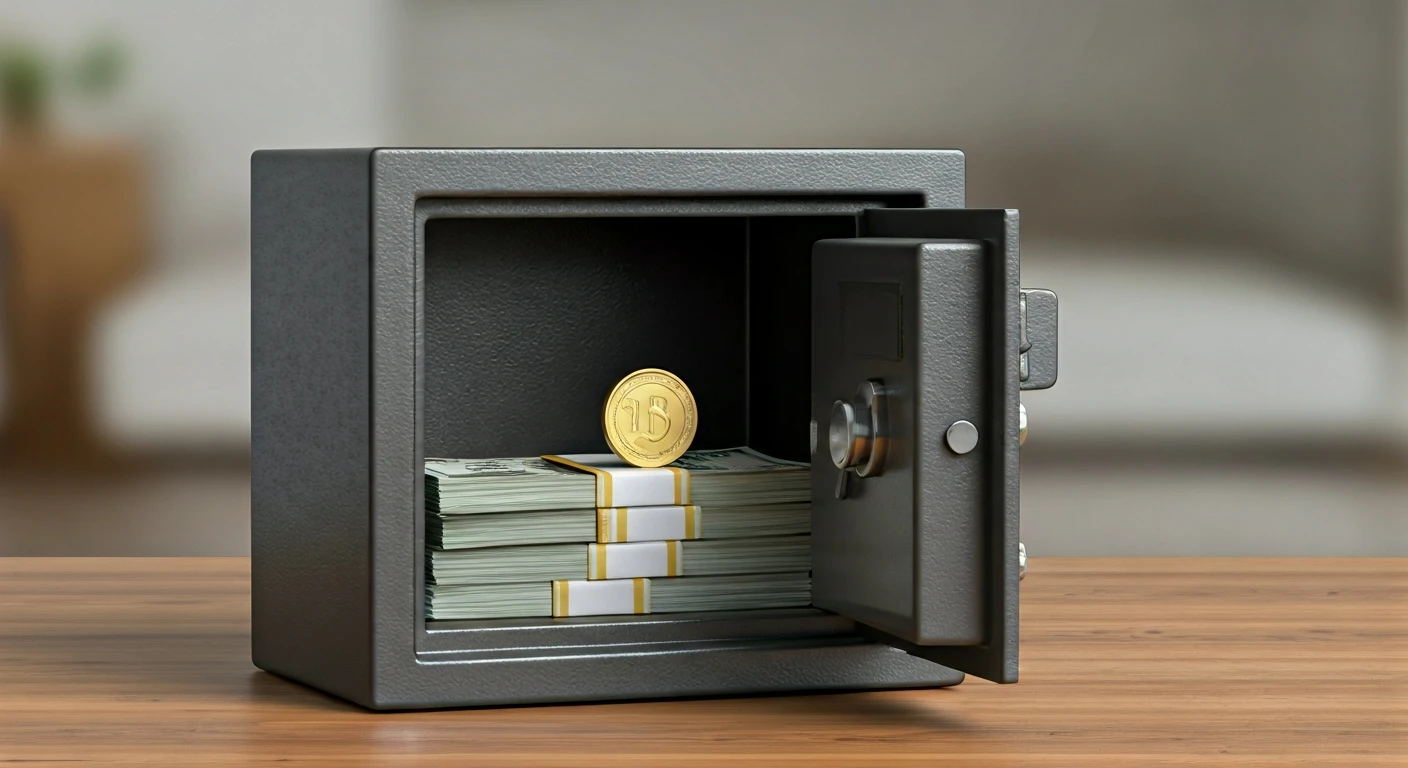
Let’s start with the basics. For years, financial advisors have preached the gospel of the emergency fund: a stash of cash set aside to cover three to six months of essential living expenses. This includes your rent or EMI, utilities, groceries, transportation,
and insurance premiums. The logic is sound. If you face a sudden car repair, an unexpected medical bill, or a leaky roof, this fund is your financial fire extinguisher. It prevents you from having to liquidate investments at a bad time or, worse, take on high-interest debt from a credit card or personal loan. Having this buffer is the bedrock of financial stability, and if you’ve built one, you are already ahead of the curve. It’s a crucial first step toward financial freedom, but it's not the final one.
Where the Standard Advice Falls Short
The problem is that this traditional model is designed primarily to handle one-off, unexpected *expenses*. It assumes your income stream remains stable. But what happens when the emergency isn't a bill, but a sudden and complete loss of your primary source of income? A layoff, a prolonged illness that prevents you from working, or a family crisis that requires you to step away from your job—these are not single expenses. These are income catastrophes. In these scenarios, a six-month fund, while helpful, can start to feel frighteningly small. You’re not just paying for one surprise; you are replacing your entire monthly salary. This is where the conventional wisdom reveals its biggest weakness. We plan for the cost of a flat tyre, but not for the possibility that the whole car might be out of commission for a year.
The Missing Piece: Your Income Shield
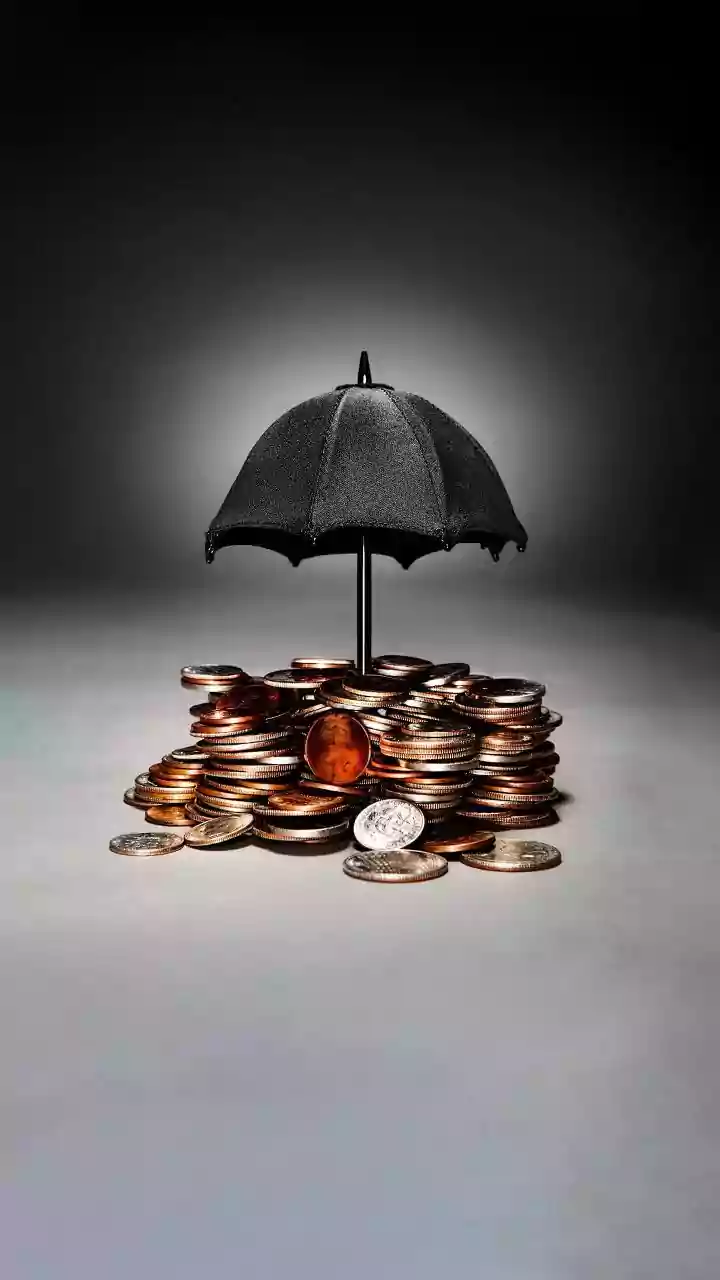
The single biggest thing missing from most emergency funds is a realistic plan for prolonged income loss. Your real safety net isn’t just cash; it’s a two-part system. Part one is your liquid cash fund for immediate expenses. Part two, the missing piece, is an 'income shield'. This shield is built from two components: a larger cash reserve for those in less stable professions, and a robust insurance portfolio. Specifically, we're talking about adequate health insurance that covers hospitalisation costs without wiping out your savings, and, critically, disability or critical illness insurance. These policies are designed to pay out a lump sum or a regular income if you are diagnosed with a serious ailment or are unable to work due to an accident. They don't just cover a medical bill; they replace the paycheque that the medical event threatens to take away.
Recalibrating Your Emergency Plan
So, how do you build this income shield? First, reassess your risk. If you are the sole earner with dependents, or if you work in a volatile industry like tech or startups, your 'six-month' fund should probably be closer to nine or twelve months. Second, conduct a thorough insurance audit. Don't just rely on your employer’s group health policy, which disappears if you lose the job. Secure a personal health insurance policy. Then, look into critical illness and personal accident policies. The premiums are often surprisingly affordable, especially when you’re younger, and they provide a level of protection that cash savings alone cannot. Think of the premiums not as an expense, but as an investment in guaranteeing your financial stability against the worst-case scenario. This combination of a larger cash buffer and targeted insurance is what creates a truly resilient financial plan.
Keeping Your Fund Smart and Accessible
Finally, where you keep this fund matters. Your emergency cash should not be in a low-interest savings account earning next to nothing, nor should it be in volatile equities. The ideal place is a high-yield savings account or ultra-short-term liquid funds. These instruments offer better returns than a standard savings account, helping your fund keep pace with inflation, but are also highly liquid, meaning you can access your money within a day or two. This ensures your money is working for you but is available the moment an emergency strikes. The goal is accessibility without being *too* easy to dip into for non-emergencies, striking the perfect balance between safety and utility.