






The Big Reveal: A Modern Icon
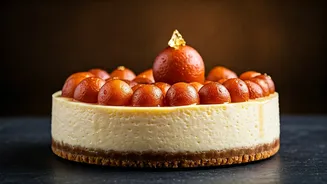
The dessert that continues to dominate menus and conversations is the Gulab Jamun Cheesecake. At first, the combination sounds almost audacious. Take the beloved, syrupy, melt-in-your-mouth gulab jamun—a cornerstone of Indian celebrations—and embed it
within the creamy, tangy, decadent world of a Western-style cheesecake. It’s a culinary culture clash that, against all odds, results in perfect harmony. This isn't a fleeting trend; it's a dish that arrived a number of years ago and has since cemented its place as a modern classic. It appears in upscale restaurants in Mumbai and Delhi, trendy cafes in Bengaluru, and is even a popular choice for contemporary Indian weddings. Its staying power is a testament to its brilliant conception.
Why This Combination Just Works
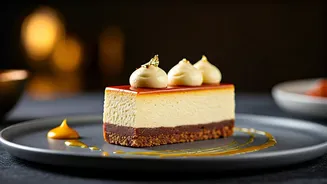
The genius of the Gulab Jamun Cheesecake lies in its complementary textures and flavours. A classic cheesecake offers a rich, dense creaminess with a subtle tang from the cream cheese, all sitting on a crunchy biscuit base. Now, introduce the gulab jamun. These soft, spongy dumplings, soaked in a fragrant sugar syrup (often scented with rosewater or cardamom), are studded throughout the cheesecake filling. When you take a bite, you get the smooth coolness of the cheesecake, followed by the familiar, comforting sweetness and yielding texture of the gulab jamun. The syrup from the jamuns subtly infuses the surrounding cream cheese, creating a flavour profile that is both novel and deeply nostalgic. The biscuit base provides a much-needed textural contrast, preventing the dessert from becoming overly soft. It’s a masterclass in balancing sweet with tangy, and creamy with crunchy.
From Bold Experiment to Mainstream Staple
Like many great inventions, the exact origin of the Gulab Jamun Cheesecake is debated, with several chefs and restaurants laying claim to its creation or popularisation. What’s clear is that it emerged from the kitchens of modern Indian restaurants seeking to innovate while honouring tradition. In the early 2010s, as chefs became more confident in reinterpreting Indian cuisine, they began to deconstruct and reimagine classic dishes. The cheesecake format provided a perfect canvas. It was a familiar and much-loved dessert format for urban Indians, making the fusion concept accessible. Initially a novelty item, its widespread appeal on social media and through word-of-mouth propelled it into the mainstream. Restaurants saw its popularity and quickly added it to their menus, solidifying its status. It stopped being an experiment and became an expectation.
A Symbol of New Culinary Confidence
More than just a delicious sweet, the Gulab Jamun Cheesecake represents a shift in India’s culinary identity. For decades, 'authentic' Indian food was defined by sticking rigidly to tradition. Fusion was often looked down upon as gimmicky. But this dessert symbolises a new era of confidence. It says that Indian flavours are not just to be preserved in amber but can be a dynamic, playful, and central part of global culinary conversations. It shows that it's possible to innovate without losing the soul of the original. The success of this dessert has paved the way for countless other creative pairings, from Rasmalai Tres Leches to Motichoor Ladoo Parfaits, fostering a vibrant and exciting dessert scene across the country. It’s a sweet reminder that tradition and modernity can coexist beautifully on the same plate.